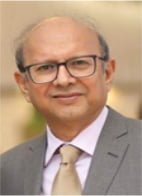
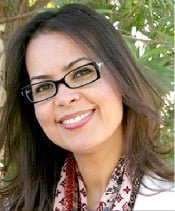
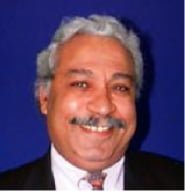
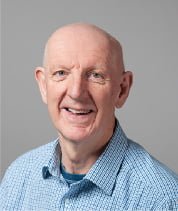
COMSTECH has arranged webinar to discuss challenges posed by climate change and growing economic development on Water Resources. Speaker will also delve into case study of Water resource management in Bangladesh.
Target Audience: This webinar is open to science policy makers, academicians, scientists and general public from all the member OIC states.
This is for the information to all that the online hands-on training workshop entitled “Deceptions in Psychology” will be conducted by Dr. Ansar Haroun (Professor of Forensic Psychiatry, USA).
The workshop will be organized by Department of Psychology, University of Karachi in collaboration with Sindh Innovation, Research, and Education Network (SIREN) as per following schedule:
Dates: September 19 – October 10, 2020
Days:Every Saturday
Time: 06:00 PM – 07:00 PM
Registration fee: Free
Available Seats: 100
Registration last date: September 17, 2020
Kindly register online for the workshop using below link:
All registered participants can attend this online workshop through ZOOM video conferencing software (connection details will be shared through email to the shortlisted participants after the last date of registration).
Note: Successful participants will receive a digital certificate upon completion of the workshop.
WHO SHOULD ATTEND:
Individuals with Master in any field of Psychology are invited to attend this informative workshop.
COMSTECH has arranged a virtual seminar on Saline Agriculture -Solution to Global Food Security on 29th September 2020. This 2-hour seminar brings together a panel of distinguished scholars in the field of Soil salinity, soil health, water & irrigation, innovative crops, livestock and aquaculture, policy across the globe.Salinity posing increasing threat to global good security affecting soil and water contamination making it not suitable for drinking and agriculture. Farmers are unable to use their lands, which causes famine, poverty and social disruption. The world population is growing tremendously, and so is the demand for food. But the reality is that the amount of land suitable for agriculture continues to reduce. Large areas of agricultural lands are lost every day due to salinity, land that is much needed for food production to feed the growing world population and address the climate change threats. This event is open to science policy makers, academicians, students, scientists working in field of Agriculture from all the member OIC states
This event is part of continuous efforts of COMSTECH to promote sustainable agriculture and nutritious food security in the OIC region. COMSTECH has 2 active projects at the moment related to Agriculture.
Development of Regional Gene Banks for plant Genetic Resources
New Breeding Technologies for Food and Nutritional Security
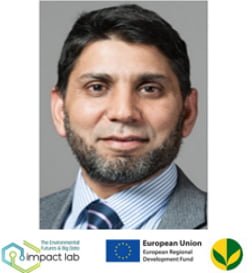
Chair: Dr Khalid Mahmood, UPSIGN/Rothamsted Research, UK
Khalid is an innovation lead at Impact Lab- Rothamsted Research in the UK and UPSIGN Agrifood lead. Rothamsted is the oldest agri research institute in the world. For over 177 years, we have been leading cutting-edge science and high-impact innovation. He is leading Agritech sector in Environment Futures Impact Lab with a consortium led by University of Exeter, Met Office, University of Plymouth. He is involved in developing new solutions to food security, sustainability, use of digital agriculture including IoT and data visualization. He is very keen in adopting interdisciplinary approaches to address sustainable food system challenges. He is advocating sustainable solutions to water, soil health, plants, and biodiversity. Khalid is trained as an Agriculture Economist with PhD from University of Gottingen Germany and MBA from a leading business school. He has previously worked with Royal Agricultural University and various other industry organizations in the UK and Germany.
Prof. Dr. Iqrar Ahmed Khan (Pakistan Academy of Sciences).
Prof Khan is former Vice Chancellor of University of Agriculture Faisalabad. He is a distinguished National Professor (2017). He is Ela Bhatt Professor-Germany (2019). He was awarded Ordre des Palmes Académiques (Civil Award, French Government-with the grade of Officer) (2015). He also got the Pakistan’s highest civil award, Sitara-E-Imtiaz (Civil Award, Government of Pakistan) (2012). He is Fellow-Pakistan Academy of Sciences (2007);Senior Research Fellow-Pakistan Institute of Development Economics (2020).
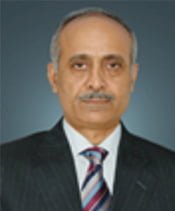
Dr. S. Khurshid Hasanain, Adviser COMSTECH
Dr. S. Khurshid Hasanain is an Adviser at COMSTECH Secretariat, Islamabad and has previously served as a Professor of Physics and Dean of Science Faculty at Quaid-i-Azam University, Islamabad. He has been deeply involved in developing the STI Agenda 2026 of the OIC and is engaged with implementation of COMSTECH programs in various areas of food security in OIC countries.
Dr. Ismahane Elouafi, Director General International Center for Biosaline Agriculture, the United Arab Emirates.
Dr. Elouafi is a global thought leader in science for sustainable development, food security and nutrition. She has been consistently ranked among the most influential women in science in the Arab world. Her contributions to science and policy have been recognized with a number of awards, including the National Reward Medal by His Majesty Mohamed VI, the King of Morocco (2014), and the Excellence in Science Award from the Global Thinkers Forum (2014).Throughout her career spanning more than two decades, Dr. Elouafi has initiated and led major science and partnership programs, developed strategies, and advised governments and international research and development institutions. She has extensive on-the-ground experience in agricultural research and development, stakeholder engagement, resource mobilization and partnership-building in Asia, Africa, and the Middle East.
Prof. Dr. Ragab Ragab, UK Centre for Ecology & Hydrology, Hydrologist and Water Resources Management Specialist, Vice President, International Commission on Irrigation and Drainage (ICID).
Prof Ragab is the UKCEH Fellow, hydrologist and water resources management specialist. Long experience of being employed by both universities and research centres. Expert in catchment hydrology, irrigation, drainage, soil hydrology, soil physics, soil-water-plant –atmosphere relations, impact of land use and climate, change on water resources, water& food security and drought management. Vice President (2010-2013) of the International Commission on Irrigation & Drainage, ICID (www.icid.org), the Chairman of the Permanent Committee on Strategy and Organization, PCSO of ICID (2010-2014), Chairman of the Working Group on Water & Crops, ICID and was the Chairman of the British National Committee on Irrigation and Drainage, ICID-UK (2007-2011), founder of the WG on the use of poor quality water for food production, ICID. International Adviser to the Brazilian National Institute of Salinity studies and to King Saud University, Saudi Arabia, and UNDP. Lecturer and external examiner to various Universities in and outside the UK.
Dr. Kate Negacz , Vrije Universiteit (VU) Amsterdam, Netherlands Dr Kate Negacz is a Postdoctoral Researcher in the Department of Environmental Policy Analysis at the Institute of Environmental Studies (IVM), Vrije Universiteit Amsterdam. She is involved in the Interreg North Sea SALFAR project as an editor of ‘Climate Change and Sustainable Agriculture in a Saline Environment’ book. Kate holds a PhD in the field of environmental economics. Her research focuses on mapping the socio-economic potential of saline agriculture and conducting a quantitative and qualitative analysis of related data. Dr Negacz also works on the international biodiversity governance in the BioSTAR project in cooperation with the PBL Netherlands Environmental Assessment Agency. Before joining IVM, she was involved in several sustainability projects in Poland, Switzerland, Taiwan, Spain, Germany and the Netherlands.
Dr Abdelaziz Hirich, Biosaline Agriculture, Mohammed VI Polytechnic University, Ben Guerir, Morocco.
Dr Abdelaziz Hirich is Assistant professor of Biosaline agriculture in Mohammed VI Polytechnic University, African Sustainable Agriculture Research Institute in Laayoune, Morocco since January 2020. Prior to his current position he was scientist at the International Center for Biosaline Agriculture, Dubai from 2017 to 2020 and Postdoctoral fellow from 2014-2016. He has PhD in agricultural sciences (IAV HASSAN II, Morocco), MSc in land and water resources management (CIHEAM-IAMB, Italy) and Engineer diploma in Horticulture (IAV HASSAN II, Morocco). His expertise is focusing on Biosaline agriculture, salinity management, horticulture, irrigation management, alternative crops, fertigation.
Prof. Redouane Choukr-Allah, Environmental-Horticulture , IAV Hassan II University
Dr. Choukr-Allah is a senior fellow at ICBA. He is a horticultural, hydroponic and water expert with extensive experience in coordinating and managing field-based projects and technical teams involved in protected agriculture production. His most recent research focus is on water and energy use efficiency of greenhouse and net-house systems. He has extensive experience in use of saline water and of pre-treated sewage in agriculture, and soil and groundwater pollution prevention. He designed and implemented numerous experiments on crop water requirements and water scheduling and global water requirements to save water and maintain crop yields. As a project manager, he worked extensively on evaluating the use of treated sewage water in agriculture. He holds a Ph.D. degree in environmental horticulture from the University of Minnesota, USA. He is a professor for over 39 year at IAV Hassan II Morocco.
Prof. Steve McGrath Rothamsted Research, UK
Prof McGarth’s research interests are in increasing understanding of the factors affecting the bioavailability, ecotoxicology and mobility of nutrients and toxins in soil-crop systems. He is skilled in using stable and radioisotopes to trace the movement and sources of nutrients and contaminants in soils and plants; and in LC-ICP-MS, synchrotron and NanoSIMs to identify the speciation and localisation of trace elements. His latest research focuses on developing rapid techniques for the analysis of soils and plants to predict the transfer of nutrients, including micronutrients, into the food chain, to improve crop yields, human and animal health and nutrition.
Prof Dr Arifa Tahir,
Lahore College for Women University
Dr Tahir is a leading scientist and scholar in the field of Industrial Biotechnology, Applied Microbiology, especially renowned for her research in the various areas relating to Environmental Microbiology, food microbiology, Nanotechnology, and Climate Change. Currently she is working as a chairperson of Environmental Science department, LCWU. She has extensive teaching and applied research. She is keen to promote hydroponic solutions for food production.
Dr. Fatou Bojang, National Agriculture Research Institute (NARI), Head Cereals Program, The Gambia
Dr. Fatou Bojang is a Gambian by birth. She recently completed her PhD on crop modelling from the University of Bamako in Mali, under West African Science Service Centre on Climate change and adapted land use (WASCAL). This is a regional program comprising of ten countries with one participant from each country. She was employed at the national agricultural research institute of the Gambia in 2007. During this period she hold various positions at the institute, as a research assistant, research officer, senior research officer and currently principal by research officer and Head cereals program, upon completion of her degree.
Dr Munawar Kazmi, Country Manager for ACIAR in Pakistan
Dr Munawar Kazmi is Islamabad based Country Manager for ACIAR in Pakistan. His background in plant diseases and he is a trained facilitator, worked extensively on the Farmer Field School approach, collaborating with national organizations and international agencies in Vietnam, Bangladesh, China, Thailand and Kyrgyzstan.
The workshop is targeted to benefit scientists and research scholars from different fields of biological sciences including Molecular Biology, Biochemistry, Genetics, Immunology, and Biotechnology.
Workshop Agenda (Pakistan Standard Time):
12:00-12:10 Opening Session
12:10-12:40 Lecture 1: Serological testing: Methodology and principals of various serological tests
12:40-13:10 Practical: videos demonstrating the principals
13:10-13:20 Question & Answers
13:20-13:30 Break
13:30-14:00 Lecture 2: samples selection and collection for serological testing: Dos and Don’ts
14:00-14:30 Practical: videos how to collect various samples
14:30-14:40 Question & Answers
14:40-15:10 Lecture 3: serological tests available for SARSCoV2 a comprehensive comparison
15:10-15:40 Practical: videos demonstrating the procedures
15:40-15:50 Question & Answers
15:50-16:00 Closing Session
VENUE
Zoom Meeting
REGISTRATION PROCESS
Please submit the online registration form before September 20, 2020. Registered participants will receive e-certificates..
His Excellency the Secretary General of OIC, Dr. Yousef bin Ahmad Al-Othaimeen visited COMSTECH Secretariat Islamabad on August 9, 2017. His delegation was received by COMSTECH team led by Dr Shaukat Hameed Khan, Coordinator General COMSTECH.
Secretary General was briefed on COMSTECH’s activities and programs. Federal Minister for Science and Technology Mr. Rana Tanveer Hussain and Secretary for Ministry of Science and Technology Mr. Fazal Abbas Maken, also attended the event.
Later the Secretary General along with Minister and other dignitaries attended dinner hosted by Coordinator General Dr. Shaukat Hameed Khan.
“Sustainable Development Of Drylands In The Post 2015 World”
August 21-24, 2016
Alexandria, Egypt
The 12th International Dryland Development Conference with the theme “Sustainable Development of Drylands in the Post 2015 World” was held from 21 to 24 August 2016 in the Alexandria Library, Alexandria, Egypt. It was co-sponsored by the Arid Land Agricultural Graduate Studies & Research Institute (ALARI), Egypt, Arid Land Research Centre (ALRC), Japan, International Center for Agricultural Research in the Dry Areas (ICARDA), Centre International de Hautes Etudes Agronomiques Méditerranéennes (CIHEAM), Cold and Arid Regions Environmental and Engineering Research Institute of Chinese Academy of Sciences(CAREERI), China, the Agricultural Research Center (ARC), Egypt, JICA (Japan International Cooperation Agency), JIRCAS (Japan International Research Center for Agricultural Research), and Desert Research Center (DRC), Egypt. The International Fund for Agricultural Development (IFAD), Food and Agriculture Organization of the United Nations (FAO), Commission on Science & Technology (COMSTECH), ECO Science Foundation (ECOSF), and other international and national organizations supported the Conference.
Themes of the Conference:
Application of new technologies for the improvement of stress (drought, heat, cold and salinity) resistance of crops for dry areas.
Sustainable management of scarce water resources.
Agronomic and crop improvement interventions for sustainably enhancing agricultural productivity of small-holder farmers in dry areas.
Soil health and land use constraints for agricultural productivity in dry areas and their management.
Soil erosion and desertification processes and control.
Biodiversity conservation, and prevention of deforestation.
Sustainable management of productivity of rangeland and livestock in dry areas.
Arid lands communities, their indigenous knowledge and heritage, and socio-economic studies. Poverty alleviation, creation of job opportunities and minimizing outmigration.
Renewable energy resources (wind, solar, biogas) for sustainable arid land community settlement.
There were six plenary sessions, three specialized group sessions, and eleven concurrent sessions on nine themes. The Conference was attended by 201 participants from 25 different countries.
Contact Person
Prof. Abdel El-Beltagy
Chair of the International Dryland Development Commission (IDDC)
Egyptian Academy of the Scientific Research & Technology
This conference was the first major event in the history of the University of Malakand marking a first step towards institutional growth and maturity. A large number of delegates both national and international participated in this conference. International participants were from Turkey, China, Sweden, Jordan, Malaysia, USA and Qatar. It provided a really good opportunity for extensive discussions leading to new ‘social contracts’ for chemistry.
The participants looked through where chemistry stands today and where they are heading, what their social impact has been and what society expects from them.
They also discussed what efforts should be invested to make chemistry advanced as far as expectations and the challenges posed by human and social development are concerned.
It provided an opportunity to the participants for collaborations extending to both national and international levels. Some of the research papers presented during this conference were selected for publication in the special issue of “The Journal of the Chemical Society of Pakistan”.
The University of Malakand is situated in a conflict zone which has been severely affected and people were scared to visit the area. This conference broke the ice of disconnection and made it possible to bring national and foreign delegates to witness the prevailing peace in the area.
List of speakers for Plenary and Invited/Keynote lectures
Prof. Dr. Muhammad Rasul Jan
Vice Chancellor, University of Peshawar, Pakistan
Nanomaterials and Modified Materials as A Tool for Signal Amplification and Detection
Prof. Dr. Mustafa Soylak
Faculty of Sciences, Department of Chemistry, Erciyes University, 38039, Kayseri-Turkey.
Modern Trends in Solid Phase Extraction of Trace Elements: Preparation and Characterization of Nanosized Materials
Prof. Dr. Hesham R. El-Seedi
Division of Pharmacognosy, Department of Medicinal Chemistry, Uppsala University, Biomedical Centre, Box 574, SE-75 123, Uppsala, Sweden.
The Traditional and Prophetic Medicines Are Unraveling Another Mystery of the Mother-Nature
Calcium Supplements: As an Additional Source of Lead Contamination and Mineral Contents
Prof. Dr. Tufail Hussain Sherazi
National Centre of Excellence in Analytical Chemistry, Univ. of Sindh, Jamshoro, Pakistan
Application of Nuclear Magnetic Resonance Spectroscopy for Edible Oils Analysis
Dr. Syed Ghulam Musharraf
International Center for Chemical and Biological Sciences, University of Karachi, Karachi-75270, Pakistan
Untargeted Metabolomics Snapshot of Cancer Samples for Biomarker Search
Dr. Muhammad Imran
Biochemistry Section Institute of Chemical Sciences University of Peshawar, Peshawar-25120 KP Pakistan
Nuclear Factor-κappa B activation switches all-trans-retinoic acid-induced granulocytic differentiation of promyelocytic leukemia cells to macrophages
Prof. Dr. Jianlong Wang
Collaborative Innovation Center for Advanced Nuclear Energy Technology, INET, Tsinghua University, Beijing 100084, P. R. China
Adsorption of Co(II) by zero valent iron/graphene nanocomposite
Dr. Sami Ullah
Lecturer, School of Physical and Geographical Sciences, William Smith Building WS1.39, Keele University, Staffordshire ST5 5BG, UK
In Situ Denitrification: Methodological Challenges and Spatial Variability in Terrestrial Ecosystems
Prof. Dr. Tariq Yasin
Deputy Chief Scientist, Department of Metallurgy and Materials Engineering, PIEAS, PO Nilore, Islamabad, Pakistan
Radiation Processed Materials and their Applications
Dr. Naila Siddique
Principal Scientist, Chemistry Division, Directorate of Science, PINSTECH, PO Nilore Islamabad 45650, PAEC, Islamabad Pakistan
Essential, Toxic, Rare Earth and High Field-Strength Elements in Multani Mitti Clay Using Instrument
Prof. Dr. Muhammad Makshoof Athar
Director, Institute of the Chemistry, University of the Punjab, Lahore Pakistan.
Modified Carbon Paste Electrode for Detection of Hg(II) in Industrial Effluents
Prof. Dr. Zahid Hussain
Department of chemistry Abdul Wali khan Mardan 23200 Pakistan
Effect of pretreatment on the product distribution of two step catalytic pyrolysis of biomass
Prof. Dr. Mir Munsif Ali Talpur
Director, Institute of Chemistry, Shah Abdul Latif University Khairpur
Dandralenes-Synthesis and Characterization
Dr. Bushra Naseem
Department of Chemistry, Lahore College for Women University, Jail road, Lahore 54000; Pakistan
Interaction between Nitroimidazoles and alcohols: physico-chemical study
Dr. Bushra Munir
Assistant Professor, Applied Chemistry and Biochemistry, GCUF 38000, Pakistan
Total Antioxidant Status and Oxidative Stress in Rheumatoid Arthritis
Dr. Iqbal Hussain
Associate Professor, Department of Chemistry, Islamia College Peshawar 25000: Pakistan
Synthesis, Characterization, Anti-oxidant and Biological Activities of Schiff base Alkylhydrazone
Prof. Dr. Yousaf Al-Hiari
Faculty of Pharmacy University of Jordan, Jordan
Novel heterocyclic carboxamide derivatives as potential antihyperlipidaemic Agents: Indole-2-carboxamides as Model
Prof. Dr. Mansoor Ahmad
Research Institute of Pharmaceutical Sciences, Department of Pharmacognosy, University of Karachi, Karachi-75270
Pakistani Phytomedicines and Their Role in Cuurent Medical System
Dr. Muhammad Raza Shah
ICCBS (H. E. J. Research Institute of Chemistry and Dr. Panjwani Center for Molecular Medicine and Drug Research) University of Karachi, Karachi-75270, Pakistan
Nano-Pores and Supramolecular Chemistry
Prof. Dr. Shazia Anjum
Department of Chemistry, The Islamia University of Bahawalpur, Bahawalpur 63100, Pakistan
Standardization of Anti-Diabetic Medicinal Plants of Cholistan Desert
Dr. Asma Ejaz
Research Scientist III, Joslin Diabetes Research Center/Harvard Medical School, 1 Joslin Place, Boston, MA‐02115
Curcumin; Scientific Description of a Traditional Healing Agent
Prof. Dr. Mohammad Ilyas
NCE in Physical Chemistry, University of Peshawar
Green and Sustainable Catalysis
Prof. Dr. Hasan Mahmood Khan
NCEPC University of Peshawar, Peshawar 25120.
Advance Oxidation Processes (Aops) For the Treatment of Some Pesticides and Persistant Organic Pollutants (Pops) In Water
Prof. Dr. Muhammad Nasiruddin Khan
Department of Chemistry, University of Karachi, Karachi 75270, Pakistan
Feasibility studies to replace the synthetic surfactant with bio-surfactant for green environment
Prof. Dr. Haq Nawaz Bhatti
University of Agriculture, Faisalabad, Pakistan
Green and sustainable technologies for remediation of dyes containing wastewater
Dr. Muhammad Akhyar Farrukh
Associate Professor, Nano-Chemistry Lab 54000, Organization: GC University Lahore, Pakistan
Evaluation of optical, catalytic and thermodynamic properties of metal oxides nanocomposites
Contact Person
Prof. Rashid Ahmad
Chief Organizer of the Conference
Vice President
Chemical Society of Pakistan
Dept. of Chemistry
University of Malakand, Chakdara, Dir (L), Khyber Pakhtunkhwa
COMSTECH Inter-Islamic Network on Nanotechnology (INN) offered a two-day international conference/workshop on “Nanotechnology and Nanomedicine”, NTNM2017. This conference aimed to address the practical solutions offered by the advancement in nanotechnology and nanomedicine. Scientists and researchers from Netherlands, Norway, Kyrgyzstan, Bangladesh, United States, Malaysia, Pakistan, India, United Kingdom, Oman, Japan, Zimbabwe, Iran, Australia, Turkey and Iran participated in this event.
Original papers on nanometer-scale materials, devices, and technologies that utilized in biomedical science and technology were welcomed. The conference comprised six professional sessions on topics related to “Tissue Engineering and Regenerative Medicine”, “Pharmaceutics and Drug Delivery Systems”, “Nanomedicine, Diagnosis, and Therapy”, “Nanobiodevices and Biosensors”, “Nanotechnology and Environmental Health”, and “General Aspects of Nanotechnology”, which highlighted the recent breakthrough stories and advancements in the field of nanotechnology.
161 papers were received by the secretariat for review, from which 32 papers were accepted to be presented in lecture format, 18 talks for the first day and 14 talks for the second day, and also 2 virtual presentations from Turkey and Malaysia. In addition, 84 papers were accepted to be presented in poster, from which three top poster presentations were selected by the review of different invited speakers and MERC professors and awarded at the closing ceremony of NTNM2017. All original papers presented at NTNM2017 were evaluated for publication in the journal of Elsevier, “Material Today: Proceedings”.
There were also 9 workshops in parallel with the presentation sections held on both days of the program which were mainly adjusted to create an information exchange atmosphere for the participants and mainly the invited speakers.
The multinational environment of this conference made it a perfect platform for the development of practical ideas from all over the world. None of this would have happened without the earnest efforts of the organizers behind the scenes, including Materials and Energy Research Center (MERC), Inter-Islamic Network on Nanotechnology (INN), and COMSTECH. COMSTECH was represented at the Workshop/Conference by Dr. S. Khurshid Hasanain, Senior Expert.
The 6th International and 15th National Conference on Dynamic Trends in Plant Sciences: Fostering the Environment and Food Security was held from 9 to 11 May 2017 at SBK Women’s University, Quetta, Pakistan. It was co-sponsored by COMSTECH.
The conference was a milestone in the history of Baluchistan as being the first one ever to be conducted on this topic. It offered an occasion for the eminent scholars and researchers to present their work. It proved to be a good platform for interaction and collaboration among scholars from various disciplines related to plant sciences and at the same time provided an opportunity of networking and scholarship from renowned experts from multiple fields in the realm of botanical sciences.
A number of international scholars as well as Pakistani scientists from different parts of the country attended this event. In all about 500 scholars, researchers, scientists and students participated. The conference comprised four sessions with three sessions of plenary lectures which covered five themes (listed below). There were 31 plenary lectures, 2 online lectures from UK, and oral and poster presentations in the fields of Biotechnology, Botany, Chemistry, Environmental Sciences and Microbiology. Eleven speakers from Japan, Malaysia, Nigeria, Turkey and UK delivered their lectures along with twenty renowned scientists from Pakistan.
This event provided an excellent opportunity to the participants to share knowledge and exchange their research findings, ideas, experiences and views on different topics in biological sciences. It also introduced the first women’s university in Balochistan at international and national level and acquaint the participants with its current work for advanced research and studies.
THEME- 1: Agriculture and Plant Physiology
Agronomy
Horticulture
Abiotic and Biotic Stresses
Nutrients and Biofertilizers
Plants and Livestock
Food Safety and Security
Plant Breeding and Genetics
Organic Farming and Hydroponics
Plants for Livestock
THEME- 2: Plant Biotechnology, Biochemistry
Bioinformatics and molecular Biology
Tissue Culture
Cell and Molecular Biology
Enzymology
Plantomics
Data Mining, NGS, Algorithm, Database
Phytochemistry and Biotransformation
THEME- 3: Plant Pathology, Microbiology and Disease Management
Mycology
Bacteriology
Virology
Plant Nematology
Plant Disease
Biological and Chemical Control
THEME- 4: Plant Ecology and Environment
Sustainable Development and Applied Ecology
Population, Community, Ecosystem
Ecophysiology
Environmental Pollution
Global Warming
Green Chemistry
Biosafety
THEME- 5: Plant Systematics, Ethnobotany and Biodiversity