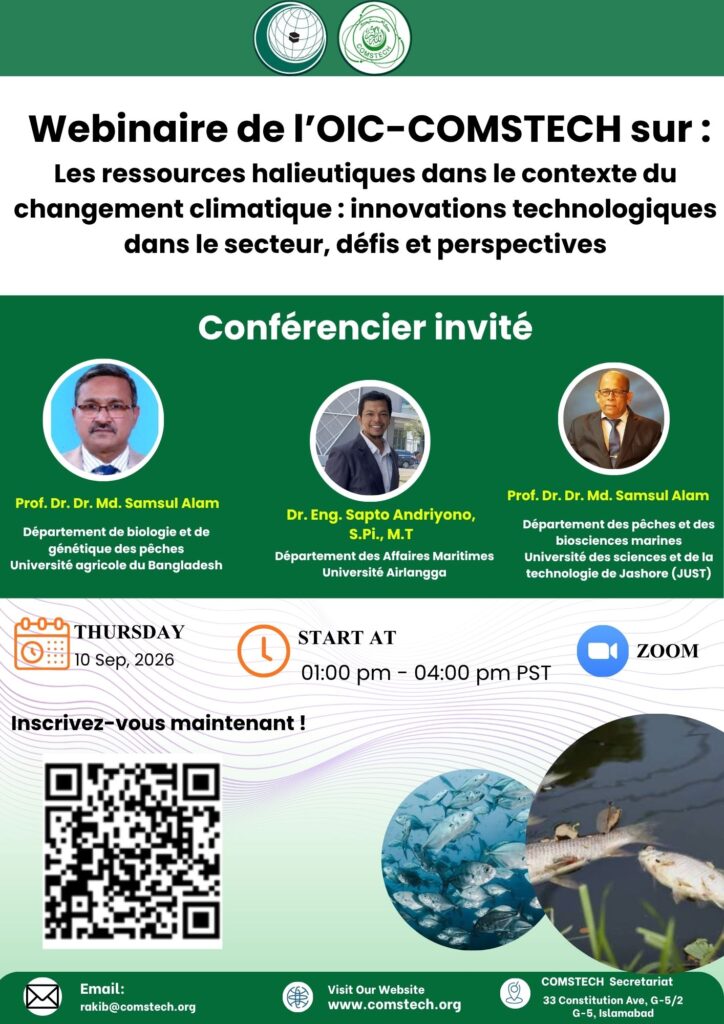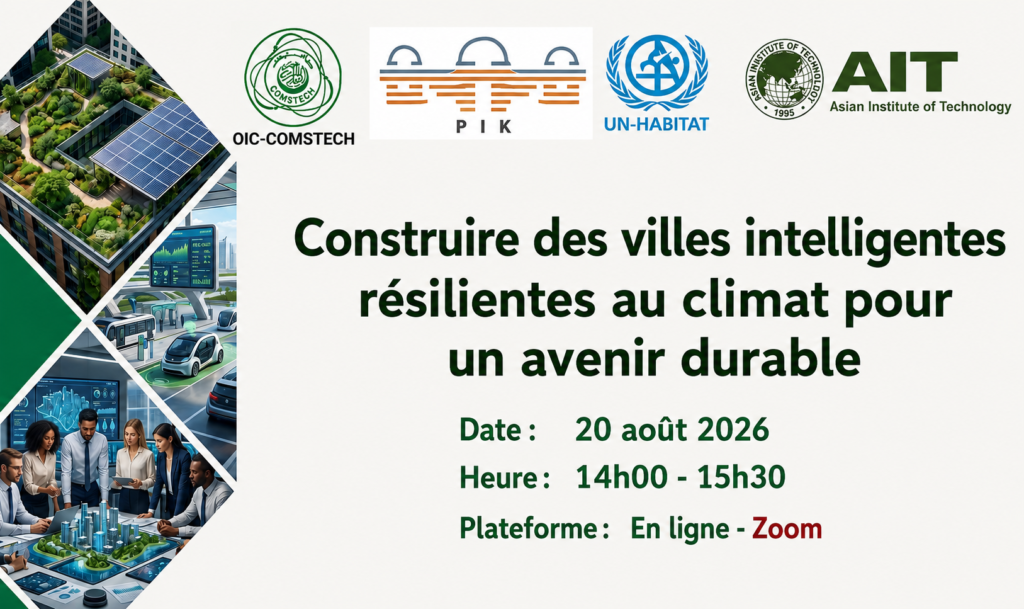
For More Information: Click Here

For More Information: Click Here

Date: 3rd & 4th September 2025
Venue: COMSTECH Secretariat, Islamabad, Pakistan
Time: 10:00-3:30 PST
Flyer: Click Here
About the Workshop:
OIC – COMSTECH, in collaboration with leading botanical scientists from Azerbaijan & other OIC countries is organizing a focused Two-days international workshop on nature-based medicinal and cosmetic products. The workshop will showcase traditional knowledge, research advances, product development, and commercialization strategies in the field of botanical sciences.
This event aims to strengthen scientific exchange and promote collaborative research between Pakistan, Azerbaijan & OIC countries on herbal medicines and cosmetic formulations using indigenous plant resources.
Objective:
The primary aim of the workshop is to:
Key Themes:
Target Beneficiaries:
• Researchers and scientists in the field of botany, pharmacognosy, and natural products.
• Faculty members and postgraduate students from relevant disciplines.
• Industry professionals in herbal medicine and cosmetic formulation.
• Policymakers and R&D stakeholders from OIC countries.
Speakers & Experts from:
PARTICIPANTS:
Highlights:
Limited Seats Available – Pre-registration Required
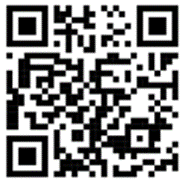
For Registration and Information: Click Here
Date limite de candidature : 20 août 2025
L’OCI-COMSTECH, en collaboration avec l’université chinoise de Ningbo, classée parmi les meilleures du pays, annonce un programme conjoint sur la biomédecine aérospatiale, les produits pharmaceutiques et l’intelligence artificielle. Ce programme propose une formation pratique dans les domaines de la Médecine et des Science Techniques, Ingénierie et Mathématiques.
Contexte :
L’OCI-COMSTECH, en collaboration avec l’université chinoise de Ningbo, classée parmi les meilleures du pays, a lancé un programme conjoint spécialisé visant à renforcer les capacités scientifiques et technologiques des États membres de l’OCI. Cette initiative se concentre sur la formation pratique dans les domaines de la médecine aérospatiale, de la biomédecine, des produits pharmaceutiques et de l’intelligence artificielle, en mettant fortement l’accent sur les domaines liés à la Médecine et aux Science Techniques, Ingénierie et Mathématiques. Ce programme vise à répondre au besoin de chercheurs et de personnel technique qualifiés dans ces disciplines émergentes, en dotant les participants d’une expertise pratique afin de soutenir l’innovation dans le domaine des soins de santé et le progrès technologique dans le monde islamique.
Objectif :
Bénéficiaires cibles :
Ce programme s’adresse aux chercheurs scientifiques et aux enseignants en sciences, technologie, ingénierie et mathématiques (STIM) dans des domaines tels que la biochimie, les sciences biologiques, la pharmacie, les sciences aérospatiales et les sciences chimiques, ainsi qu’aux enseignants des établissements universitaires et de recherche des États membres et observateurs de l’OCI. Les minorités musulmanes des États non membres de l’OCI peuvent également postuler.
Critères d’éligibilité :
Soutien au programme :
Lien pour postuler Link: https://form.jotform.com/251892769447475
Poster: Attached
Address: COMSTECH Secretariat, 33-Constitution Avenue, G-5/2, Islamabad
Phone No. : 92 51 9220681-3
Email: pcayesha@comstech.org ; khazima@comstech.org ; comstech@comstech.org
Date: Monday, August 4, 2025. 3:30 PM (Pakistan Standard Time)
By:
Dr. Shamsher Ali
Clinical/Regulatory Affairs Specialist at the University of Massachusetts Chan Medical School, USA.
Flyer: Click Here
Introduction:
In recent years, the importance of robust clinical trial frameworks has grown significantly, particularly as global health crises and rapid advancements in medicine demand faster yet safer drug development. Pakistan, with its large and diverse patient population, holds untapped potential for clinical research. However, the regulatory environment governing clinical trials in the country remains a significant bottleneck. The approval processes managed by the Drug Regulatory Authority of Pakistan (DRAP) are often slow, which discourages both local and international research sponsors.
Despite attempts to align with international standards, Pakistan’s clinical trial regulations remain loosely harmonized with global benchmarks such as those set by the FDA, EMA, and ICH. Ethical oversight mechanisms, particularly Institutional Review Boards (IRBs), are inconsistently developed across institutions, often lacking the training and resources required to conduct timely and rigorous reviews. This adds further delays and raises concerns about compliance with Good Clinical Practice (GCP).
In addition, regulatory bodies face challenges in terms of staffing, expertise, and technological infrastructure. The absence of digital submission systems, real-time monitoring tools, and centralized databases hinders the efficiency and transparency of trial management. Legal ambiguities around participant rights, data protection, and injury compensation further complicate the regulatory landscape, contributing to an environment of uncertainty for sponsors and investigators alike.
This talk will examine the primary regulatory challenges confronting clinical trials in Pakistan today, evaluates their impact on research and innovation, and outlines actionable steps to align the country’s clinical trial framework with global best practices.
Speaker Profile:
Dr. Shamsher Ali is a highly experienced clinical and regulatory affairs professional with more than 15 years of multidisciplinary expertise spanning clinical research, regulatory strategy, scientific innovation, and trial operations. With a robust academic foundation and advanced training in biomedical research, Dr. Ali has successfully transitioned into leading global Phase I–III clinical trials in diverse therapeutic areas, including oncology (CAR-T, plasma-derived therapies), cardiology, dermatology, diabetes, autoimmune, and rare diseases.
Currently serving as a Clinical/Regulatory Affairs Specialist at the University of Massachusetts Chan Medical School, Dr. Ali oversees end-to-end regulatory operations for over 100 active clinical studies. He is responsible for regulatory submissions (INDs, CTAs, ICFs, CSRs), AE/SAE reporting, TMF and CTMS oversight, vendor management, and regulatory correspondence with the FDA, EMA, and major IRBs (WCG, Advarra, NCI CIRB). His expertise in tools such as OnCore, Advarra eReg, REDCap, Medidata, and Shared Investigator Platform (SIP) enhances trial efficiency, documentation integrity, and inspection readiness.
Dr. Ali’s industry and academic career includes leadership roles at Alliance Foundation Trials, Beth Israel Deaconess Medical Center, Dräger Medical Systems, and American International Chemical. Across these positions, he led regulatory and quality operations, vendor compliance programs, global clinical submissions, and cross-functional collaboration to meet both scientific and regulatory milestones.
Prior to transitioning into regulatory leadership, Dr. Ali conducted extensive postdoctoral research in biomedical sciences. At Harvard T.H. Chan School of Public Health, he led projects on airway remodeling and stem cell behavior using advanced biophysical and imaging techniques. At MIT/Harvard (Brigham and Women’s Hospital), he co-developed microgel-based bioengineered tissue platforms and pioneered cell-patterning technologies for regenerative medicine. At Northeastern University, he specialized in the chemical modification and structural characterization of bioactive oligosaccharides, contributing to drug development for inflammatory diseases.
Dr. Ali holds a PhD in Chemistry and a Master of Science in Regulatory Affairs from Northeastern University. His unique blend of translational science, clinical operations, and regulatory strategy positions him as a leader at the intersection of innovation, compliance, and patient-focused research. Dr. Ali has published his research in peer-reviewed journals like PNAS and Lab on a Chip
Who can attend?
Potential participants for the webinar include clinical researchers, regulatory professionals, pharmaceutical companies, healthcare policymakers, academic researchers and educators, and international research sponsors.
How to register
For registration, please fill the following form: Click Here
Zoom Link will be shared with the participants 1-2 days before the webinar.
Webinar Coordinator:
Muhammad Haseeb Ahmad
Program Officer
Haseeb.ahmad@comstech.org
Date: August 28, 2025, Time: 14:00-15:30 PKT
By:
Prof. Dr. Muhammad Aziz Rahman
Professor of Public Health,
Research Adviser,
Institute of Health and Wellbeing, Federation University Australia
Flyer: Click Here
Introduction:
The webinar will showcase public health career pathway of the speaker along with scope and opportunities to contribute globally in this domain, including research, teaching, programs, collaboration, policies and advocacies.
Speaker Profile:
Professor Rahman is an experienced academic, a medical doctor, and a public health professional. He has worked in public health research and teaching for over 20 years in Australian and international settings. He has an excellent track record of providing leadership in completing different research and community projects successfully focusing on various aspects of public health, securing funding, producing high-quality research publications, supervising higher degree research students, assisting in capacity building, and providing supportive supervision to the early/mid-career researchers and collaborating successfully with experienced researchers. He has published more than 200 research papers in multidisciplinary journals with more than 125,000 citations. Due to his extraordinary track record of research citations, he has been ranked amongst the world’s top 2% scientists for the last five years (2020-24), ranking done by Elsevier BV and Stanford University, USA. He has contributed to generating over $13 million in funding in his professional career. He has extensive international research collaborations with over 25 countries and has successfully led several multi-country research projects with significant outputs.
Professor Rahman is currently working as the Professor of Public Health and Research Adviser at the Institute of Health and Wellbeing at Federation University Australia. He is also the Vice President of the Public Health Association of Australia (PHAA).
Who can attend?
Potential participants for the webinar include public health students and graduates, public health professionals, medical and healthcare practitioners, academic researchers and educators, policy makers and advocates, NGOs and community leaders, and early/mid-career researchers.
How to register
For registration, please fill the following form: Click Here
Zoom Link will be shared with the participants 1-2 days before the webinar.
Webinar Coordinator:
Muhammad Haseeb Ahmad
Program Officer
Haseeb.ahmad@comstech.org
Registration link: Click Here

“Organisé par: Centre des sciences, de la technologie et de l’innovation (STIC), COMSTECH”
Conférencier invité
Professeur Dr Yuzong Chen
Directeur adjoint, Laboratoire national clé d’oncogénomique chimique
Université de Ningbo, Chine
Animateur technique/Conférencier
Prof.Dr. Wang Likun
Université de Ningbo, Chine
Organisé par:
Centre des sciences, de la technologie et de l’innovation (STIC), COMSTECH
Détails de l’atelier : Cette formation certifiante s’adresse aux chercheurs confirmés, cliniciens, data scientists et enseignants-chercheurs des domaines de la biotechnologie, de la bioinformatique, de l’informatique, de la pharmacie et des sciences de la vie, désireux d’intégrer l’IA aux applications biomédicales. Ce programme vise à doter les participants de compétences pratiques et d’une expérience concrète de l’application de l’intelligence artificielle pour résoudre des défis concrets en santé et en recherche biomédicale, notamment dans des contextes de ressources limitées. Les participants acquerront également des connaissances sur la mise en place et la pérennisation d’initiatives de recherche biomédicale axées sur l’IA au sein de leurs établissements
Objectifs d’apprentissage:
À la fin de cet atelier, les participants seront capables de:
Public cible:
Module de cours:
| Numéro de conférence | Titre | Sujets abordés |
| 1 | Présentation de l’IA : Qu’est-ce que l’IA ? | Comment fonctionne-t-elle ? Apprentissage automatique vs apprentissage profond, histoire de l’IA |
| 2 | IA et Big Data en biomédecine | A et Big Data dans le langage, l’image, l’audio, la biomédecine ; bases de données biomédicales |
| 3 | Méthodes d’apprentissage automatique supervisé – Partie 1 | Méthodes ML supervisées simples, k-plus proche voisin, classificateurs bayésiens |
| 4 | Méthodes d’apprentissage automatique supervisé – Partie 2 | SVM, arbres de décision, forêt aléatoire, mesure des performances, formation avec de petits ensembles de données |
| 5 | Méthodes d’apprentissage automatique non supervisées | Mesures de distance/similitude, clustering hiérarchique, K-means, C-means flous |
| 6 | Méthodes de régression d’apprentissage automatique | Régression linéaire/polynomiale, PCA, PLS, régression logistique, crête, LASSO |
| 7 | Apprentissage automatique biomédical | Applications du ML dans les domaines biomédicaux |
| 8 | Réduction de la dimensionnalité des données, sélection de caractéristiques et applications biomédicales | PCA, t-SNE, UMAP, visualisation, méthodes de sélection de caractéristiques, applications biomédicales |
| 9 | Modèles CNN d’apprentissage profond | Principes fondamentaux des réseaux de neurones convolutifs (CNN) |
| 10 | Modèles CNN biomédicaux d’apprentissage profond | CNN appliqués aux données et diagnostics biomédicaux |
| 11 | Incorporation de mots et codage biomoléculaire | Techniques d’intégration de mots, codage de biomolécules (ADN, ARN, protéines), codage chimique et alimentaire |
| 12 | Réseau neuronal récurrent (RNN) et applications | Notions de base sur RNN, LSTM, RNN vs. LSTM, applications dans les données séquentielles |
| 13 | Transformer | Mécanismes d’attention, introduction à l’architecture Transformer |
| 14 | Apprentissage profond pharmaceutique Modèles | Découverte de médicaments et apprentissage profond dans les applications pharmaceutiques |
| 15 | Apprentissage profond spectroscopique en biochimie et biomédecine | Techniques de spectroscopie, modèles DL pour données spectroscopiques |
| 16 | ML et DL métabolomique | Métabolomique, applications ML et DL en métabolomique |
| 17 | Génomique microbienne et apprentissage profond métagénomique | Génomique microbienne, métagénomique, applications d’apprentissage profond |
| 18 | Herbal AI | Médecine traditionnelle, bases de données à base de plantes |
| 19 | Apprentissage automatique et apprentissage profond dans le domaine alimentaire | Technologie alimentaire, bases de données, ML et DL en sciences alimentaires |
Téléphone: 92 51 9220681-3
Courriel: comstech@comstech.org