Past Events

  • COMSTECH Webinar on “Bioactivities of Secondary Metabolites From Turkish Medicinal Plants”

    By
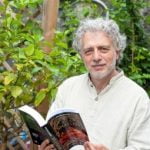
    Prof. Dr. Bilge SENER 
    Department of Pharmacognosy,
    Faculty of Pharmacy, Gazi University, Ankara-Turkey. 
    Adjunct Professor, H.E.J. Research Institute of Chemistry,
    ICCBS, University of Karachi, Pakistan.

    Date and Time: November 23, 2021, at 14:00 (Pakistan Standard Time)

    Overview:

    Medicinal plants have a combination of naturally occurring secondary metabolites that possess a number of significant therapeutic benefits for human health. These phytoconstituents have been reported to play an important role in the drug discovery process.  In addition, medicinal plants have been considered for many years as an essential source of drugs for the treatment of several diseases. With recent advancements in science and technology, the natural products are still  popular among researchers focussing on discovery of novel bioactive compounds. This webinar will analyze the research focused on the determination of bioactive secondary metabolites from Turkish medicinal plants along with geophytes as therapeutic agents for dementia – as a drug candidate for brain diseases.

    Target Audience:

    The webinar is open to students, researchers, young scientists, and academicians  from the OIC member states and other countries.

    For Registration please visit:  https://forms.gle/FYgMCJJ8Yz2LgAwNA

    Procedure to Join:  Zoom link will be shared with selected participants via email.

    Profile of Speaker:

    Prof. Dr. Bilge Sener graduated from Ankara University, Faculty of Pharmacy in 1974 and completed her Ph.D. (awarded by TUBITAK) at the Dept. of Pharmacognosy, Ankara University, in 1977.  In 1981, she became an Assoc. Prof. at the same department and became a full Professor in 1988. Furthermore, she was a researcher at the Department of Chemistry, The Pennsylvania State University (USA) between 1986 and 1988 as Visiting scientist awarded by NSF (National Science Foundation).

    Prof. Sener is also involved in several administrative tasks (Dean, Co-Director, delegate etc.) at Gazi University and as a Turkish delegate at the European Pharmacopoeia Commission by the Ministry of Health. She has also served as a member of the Bioorganic Committee of the IUPAC (International Union of Pure and Applied Chemistry).

    Her main research field is development of bioactive compounds from Turkish medicinal plants and evaluation of herbal medicines alongwith nutraceuticals for their quality control. She has won 21 awards from national and international institutions. In addition, she has completed 48 projects supported by NATO, NSF, IUPAC, Soctrates-Grundtvig, TUBITAK and University Research Funds. She has authored/co-authored 16 books, 106 chapters and 719 research articles published in leading peer reviewed international journals. She has also given 71 conferences and 358 plenary and invited lectures. Lastly, she has supervised 22 Ph.D. thesis at Gazi University, and as co-advisor of 16 Ph.D. scholars at the University of Karachi.

    Webinar Coordinator:
    Muhammad Haseeb Ahmad
    Program Officer
    COMSTECH, Islamabad.
    Email: Haseeb.ahmad@comstech.org
    Phone: +92 51 9220681

  • COMSTECH BASIC SCIENCES PROGRAMME Webinar on “Introduction and Update on Inertial Confinement Fusion”

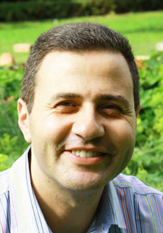
    Prof. Dr. Dimitri Batani
    Professor
    CELIA –  Centre Lasers Intenses et Applications
    University of Bordeaux, France

    Date & Time: October 12, 2021 at 1500 – 1630 Hrs. (Pakistan Standard Time)

    Overview

    Inertial Confinement Fusion is an approach to Controlled thermonuclear fusion, which is based on the idea of compressing a deuterium-tritium target to very high-density using laser beams. Compression also produces a temperature increase in the core of the target which should be enough to trigger nuclear fusion reaction of deuterium and tritium ions (releasing an α – particle, a neutron, and a large amount of energy).

    Recently, experiments conducted at the National Ignition Facility at LLNL in the US, have released 1.3 MJ of fusion energy with less than  2 MJ of laser energy. This result brings us very close to the demonstration of ignition in the laboratory, i.e. the point at which the energy for nuclear fusion reactions equals the drive energy. This will be a scientific result of tremendous importance, however still much work will be needed to obtain higher gains and a net production of energy. In this webinar, the principles of inertial confinement fusion, the main obstacles to progress in the field, the novel approach of “Shock Ignition” of fusion targets and, finally the perspective for future research work towards higher gains will be taught.

    Target Audience

    The webinar is open to students, researchers, young scientists, and academicians from the OIC member states.

    For Registration please visit  https://forms.gle/Hmiui9jNZHwZKT6E9

    Procedure to Join:  Zoom link will be shared with selected participants

    Profile of Speaker

    Prof. Dr. Dimitri Batani has been working as full Professor at University of Bordeaux, France (CELIA – Centre Lasers Intenses Applications) since 2011. He has performed pioneering works in several fields related to the physics of laser-produced plasmas, High Energy Density (HED) physics, laser-driven sources of radiation and particles, development of plasma diagnostics and, physics of inertial confinement fusion.

    He has published 612 research papers with h-index 47 and more than 8000 citations. He is Member of the European Academy of Sciences (EURASC) and has been awarded the Friedel-Volterra Prize 2017, jointly by the Italian Physical Society (SIF) and, the French Physical Society for his outstanding contributions in the study of laser plasma interactions related to inertial confinement fusion. He has several honors and awards and has served at many teaching and research positions.

    Webinar Coordinators

    Muhammad Haris Akram
    Program Manager
    COMSTECH, Islamabad.
    Email: haris@comstech.org
    Phone: +92 51 9220681

    Muhammad Haseeb Ahmad
    Program Officer
    COMSTECH, Islamabad.
    Email: Haseeb.ahmad@comstech.org
    Phone: +92 51 9220681

  • Training Workshop “Acquisition, Conservation, Exchange and Safety Duplication of Plant Genetic Resources in OIC Member Countries” – MENA Chapter

    Date: 21-22 September 2021
    Time: 15.00 hrs (by Pakistan time), 16.00 hrs (by Kazakhstan time)

    Considering the importance of biodiversity of genetic resources and the possible loss of genetic materials from gene banks due to environmental changes or political conflicts, it is crucial to building the capacity of OIC Member countries in conserving and sustainable use of genetic resources in their respective countries.

    It is worth mentioning that developing strong human resources in this field in OIC Member Countries has become an urgent demand. While a few of our Member States do possess advanced know-how and well developed Genebank facilities many of our Member States do not possess sufficient human and technical resources in this vital domain. To address this issue, IOFS and COMSTECH have agreed to conduct a series of related training for OIC Member countries. These training sessions may be considered as a follow up to the online Workshop on National Gene banks organized by IOFS and COMSTECH, July 5-6, 2020.

    OBJECTIVES

    • To raise awareness of OIC Member countries in establishing gene bank requirements;
    • To build the capacity of OIC Member countries in maintenance and operations of gene banks (collection of genetic materials, conservation, germplasm exchange policies);
    • To familiarize with international and national laws and policies;
    • To discuss and exchange the international practices in the conservation of genetic resources and effective collaboration in this field of various stakeholders on the national and international level.

    IMPLEMENTATION OF ACTIVITIES

    In order to achieve the above-mentioned objectives, the organizing parties aim to implement activities during the period of June-November 2021 in the areas of common interests that would include:
    1. Online training on PGR (Region-I) Asia, 13-14 July 2021
    2. Online training on PGR (Region-II) Africa, 10-11 August 2021
    3. Online training on PGR (Region-III) MENA, 21-22 September 2021

    Due to the constraints on travel and gatherings imposed by the COVID-19 pandemic the workshop will be held online (Zoom platform). The working language of the event is English (interpretation into the Arabic language).

    PARTICIPATION

    The workshop participants will include representatives of gene banks; research and science organizations specialized in the management of animal genetic resources; government agencies, responsible for the improvement of biological diversity; and other stakeholders interested in the workshop theme from all OIC member countries.

    REGISTRATION

    To attend the Workshop and receive informational materials regarding the event please register:

    https://shortest.link/-e4

    ZOOM LINK

    To join the Workshop, please follow the link:  https://shortest.link/-e0

    Other organizational matters can be clarified by the IOFS focal point: Makpal Bulatova, Program Manager, IOFS Secretariat, +77017773649, m.bulatova@iofs.org.kz.

  • COMSTECH Webinar On “How To Build A Successful Academic Career?”

    Prof. Dr. Mohamed Ali Farag

    Alexander von Humboldt Fellow/TWAS Fellow
    Professor and Program Director
    American University in Cairo, Egypt

    Date and Time: October 28, 2021 at 15:00 PKT (Pakistan Standard Time)
    Deadline for Registration: October 25, 2021

    Overview:

    One of the unspoken rules in research is that a successful career in science is only possible with one or more papers with an impact factor above 10 or higher. This belief creates a lot of peer pressure among young scientists and may be even one of the causes of increasing numbers of scientific fraud cases. But is it true?

    To answer this question, it is crucial to get a very clear idea what “a successful career in science” means for you. It is very simple: If you want to work and succeed in an academic environment you must be prepared. Here, Prof. Farag will provide unvarnished advice for young scientists on the difficulties that lie ahead and on how to escape the bottle necks most researchers go through in their career to succeed. Opinion presented in this talk is based on Prof. Farag’s 27 years of experience in academia and to cover issues related to how to think scientifically, present & publish in an upmost level.

    Target Audience:
    The webinar is open to students, researchers, young scientists, and academicians  from the OIC member states.

    For Registration please visit:  https://forms.gle/nKKUBZBDEWLWnd5r5

    Procedure to Join:  Zoom link will be shared with selected participants via email.

    Profile of Speaker:
    Prof. Farag completed his PhD at Texas Tech University, USA, in 2003. In 2005, after spending time as a postdoctoral fellow at The Samuel Noble Foundation, USA, and the James Graham Brown Cancer Center, USA, he became assistant professor at the Faculty of Pharmacy, Cairo University, Egypt.

    Currently, Prof. Farag works as a Professor at the Chemistry Department, American University in Cairo (AUC) where his research work focuses primarily around applying innovative biochemical technologies (metabolomics) to help answer complex biological questions in medicine, herbal drugs analysis and agriculture.   

    Furthermore, Prof. Farag works as a Visiting Professor at the Technical University of Munich, Germany, to participate in teaching plant metabolomics and chemomterics modelling for master students, and in 2009–2010 he held the Alexander von Humboldt Fellowship in Germany.

    Prof. Farag has been recognized with several awards, including Abd el Hameed Shoman award (2016), Egypt Higher State Incentive Award (2012), Cairo University Incentive Award (2009), TWAS award in Science Diplomacy (2014), and the Mass Spectroscopy Performance Award, TTU, USA (2004).  For his highly cited publications with close to 8000 citations and an H index of 40, Prof. Farag was selected as a top researcher in the field of plant biology in Africa by the American society of plant biology, USA.  Prof. Farag is also a TWAS Fellow in Agriculture from Egypt.

    Webinar Coordinator:
    Muhammad Haseeb Ahmad
    Program Officer
    COMSTECH, Islamabad.
    Email: Haseeb.ahmad@comstech.org
    Phone: +92 51 9220681

  • COMSTECH & Maroof International Hospital

    International Training in Randomized Controlled Trials (RCTs)

    September 23 – 24, 2021

    Venue: COMSTECH Auditorium Islamabad, 33 Constitution Ave, G-5/2 G-5, Islamabad, Pakistan

    Duration & Timings:

    Thursday September 23rd, 2021 to Friday September 24th, 2021

    Modality:

    Hybrid i.e. Face to face session at COMSTECH Secretariat/Zoom based interactive discussions.
    Limited physical Participation is only for residents of Rawalpindi and Islamabad or any other who can arrange their accommodation and transport.

    Learning objectives

    Through a case-based learning approach:

    • Highlighting the importance of ethical practices
    • Illustrating the concepts of internal & external validity
    • Enabling participants to employ descriptive & inferential statistics
    • Equipping the participants with analytical skills for critical appraisal
    • Tooling participants with steps of proposal writing and budgeting

    Topics

    1. Equipoise and ethics
    2. Formulating a research question
    3. Inclusion and exclusion criteria, primary and secondary outcome measures
    4. Randomization techniques & pitfalls
    5. Blinding and allocation concealment
    6. Sample size calculation
    7. Inferential statistics
    8. CONSORT statement for conducting & reporting of RCTs
    9. Proposal writing & budgeting
    10. Critical appraisal and applicability to practice

    Target Audience:

    Physicians, Medical students, nurses, pharmacists, biologist & allied health care research professionals

    Registration:

    Pl. register at https://forms.gle/6qzbryvVJEVvFntCA. Candidates will be updated about their registration request through their email.

    MUST: Use the following link to download reference material including the required case-based study articles: http://tiny.cc/InternationalTrainingRCTs

    Flyer : click here
    Technical Program : click here

    Course Director:

    Prof. K. H. Mujtaba Quadri
    Diplomate American Board of Internal Medicine & Nephrology
    Certified: Principles and Practice of Clinical Research (Harvard),
    Chair Research and Head of Nephrology

    Lead Facilitators:

    1. Prof. Mobeen Iqbal
      (MBBS, Diplomate American Board of IM, Pulmonary and Critical Care, MHPE (Keele), Certified: Quantitative Research Methodology (Harvard), MIH Islamabad
    2. Dr. Waqar Hafeez
      (MBBS, Diplomate American Board of Psychiatry and Neurology, CCRP), MIH Islamabad
    3. Dr. Shamail Anwar
      (MBBS, FCPS (OBGYN), CCRP), MIH Islamabad
    4. Dr. Ammad Fahim
      (MBBS, PhD, CCRP), MIH Islamabad
    5. Dr. Imad ud din Saqib
      (MBBS, CCRP), MIH Islamabad
    6. Ms. Kholood Janjua
      (Pharm-D, MS. Bio-Medical Sciences, Diplomate American Board of Quality Assurance and Utilization Review, CCRP), NUST Islamabad
    7. Dr. Rehma Gilani
      (MBBS, MPH, Certified: Principles and Practice of Clinical Research (Harvard), NUMS Rawalpindi
    8. Ms. Maham Zahid
      (Pharm-D, MPH, Certified: Principles and Practice of Clinical Research (Harvard), NUMS Rawalpindi

    Course Coordinators:

    • Ms. Khazima Muazim, COMSTECH Islamabad
    • Syed Mufasser Shah, MIH Islamabad

    Contact:

    Ms. Khazima Muazim (Program Manager, COMSTECH):
    Address: COMSTECH Secretariat, 33-Constitution Avenue, G-5/2, Islamabad 
    Phone No. : 92 51 9220681-3
    Email: Khazima@comstech.org ; comstech@comstech.org

  • COMSTECH Distinguished Scholars Webinar

    Advanced Methods for Structure Determination of Proteins and their complexes: Drug Discovery for Motor Neuron Disease to COVID-19

    Prof. Dr. Samar Hasnain

    Date and Time: 09th September, 2021; 02:30 PM PKT

    Target Audience:

    This webinar is open to academicians, scientists, and general public from all the OIC member  states.

    Profile of Speaker:

    Samar Hasnain is a structural biologist with over 45 years of Synchrotron Radiation experience.  He obtained a PhD in experimental Physics in 1976 from the University of Manchester on molecular crystals using synchrotron radiation at NINA. After spending a year as PDRA with Manchester he joined DESY in Hamburg as a DESY Fellow working on the Storage ring Synchrotron Radiation Facility, where during his stay at DESY, the synchrotron team created HASYLAB in 1978.

    In 1979, Professor Hasnain joined the UK’s effort of establishing the world’s first dedicated synchrotron radiation source (SRS) as a full-time scientific staff member of the Daresbury national laboratory. In 1989, he established the Molecular Biophysics group at Daresbury where he remained as head of the group until March 2008 when he moved to the University of Liverpool as Max Perutz Professor of Molecular Biophysics where he established the Barkla X-ray laboratory of Biophysics, naming the X-ray laboratory after the Liverpool’s Nobel prize winner Charles Glover Barkla (1917) who had established the nature of Rontgen rays (X-rays) that helped to start the field of X-ray Crystallography. During 2011-2105 he was the International Lead for the Faculty of Health and Life Sciences of the University of Liverpool.

    He persuaded the International Union of Crystallography to launch the Journal of Synchrotron Radiation in 1993 and became its founding editor with Hiromichi Kamitsubo and John Helliwell. He was the Editor-in-Chief of the IUCr Journals from 2012 to 2018. In 2014, he launched the IUCr’s flagship journal IUCrJ. He is a member of the International Advisory Board for IUCrJ. He is also an Editor of the Current opinion in Structural Biology and IUBMB Life.

    He has been engaged with the SESAME synchrotron project in Jordan launched under the umbrella of UNESCO since its inception in 2004 and is the UK Government’s representative on its Council since its foundation. He is Chair of its Programme Review committee since 2018. Previously, he was the founding Chair of its Beamline Advisory Committee.

    He is Fellow of the Institute of Physics (UK, since 1991), Fellow of TWAS (since 1997), Fellow of the Royal Society of Chemistry (UK, since 2002) and Foreign Fellow of the Pakistan Academy of Sciences (since 2017).

    His main interest is in structure-function studies of proteins and their complexes that are involved in biological electron transfer, nitrogen cycles and neurodegenerative diseases. He has been involved in structure-based drug discovery targeted towards neurodegenerative diseases and malaria.

    Hasnain has pioneered an approach to defining the structures of metalloproteins that combines not only X-ray crystallography and solution X-ray scattering, now used widely in the structural biology community, but also X-ray absorption fine structure (XAFS) and optical spectroscopies. More recently, he has included cryo electron microscopy (cryo-EM) in his toolkit and has applied to a number of membrane proteins effectively. The integration of spectroscopic methods with crystallography has proved powerful in providing validation of ‘functional’ states of enzymes as well as providing a route to identifying ‘radiation-damage free structures’. The value of this integrated approach has been recognized widely and has been adopted by the metalloprotein research community worldwide. His drive to obtain ‘damage-free’ structure has led to (i) the ‘multiple structures serially obtained from one crystal’ (MSOX) technique that allows an opportunity to capture radiolytically-driven chemical reactions in the crystal and (ii) the use of XFEL for providing damage-free structures for redox proteins.

    Flyer of webinar:  click here

    Link for registration and E- certificate:

    https://forms.gle/S9yWc3kFN1ccKGWV6

    Address: COMSTECH Secretariat, 33-Constitution Avenue, G-5/2, Islamabad 
    Phone No. : 92 51 9220681-3
    Email: Khazima@comstech.org ; comstech@comstech.org

  • COMSTECH-NTD NETWORK JOINT LECTURE SERIES Identifying and Validating New Drug Targets for Neglected Tropical Diseases

    Professor Patrick G. Steel
    Department of Chemistry and Biophysical Sciences Institute,
    Durham University, Durham DH1 3LE, UK

    Date: 27 September, 2021  
    Time: 02:30 pm Pakistan Standard Time

    Our Programme: NTDs (neglected tropical diseases) are a major health and economic burden in Organisation of Islamic Cooperation (OIC) member states. The control and elimination of NTDs requires both a scale-up and integration of global mass treatment programmes, along with new tools and technologies to tackle these diseases. COMSTECH, in collaboration with A Global Network for Neglected Tropical Diseases (known as the NTD Network, https://ntd-network.org/ , is launching a virtual lecture series. for researchers across the Moslem world and beyond. Our programme draws upon expertise from both networks, and offers opportunities to gain or enhance researcher knowledge, skills and connections, all of which help to grow our shared global capacity to tackle these rapidly growing NTDs.

    • The NTD Network, funded by UKRI’s Global Challenges Research Fund (GCRF), is a consortium of academic researchers from South America, Asia, and the UK, seeking new therapeutic solutions to leishmaniasis and Chagas disease
    • Both COMSTECH and the NTD Network aim to promote global scientific cooperation and build researcher capacity to find new and better therapeutic solutions for NTDs

    This online programme is the first of many COMSTECH-NTD Network joint activities via the COMSTECH platform.

    Target Audience: This webinar is open to academics, scientists and the general public from all OIC member states. The content is most relevant to scientists interested in NTDs research, and specialised in Microbiology, Genetics, Genomics, Molecular Biology, Molecular Medicine, and Pathology.

    Webinar poster/flyer
    The speaker’s profile

    Register with us to attend this meeting:
    • Register at : https://forms.gle/LaRnELNEZ9K9u6Ai8

    Contact us for further details:
    Khazima@comstech.org;  comstech@comstech.org

  • A 2-day Online Training Course on Inclusive Science Technology and Innovation (STI) policy for OIC Member States

    (20-21st September 2021)

    Online: Zoom Meeting

    COMSTECH Secretariat invites participation from OIC countries for two days training course on Design of Inclusive STI policies to be held from 20th to 21th September, 2021 virtually via zoom.  

    Science, Technology and Innovation policies have been widely recognized as critical to sustained economic growth and increased social well-being. The experience of past few decades shows that most developed countries, i-e the leaders in technology capability have not only achieved economic prosperity but have to a large extant addressed problems related to extreme poverty and- socio-economic inequalities by investing in scientific and technological capabilities.

    In most developing countries and also in majority of OIC Member States, the gap between rich and poor in terms of economic (per capita income) and social (the availability of clean water and food, education, health and ICT technologies is widening.

    The design and implementation of Inclusive STI policies have the potential to address problems related to extreme poverty, hunger, disease and access to social infrastructure.

    COMSTECH online training course is an effort towards building capability of Member States in Designing Inclusive STI Policies.

    Course Structure and Contents

    The course covers the following main topics;

    • Essential Elements of Innovation System
    • Inclusive Education and Health Policies Local international experts from reputed institutions. Teaching will be interactive with lectures followed by discussions and group assignments.

    Who will benefit from the Course?

    Public servants involved in designing Science, Technology and Innovation (STI) Policies, STI Policy Researchers and R&D Managers working in the public ministries, universities and R& D institutions (both public and private).   

    Poster of the course: 

    click here

    Register at:

    Click here

    Profiles of Speakers:

    Prof. Dr. Tim Turpin: https://www.linkedin.com/in/tim-turpin-2635494a?originalSubdomain=au

    Procedure to join:

    Zoom link for participation will be shared with selected participants.


    Address: COMSTECH Secretariat, 33-Constitution Avenue, G-5/2, Islamabad 
    Phone No. : 92 51 9220681-3
    Email: Khazima@comstech.org ; comstech@comstech.org

  • Online Certificate Course on “BASIC PLANT TISSUE CULTURE TECHNIQUES”

    August 25, 2021
    Organized by
    COMSTECH, Secretariat, Islamabad In collaboration with International Center for Chemical and Biological Sciences (ICCBS) and Pakistan Biotechnology Information Center (Karachi Chapter)

    Flyer Click Here

    Who Should Attend?

    The course is designed to address the interest of scientists and research scholars working in various fields of plant biotechnology including genetics, and molecular biology.

    Course Content:

    The course will be comprises of series of lectures and “online hands on training sessions” covering following contents:

    • Overview of Plant Tissue Culture and its Applications
    • Equipment and Media used
    • Explant Selection
    • Sterilization
    • Initiation, Multiplication, Shooting and Rooting

    Registration:


    Registered participants will receive e-certificates
    Please register at following link before August 20, 2021
    Registration Link Click Here

    Venue: Zoom Meeting

    Zoom link will be shared with selected registered participants.

    COURSE PROGRAM (Pakistan Standard Time)

    11:00-11:15     Inauguration Ceremony
    11:00-11:05     Recitation of the Holy Quran
    11:05-11:15     Welcome Address by Prof. Dr. M. Iqbal Choudhary
    11:15-11:50     Lecture 1 entitled, “Commercial Plant Tissue Culture for Horticulture Plants”
    11:50-12:25     Lecture 2 entitled, “Modern agriculture techniques and their contribution towards economic development of Muslim world”
    12:25-13:00     Lecture 3 entitled, “Ethics and Biosafety in Plant Biotechnology”
    13:00-13:35     Lecture 4 entitled, “Commercialization of Tissue Culture Techniques”
    13:35-14:10     Lecture 5 entitled, “Application of Tissue culture techniques for Floriculture”
    14:10-15:10     Practical Session (Tissue culture of Horticulture Crops)
    15:15-15:30     Questions and answers
    15:30-15:45     Closing Ceremony

    Speakers:

    Dr. Pejman Azadi

    Deputy Director General for Technology- Agricultural Biotechnology Research Institute of Iran (ABRII), AREEO, Karaj, Iran
    President of Iranian Society for Ornamental Plants (ISOP)

    Dr. Muhammad Yusuf Zafar, T.I.

    Former Chairman
    Pakistan Agricultural Research Council (PARC), IslamabadPakistan

    Dr. Muhammad Usman

    Institute of Horticultural Sciences
    University of Agriculture, Faisalabad-38040
    Pakistan

    Dr. Iftikhar Ahmad

    Institute of Horticultural Sciences
    University of Agriculture, Faisalabad-38040
    Pakistan
    0334-7416664

    CONTACT PERSON

    Khazima Muazim
    Programme Manager
    COMSTECH Secretariat, Islamabad
    Tel: +92-51-9220681-3
    Fax: +92-51-9205264, +92-51-9220265

    Email: khazima@comstech.org

  • “Acquisition, Conservation, Exchange, and Safety Duplication of Plant Genetic Resources in OIC Member Countries – AFRICA Chapter”

    10-11 August, 2021, 1500- 1800 hrs (Kazakhstan Standard Time)

    1400- 1700 hrs (Pakistan Standard Time), 900-1200 GMT.

    Considering the importance of biodiversity of genetic resources and the possible loss of genetic materials from gene banks due to environmental changes or political conflicts, it is crucial to build the capacity of OIC Member countries in conserving and sustainable use of genetic resources in their respective countries.

    Developing strong human resources in the field of Gene Banks and preservation of Plant Genetic Resources (PGR) has become an urgent need since many of our Member States do not possess sufficient human and technical resources in this vital domain. To address this issue, Islamic Organization for Food Security (IOFS) and OIC Standing Committee on Scientific and Technological Cooperation (COMSTECH) have agreed to conduct a series of related trainings for OIC Member countries. Bio-resources Conservation Institute (BCI) of Pakistan Agricultural Research Centre (PARC) have kindly agreed to provide technical support to the training programme in a series of Regional Training Workshops. Experts from other countries and regions will be included as per the demands of the technical program. These trainings may be considered as a follow up to the online Workshop on National Gene banks organized by IOFS and COMSTECH, July 5-6, 2020.

    Due to the constraints on travel and gatherings imposed by the COVID-19 pandemic the trainings will be held online.

    • Objectives

    •       To raise awareness of OIC Member countries in establishing gene bank requirements

    •       To build the capacity of OIC Member countries in maintenance and operations of gene banks (collection of genetic materials, conservation, germplasm exchange policies)

    •       To familiarize with international and national laws and policies

    •       To discuss and exchange the international practices in the conservation of genetic resources and effective collaboration in this field of various stakeholders on the national and international level.

    • Implementation of activities

    In order to achieve the above-mentioned objectives, the organizing parties will implement the following activities during the period of July-November 2021 in the areas of common interest:

    1.     Online training on PGR (Region-I) Asia                         13-14th July, 2021

    2.     Online training on PGR (Region-II) Africa                     10-11th August, 2021

    3.     Online training on PGR (Region-III) MENA 

    Training will include video demonstrations and other interactive features to involve active participation.

    • Participation: Professionals, academics and researchers related to the field of PGR and Food Security
    • Interested participants should apply online Click Here  by 4th August  2021.
    • Tentative Program of the 2nd Online Training Webinar (Asia Region): 10-11th August, 2021, 1400 to 1700 hours Pakistan Standard Time. (Program Detail Click Here)
Back to top button