Jointly organized by Dr. Panjwani Center for Molecular Medicine and Drug Research, Royan Institute, COMSTECH, Mustafa(pbuh) Science and Technology Foundation and Sindh Innovation, Research, and Education Network (SIREN)
Introduction: Dr. Panjwani Center for Molecular Medicine and Drug Research (PCMD), International Center for Chemical and Biological Sciences (ICCBS), University of Karachi, in collaboration with Sindh Innovation, Research, and Education Network (SIREN) and COMSTECH regularly organizes popular lectures on the topics of general interest and need. PCMD-Royan Institute Webinar Series (Hybrid) is being jointly organized by Dr. Panjwani Center for Molecular Medicine and Drug Research, Royan Institute, Iran, COMSTECH, MSTF, and SIREN. The webinar series is based on the current topics of Biomedical Sciences. The series will provide basic as well as advanced knowledge, skills and academic connections and expert opinions from renowned researchers of both institutes.
PCMD: The Panjwani Center for Molecular Medicine and Drug Research (PCMD) is a constituent center of the International Center for Chemical and Biological Science (ICCBS). The main objective of the Center is to is to develop an understanding regarding common diseases in Pakistan in order to develop effective diagnostic tools and affordable treatments by using molecular medicinal, chemical and computational methods and to train highly qualified manpower in the emerging new fields of molecular medicine and drug development.
Royan Institute: The Royan Institute is an Iranian clinical, research and educational institute dedicated to biomedical, translational and clinical researches, stem cell research and infertility treatment. It is a public non-profitable organization affiliated to Academic Center for Education, Culture and Research. It was established in 1991 by the late Dr. Saeid Kazemi Ashtiani as a research institute for Reproductive Biomedicine and infertility treatments. In 1998 this institute was approved by Ministry of Health as Cell Based Research Center with over 46 scientific members and 186 lab technicians.
Third Webinar: The third webinar of series is entitled: “Genomic Characterization of Neuromuscular Disorders in Pakistan”
Who Should Attend? All undergraduate and graduate students as well as scientists and researchers working in the fields of molecular biomedicine, stem cells and regenerative medicine, tissue engineering and other biomedical disciplines.
Speaker’s Profile: Dr. Ishtiaq Ahmad Khan is working as an Associate Professor at the Dr. Panjwani Center for Molecular Medicine and Drug Research, ICCBS in the field of genomics. He obtained his Ph.D. from the H. E. J. Research Institute of Chemistry, ICCBS, University of Karachi, and post-doctoral training from the Beijing Genomics Institute, Shenzhen China, and the Sanger Wellcome Institute, Cambridge where he worked under the supervision of Prof. Chris Tylor Smith. His research group is working on microbial, viral, and human disease genomics using the latest next-generation DNA sequencing technologies and bioinformatics tools. During the current pandemic, his research group carried out genomic surveillance studies on SARS-CoV-2 and contributed to informed decision-making at the national level. Furthermore, his group is working on rare genetic diseases of neuromuscular nature and early age blood disorders. He has won several national and international research grants and has published 36 research papers in journals of international repute. He is also the in-charge of Sindh Forensic DNA and Serology Laboratory, Karachi which provides services to the judicial systems of the Sindh process in both civil and criminal cases.
Program Schedule: June 29, 2022 Day and Time: Wednesday 10.00 am Pakistan time: 9.30 am Tehran time For registration (free):bit.ly/GCNDP-SIREN Registerby June 25, 2022 Venue: L.E.J. National Science Information Center, International Center for Chemical and Biological Sciences (ICCBS), University of Karachi, Karachi-75270.
For more information: Email: siren.lej@gmail.com; Call: 021-111-222-292 Ext: 267, 275. Room No. 202, 2nd floor, L.E.J. National Science Information Center, International Center for Chemical and Biological Sciences (ICCBS), University of Karachi, Karachi-75270.
Jointly Organized by COMSTECH and The Standards and Metrology Institute for Islamic Countries (SMIIC) in collaboration with Islamic University in Uganda. Venue: Islamic University in Uganda (IUIU), Kampala Date: August 22-26, 2022
Deadline for applications: 15th July, 2022
Introduction
In view of the diversity of several products, including processed food and other items of daily use in the present day, authentication and confirmation of their Halal nature is a growing challenge globally. Beside the environmental contaminants, both biological and chemical, addition of non-halal ingredients, which is prohibited for Muslims, are a matter of concern. In recent years, awareness about Halal food and products has increased due to the cross contamination of several industrial products in our daily life. However, with increasing globalization, many Islamic countries import these products (or ingredients) from places which do not observe the Islamic religious laws. It is therefore, imperative for the Muslim countries to establish Halal testing laboratories which will ensure the ‘Halal’ status of the consumer products.
COMSTECH, SMIIC and other OIC institutions/organizations have been mandated by the Abu Dhabi Declaration (Second OIC Summit on Science & Technology, June 2021) to develop the capacity of Least Developed Countries of the OIC relevant to Halal (Clause # 32).
Course Objectives
The objective of this training courses is to encourage the harmonization of Halal Standards used in the OIC Countries and internationally by aiding in the adoption and use of the OIC/SMIIC Halal Standards. The training course is designed to train the participants from Africa LDC-OIC Member States regarding the procedures for adoption, implementation and use of the OIC/SMIIC Halal Food Standards, mainly:
OIC/SMIIC 1:2019 – General Requirements for Halal Food
Auditing of Testing Labs in line with OIC/SMIIC 35 – Conformity Assessment – General Requirements for the Competence of Laboratories Performing Halal Testing.
the Testing Procedures standards such as Test Method for detection of porcine in Food Products (meat, processed food and gelatin) which are being chosen at SMIIC TC1 Technical Committee for Halal food issues.
The aim is to transfer knowledge and skills, and to develop the human capital, while bridging the knowledge gap and enlightening the compliance requirements set forth by the regulatory bodies in the OIC Countries.
Practical session: The first 3 days will consist of lectures which will can also be attended via zoom. This will be followed by a practical session of 2 days which will be conducted for a limited number of selected participants to transfer hands-on knowledge in halal laboratory testing methods.
In regards to the practical training program, participants should fulfill the following criteria:
Chemists, Researchers and Test Specialists high level, no beginners
At least 3 years of practical experience in Real-Time PCR
Able to converse and write in the English language
Hold a permanent position at their institute
Daily work with the measuring equipment
Good knowledge in GLP.
Age between 27 – 45 years old
Had not previously participated in any course under SMIIC and COMSTECH
Number of participants is limited and selection is based on the relevancy of the applicant’s job scope to the objective of the programme. Furthermore, hands on training is only limited to applicants from Africa.
Who Should Attend?
The training course is designed to address the interest of scientists, research scholars, government officials, statutory policymakers, enforcement officers, and food safety auditors in OIC/SMIIC Halal Products Standards and Testing.
Travel & Local Hospitality:
COMSTECH will arrange local hospitality for selected participants. Travel support will be provided to the speaker/resource persons only. Participants are expected to get their travel funding from their parent organizations/country of origin.
Registration Process:
For physical participation register at the following link: Physical Registration Closed
Read instructions in the application form carefully and submit a properly filled form along with your CV. Foreign participants must submit a scanned copy of passport.
Selected candidates will be notified through email; hence, applicants are required to check their emails regularly.
Workshop Coordinators:
Muhammad Haris Akram Program Manager COMSTECH, Islamabad. Email: haris@comstech.org Phone: +92 51 9220681
Muhammad Haseeb Ahmad Program Officer COMSTECH, Islamabad. Email: Haseeb.ahmad@comstech.org Phone: +92 51 9220681
Intellectual Property (IP) has been an integral part of every business organization whether SMEs, MNCs, or Institutions. Technology- based companies are built around and founded on intellectual property. Statistics show that the ROI in IP could be much higher than ROI on physical assets like building, land, and production plants. IP is an intangible asset which is neither exhausted by consumption nor subject to deterioration unlike physical assets.
The second COMSTECH Intellectual Property Summit, as a continuation of the previous Summit held in 2021, will be held in July 27-28, 2022 to aim enhancing knowledge and the ability of the IP experts of Islamic science and technology parks in the field of Intellectual Property Management accordingly.
Coverage:
Introduction to the IP Management
Fundamental principles of IP Administration, Patent Law, Trademark Law and IP-Management
Patent Portfolio Generation and Management
Key Topics to be covered in this seminar:
Intellectual Property Rights: A Management Perspective
Patent Portfolio Management- Case Study
Pakistani Innovation landscape
Pakistani Patent Registration Procedure
Pakistani Trademark Registration Procedure
Patent Portfolio Generation and Management
Patent protection in non-PCT countries
Patent Registration- Case Study
Introduction to the Madrid System for the International Registration of Trademarks
Intellectual Property Rights: A Management Perspective
Patent Portfolio Management- Case Study
Mitra Aminlou has done her BSc in chemical Engineering in Tehran Poly Technique University. She moved to Management Of Technology in her MA, majoring Technology Transfer and continued her PhD in the same field, Majoring R&D Management in Allameh Tabatabaei University. Also by granting a WIPO scholarship, she has done a LLM in Intellectual Property in Turin University in Turin.
She has been working in Pasteur Institute of Iran for 16 years as head of Technology Development Office, Strategic Management Office and Board of Trusties secretariat. Establishing Pasteur IP Office (PIPO) 14 years ago is one of her prominent activities. Also initiating IP Policy Council in Health Ministry following a central IP Office in health ministry during last 5 years.
Promoting IP and Technology Management movement and activities, she is now working in National level with ministry of Health (MOHME), ministry of Science, research and education (NRISP) and IRAMOT
During last 15 years, she actively work on self-knowledge promotion on IP issues especially close connection to WIPO. Also tries her best in development and dissemination of IP Management culture in national level through educating, policymaking and regulation and proactive IP services via private sector.
Her Special focus in IP are: Patents, IP Management, Technological Cooperation (esp. TTOs)
Owais Hassan Shaikh Shaheed Zulfiqar Ali Bhutto University of Law Talk Title:
Pakistani Innovation landscape
Pakistani Patent Registration Procedure
Pakistani Trademark Registration Procedure
Dr. Owais H. Shaikh completed his PhD with Magna-cum-Laude from Ludwig Maximilians Universität (Munich University), Germany in 2016. He wrote his PhD dissertation at the Max Planck Institute for Innovation and Competition in Munich. Owais also has a Master of Laws in Intellectual Property (LL.M) from Munich Intellectual Property Law Center.
Apart from these, he holds an MBA and a BBA from the Institute of Business Administration, Karachi. His teaching and research interests lie in IP, competition and technology laws. He is also a Tutor of Intellectual Property Management at the World Intellectual Property Organization Academy since 2015. He is also a member of the Scientific Committee of the IP & Innovation Researchers of Asia (IPIRA) Network and a guest lecturer at the Universitas Airlangga and at the National Agency of Research and Innovation (BRIN) Indonesia. He actively advises and mentors various technology startups. He is the Founder of Meydaan Ventures, a platform to connect early-stage startups with investors. He is also founder of a startup in stealth mode working at the intersection of Web 3.0 (Metaverse, NFTs) and IP. Previously he worked as Management Consultant in Germany as well as Assistant Director at the Intellectual Property Organization of Pakistan where he assisted the Registrar Trade Marks in Ex-parte hearings.
Leyla Zarei IKAF. LLC Talk Title:
Patent Portfolio Generation and Management
Working in a private company (2009) that had planned to enrich its patent portfolio to commercialize its innovative achievements in foreign countries, led up Leyla Zarei, as the IP specialist in that company to conduct patent prosecution, while she acquired valuable practical knowledge about essentials in patents to enter into commercialization process.
Regarding Leyla’s previous major in environmental engineering (Wageningen university-2004, Netherlands) and experiences already obtained in the private company, Leyla started her carrier in analyzing and valuing innovative environmental-related technologies through patent mapping and analysis while she worked in a technology development group in the Iranian Nano Initiative Council (INIC) (2011).
Leyla continued her IP journey by graduating LLM in intellectual property (WIPO scholarship- Turin University, Italy; 2013). Since then, she involved in many IP-related activities, mainly in patent fields, namely; patent drafting, novelty and freedom analysis, and technology mapping. Moreover, she consults individuals and companies about IP management to obtain more benefits from created Intellectual assets while providing related services for them.
She is managing Ikaf company at the moment while she transfers her experience and knowledge by lecturing in various specific IP-relating fields.
Her Special focuses in IP are: Patents (drafting; prosecution; and analysis) and IP Management.
Fatemeh Jahanpeyma holds a master’s degree in Medical Biotechnology from Tarbiat Modares University (TMU), Iran (2018). She has worked as a research assistant with a demonstrated history of working in biotechnology, and in particular in the fields of medical diagnostics and nanobiotechnology. She has authored or co-authored 7 papers published in high impact scientific journals.
She is currently the head of patent department at Karafam company (Tehran, Iran) which is a private corporation providing high quality intellectual property (IP) management services, and is an agent of Iran Patent Center (Kanoon IP), Iran National Innovation Fund (INIF), Iran’s National Institute for Medical Research Development (NIMAD), and Iran’s Tech-Export Services Corridor (TESC) in providing IP services to entrepreneurs and technologists.
Fatemeh holds numerous international certificates in Intellectual Property (IP) disciplines and has lectured on different IP topics for start-ups, entrepreneurs, university students, and patent examiners. Meanwhile, she has conducted numerous projects in patent analysis and monitoring, preparing patent landscape reports, patentability studies, patent drafting and prosecution, freedom-to-operate search, and preparing IP policy memos.
Fatemeh is passionate about science, technology, IP management, and entrepreneurship and is always keen to help entrepreneurs leverage IP and technical innovations to maximize their business potential.
Her special interests in IP include IP management and using patents metadata to investigate technological trajectories of path-breaking innovations in the different fields of healthcare industry.
Sanaz Javadi Talk Title:
Introduction to the Madrid System for the Internatinal Registration of Trademarks
Sanaz Javadi Farahzadi, lawyer, lecturer, mentor and international adviser to United Nations agencies, European Union, governments, academia, private sector on technical assistance projects on intellectual property, international trade and gender equality in Europe, Middle East, Africa and South East Asia.
Master in Intellectual Property Law, LLM in International Trade Law, Doctoral Researcher in Law, based in Geneva, Switzerland. Have been working with World Intellectual Property Organization, Swiss Federal Institute of Intellectual Property, South Center, UNIDROIT, UNCTAD, International Trade Center, Graduate Institute Geneva, Cambridge University and Women in International Affairs Network (WIAN),Vice President Organization of Women in International Trade, OWIT ,Geneva A part of ITC mentorship program for women in international affairs Legal Network Manager, Legamart, London, UK
Registration Process Step 1: Physical Participation has already been closed.
Step 3: Selected candidates will be notified through email; hence, applicants are required to check their emails.
Venue:
The course will be held at the COMSTECH Secretariat, Islamabad, Pakistan. The city with the backdrop of Margalla Hills and National Park was purpose-built as the capital of sixth largest globally and second most populous (in OIC) country Pakistan in the year 1966. Pakistan, according to the Forbes magazine, is a hidden treasure for tourists with rich cultural diversity, ancient history, diverse landscape, cuisines, modern cities, and locally produced items.
COMSTECH Secretariat 33-Constitution Avenue Sector G-5/2 Islamabad Islamic Republic of Pakistan Tel: +92 51 9220 681 to 683
Course Coordinators:
Dr. Mahmoud Saberi Motlagh Executive Director Inter-Islamic Network of Science & Technology Parks (INSTP) Nezam Pezeshki alley, Entezam Sq. Beheshti Blv, P.O. Box 41635-1719, Rasht, Guilan Islamic Republic of Iran Email: info@instp.ir
Dr. Mohammad Ali Mahesar Consultant OIC Standing Committee on Scientific & Technological Cooperation (COMSTECH) Islamabad. Islamic Republic of Pakistan Email: consultant@comstech.org Phone: +92 51 9220681
Ms. Nour Rizk International Relations Inter-Islamic Network of Science & Technology Parks (INSTP) Nezam Pezeshki alley, Entezam Sq. Beheshti Blv, P.O. Box 41635-1719, Rasht, Guilan Islamic Republic of Iran Email: info@instp.ir
Mr. Aqeel Khan PS to Consultant OIC Standing Committee on Scientific & Technological Cooperation (COMSTECH) Islamabad. Islamic Republic of Pakistan Email: akhan@comstech.org Phone: +92 51 9220681
Target Audience:This training is open to relevant students, researchers, scientists, policy makers and academicians from the OIC member states, and other countries.
Zoom link will be shared with selected candidates through email; hence, applicants are required to check their emails regularly.
While logging into the zoom session please do so with your full name and email address. Your participation in the training will be monitored and only those that attend the complete training and tasks will be issued e-certificates upon completion.
The requirements for hands on training segment are as follows: Pc Requirements: Core i5 with minimum 8GB Ram. Software downloaded: ArcGIS software
Delivered by: Prof. Xiao-Ping Wang Director, Professor, Department of Neurology, Shanghai TongRen Hospital, Shanghai Jiao-tong University Medical School, Shanghai, P. R. China.
Date: 23rd May 2022
Time: 1400 hrs- 1500 hrs Pakistan Time
Target Audience
The webinar is open to students, researchers, young scientists, and academicians from the OIC member states and other countries.
PCMD-Royan Institute Webinar Series (Hybrid) Jointly organized by Dr. Panjwani Center for Molecular Medicine and Drug Research, Royan Institute, COMSTECH, Mustafa(pbuh) Science and Technology Foundation and Sindh Innovation, Research, and Education Network (SIREN)
Introduction:
Dr. Panjwani Center for Molecular Medicine and Drug Research (PCMD), International Center for Chemical and Biological Sciences (ICCBS), University of Karachi, in collaboration with Sindh Innovation, Research, and Education Network (SIREN) and COMSTECH regularly organizes popular lectures on the topics of general interest and need.
PCMD-Royan Institute Webinar Series (Hybrid) is being jointly organized by Dr. Panjwani Center for Molecular Medicine and Drug Research, Royan Institute, Iran, COMSTECH, MSTF, and SIREN. The webinar series is based on the current topics of Biomedical Sciences. The series will provide basic as well as advanced knowledge, skills and academic connections and expert opinions from renowned researchers of both institutes.
PCMD:
The Panjwani Center for Molecular Medicine and Drug Research (PCMD) is a constituent center of the International Center for Chemical and Biological Science (ICCBS). The main objective of the Center is to is to develop an understanding regarding common diseases in Pakistan in order to develop effective diagnostic tools and affordable treatments by using molecular medicinal, chemical and computational methods and to train highly qualified manpower in the emerging new fields of molecular medicine and drug development.
Royan Institute:
The Royan Institute is an Iranian clinical, research and educational institute dedicated to biomedical, translational and clinical researches, stem cell research and infertility treatment. It is a public non-profitable organization affiliated to Academic Center for Education, Culture and Research. It was established in 1991 by the late Dr. Saeid Kazemi Ashtiani as a research institute for Reproductive Biomedicine and infertility treatments. In 1998 this institute was approved by Ministry of Health as Cell Based Research Center with over 46 scientific members and 186 lab technicians.
Second Webinar:
The second webinar of series is entitled:
“Mesenchymal stem cell derived extracellular vesicles: considerations and therapeutic applications”
This webinar aims to discuss the therapeutic potential of naturally secreted micro- and nanoscale extracellular vesicles (EVs) as attractive candidates for regenerative medicine and pharmaceutical science applications. To date, the results of numerous publications have shown the practicality of using EVs to replace mesenchymal stromal cells (MSCs) or liposomes. In this talk, some of these findings will be discussed.
Who Should Attend?
All undergraduate and graduate students as well as scientists and researchers working in the fields of molecular biomedicine, stem cells and regenerative medicine, tissue engineering and other biomedical disciplines.
Speaker’s Profile:
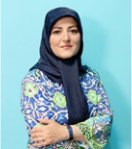
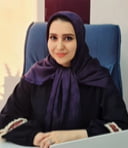
Dr. Faezah Shekari: is a member of Royan Extracellular Vesicle Group. She graduated in B.Sc. and M.Sc. of Cellular and Molecular Biology from Tehran University. During her undergraduate studies, she got interested in proteomics. She joined Royan Institute in 2005 to pursue her interests on membrane proteomics. During her PhD thesis, she got interested in subcellular fractionation and organellar proteomics under supervision of Dr. Hosseini Salekdeh and Prof. Baharvand. She performed international projects including membrane proteome analysis of liver microsomal fraction from international membrane proteomics initiative (MPI) as well as prepared and characterized standard sample for Asian and Oceania human embryonic stem cell MPI under supervision of Prof. Yu-Ju Chen (from Academia Sinica, Taiwan) and Dr. Hosseini Salekdeh and Prof. Baharvand (from Royan institute) in Academia Sinica. Currently, she works as an Assistant Professor in Royan Extracellular Vesicle Group. She is also chair of ISEV Rigor and standardization task force: https://www.isev.org/page/conditionedmedium
Program Schedule: May 25, 2022
Day and Time: Wednesday 10.00 am Pakistan time: 9.30 am Tehran time
Venue: L.E.J. National Science Information Center,International Center for Chemical and Biological Sciences (ICCBS), University of Karachi, Karachi-75270.
For more information:
Email: siren.lej@gmail.com ; Call: 021-111-222-292 Ext: 267, 275. Room No. 202, 2nd floor, L.E.J. National Science Information Center,International Center for Chemical and Biological Sciences (ICCBS), University of Karachi, Karachi-75270
Land degradation has socioeconomic and environmental repercussions impacting food and water security and the livelihoods of agricultural communities. Induced climate change, and particularly the dynamics of extreme events (including floods and droughts) is expected to accelerate the rate of degradation, and, at the same time, posing a real risk of desertification. Over the past few decades, as a result of the multiple drivers, including rapid population growth and socio-political changes and conflicts, increased demand for natural resources, poor land-use planning, agricultural intensification and climate change. Various local key drivers of degradation relate with local and historical management, super-imposed by natural or anthropogenic triggered events.
This rampant degradation has lead to unsustainable agricultural systems, increased rural to urban migration, and eventually to the loss of ecosystem services. Some of the problems are erosion, reduced soil fertility, loss of biodiversity and habitats, water quality degradation for surface flow and groundwater, salinization, wildfires. In particular, dry lands, where water is scarce and in many cases not available during summer, it is difficult to maintain a cover crop to prevent erosion, and in many rural areas it may be costly to acquire new technologies for reduced tillage or precision agriculture. Erosion and loss of topsoil will further result in losses in food production capacity.
Soil and water management practices (SWMP) have been developed for the prevention of further degradation and suggested for the restoration of degraded land. These best practices include cropped land and forests and include soil and water management as well as agro-ecological practices. However, restoration and adoption are slow for several natural and anthropogenic reasons, both of which differ across geographies and economies. Further, incentives and policies are lacking in many instances to drive the needed change. Thus, the challenge is to broaden the adoption of GMPs through demonstrations, leading-by-doing, and bridging science to practice.
Various Sustainable Land and Water Management (SLM) practices have been developed around the globe. SLMs are often tailored to specific agro-ecologies including agroforestry, agro-pastoral, rainfed and irrigated agriculture. These SLMs have a potential to halt land degradation within their context of application. However, combatting land degradation and desertification at certain scales reaches beyond the locally applied biophysical adaptation or mitigation measures. It requires integration and a robust linkage of well targeted interventions and management across heterogenic socio-ecological settings.
Key Topics to be covered in this seminar:
Evaluation of land degradation based on watershed modeling and monitoring
Sustainable Land and Water Management (SLM) practices in arid and semi-arid regions
Induced climate change on the hydrology and landscape and crop production
Socio-hydrology and land management
Target Audience:
The webinar is open to students, researchers, scientists, policy makers, independent think tanks, government officials and academicians from the OIC member states, and other countries.
For Registration please visit:
For physical participation (Participants from Islamabad and Rawalpindi only: Accommodation will not be provided) register at the following link: https://forms.gle/578fqHs4uju4LpBQA
Read instructions in the application form carefully and submit a properly filled form along with your CV.
Selected candidates will be notified through email; hence, applicants are required to check their emails regularly.
Venue:
The workshop will be held at the COMSTECH Secretariat, Islamabad, Pakistan. The city with the backdrop of Margalla Hills and National Park was purpose-built as the capital of sixth largest globally and second most populous (in OIC) country Pakistan in the year 1966. Pakistan, according to the Forbes magazine, is a hidden treasure for tourists with rich cultural diversity, ancient history, diverse landscape, cuisines, modern cities, and locally produced items.
Workshop Coordinators:
Muhammad Haris Akram Program Manager COMSTECH, Islamabad. Email: haris@comstech.org Phone: +92 51 9220681
Muhammad Haseeb Ahmad Program Officer COMSTECH, Islamabad. Email: Haseeb.ahmad@comstech.org Phone: +92 51 9220681
Focusing researchers towards the challenges and opportunities of commercialization of research
Establishing Industry-Academia symbiotic linkage
Attracting investors and business community for commercialization of innovative and cutting edge technologies
Major Themes of the Workshop:
The Political Economy of Research
The Innovation Landscape (Success stories of innovation and commercialization)
Bridging the research and investment gap
Commercialization: What does business want?
Contact Info:
Focal Person: Prof. Dr. Syed Khurshid Hasanain (Adviser COMSTECH) For any query, all the applicants are required to contact the following contact details: Engr. Umer Farooq (Programme Officer COMSTECH) Email: umerfarooq@comstech.org Tel: +92 51 9220681-3 Cell# +923420668265
The public sector healthcare facilities of the underdeveloped and developing countries mostly face the problems of underutilization and under functioning, along with the technical and allocative inefficiency. Furthermore, the management of private sector is also reported to be inefficient, and service-centered. Specific Management tools and techniques, such as strategic management, management by objectives, quality assurance methods, monitoring and evaluation of the health systems outputs and outcomes, and economic appraisal are not practiced in both public and the private sectors.
One of the primary reasons for all these issues is that most health managers lack formal training in health management. Insufficient management knowledge, and lack of skills and expertise in management further undermine their capability to contribute to improve the health system. The way forward is the continuous education and training leading to the capacity building of the mid-level health managers and encouraging them to apply their knowledge in their respective settings. Keeping this in mind, COMSTECH in collaboration with Health Services Academy, Pakistan, has organized a training course in Health and Hospital Management, catering to the needs of the OIC countries.
Objective
To develop management skills that encompasses the main aspects of problem-solving typically faced by health managers.
To apply certain techniques in the resolution of selected management issues.
To learn about basic methods of quantitative analysis being used by health managers.
To demonstrate change management, communication, and leadership skills.
To define what quality means from the standpoint of diverse stakeholders.
To explain the relationship of effectiveness, efficiency, cost and quality.
Target Audience:
The training course is open to healthcare managers, students, researchers, scientists, academicians, policy makers, paramedics, nurses, and anyone relevant to the field of health and hospital management.
Key Contents:
The workshop will cover the following topics:
Principles of Hospital Management
Hospital Financial Management
Managing Human Resource in Health
Introduction to Performance Management
Effective Communication in Hospitals
Behaviors Change Communication
Principles of Hospital Planning and Designs
Medical Records and Hospital Inventory Management
Travel & Local Hospitality:
COMSTECH will arrange local hospitality for (limited number) selected participants. Travel support will be provided to the speaker/resource persons only. Participants are expected to get their travel funding from their parent organizations/country of origin.
Registration Process:
For physical participation register at the following link: Registration closed
Read instructions in the application form carefully and submit a properly filled form along with your CV. Foreign participants must submit a scanned copy of passport.
Selected candidates will be notified through email; hence, applicants are required to check their emails regularly.
Venue:
The workshop will be held at the COMSTECH Secretariat, Islamabad, Pakistan. The city with the backdrop of Margalla Hills and National Park was purpose-built as the capital of sixth largest globally and second most populous (in OIC) country Pakistan in the year 1966. Pakistan, according to the Forbes magazine, is a hidden treasure for tourists with rich cultural diversity, ancient history, diverse landscape, cuisines, modern cities, and locally produced items.
Tentative List of Speakers:
Dr. Shahzad Ali Khan Vice Chancellor Health Services Academy (HSA), Islamabad.
Dr. Tariq Mahmood Ali Associate Professor Health Services Academy (HSA), Islamabad.
Dr. Ahmad Hussen Tareq Technical Lead HPTT/ Associate ProfessorHealth Services Academy (HSA), Islamabad.
Lt Gen Dr. Asif Mumtaz Sukhera (Retired) HI(M) Vice Chancellor Mohi-ud-Din Institute of Rehabilitation Sciences, Mirpur AJ&K
Major General Muhammad Salahuddin Qasim (Retired), HI (M) Chair Policy Board MTI, Khyber Pakhtunkhwa, Pakistan
Workshop Coordinators:
Muhammad Haris Akram Program Manager COMSTECH, Islamabad. Email: haris@comstech.org Phone: +92 51 9220681
Muhammad Haseeb Ahmad Program Officer COMSTECH, Islamabad. Email: Haseeb.ahmad@comstech.org Phone: +92 51 9220681
Note: This youth forum is planned to be a hybrid event (Physical and virtual). Candidates are required to give their preference in the form.
The global biotechnology market is anticipated to reach a market value of US$ 775 billion by 2024 with an annual growth rate of 7.7%. Increased spending in biotechnology research and development, favorable initiatives by governments, global food security and the increasing need for emerging technologies are some of the factors influencing this growth. Unfortunately, the share of Muslim countries in this global market of biotechnology is very little. There is a need to increase this share.
To promote excellence and competence in the field of agricultural biotechnology among Muslim countries a tripartite youth forum (Pakistan-Turkey-Kazakhstan) is proposed. The theme “Agriculture Biotechnology” aims at providing the best knowledge and resources to young participants to advance their research goals. The youth forum will stimulate the desire to collaborate and change the world of agricultural biotechnology and innovation by promoting state-of-the-art practices in biotechnology research and promoting evidence-based practices. The event will include informative talks from young as well as the experienced scientists of these three countries. The event will also include keynote lectures, plenary sessions, oral and poster presentations, discussions and other educational and social events that stimulate several networking opportunities among the young participants of Pakistan, Turkey and Kazakhstan. The forum aims to facilitate interactions within the young research community to discuss the latest developments in this rapidly advancing field and find ways to respond to the increasing demands of professionals and communities across the world.
Target Audience Academics, students and researchers from the OIC countries are encouraged to apply.
Only participants from Kazakhstan, Pakistan and Turkey are eligible for limited funding available for travel and local hospitality.
Participants from all the member OIC states who can bear their travel expenses are encouraged to apply. Participants may get ticket funding from their parent organizations.
Topic covered
Genome editing and new breeding technologies
Large scale genomics and genomic selection in crop and livestock breeding
Speed breeding for rapid genetic gain
Variants of Cas proteins and their potential applications
High throughput phenomics
Registration Fee There is no registration fee for participation.
Travel & Local Hospitality: COMSTECH will arrange complete local hospitality, airport pick/drop, and sightseeing visits for selected participants.
Step 2: Selected candidates will be notified through email; hence, applicants are required to check their emails regularly.
Zoom Links: Virtual participants will receive zoom link through email.
Contact Person: Pakistan Dr. Imran Amin Principal Scientist, Agricultural Biotechnology Division National Institute for Biotechnology and Genetic Engineering (NIBGE). Faisalabad, Pakistan Email: imranamin1@yahoo.com
Turkey Dr. Seckin Eroglu Dept. of Biological Sciences Middle East Technical University Cankaya, 06800 Ankara – Turkey Email: erogluseckin@gmail.com
Dr. Emre Aksoy Assistant Professor, Dept. of Biological Sciences,Middle East Technical University, Ankara – Turkey E-mail: emreaks@metu.edu.tr
Mrs. Amel Ouchenane Expert @ Department of International Projects Istanbul World Trade Center, A3 Block, 7th floor 34149, Yeşilköy, Istanbul/Turkey. +90 212-465-39-39 /ext 19 E-Mail: amel.o@icyforum.org
Mrs. Makpal Bulatova Programme Manager Islamic Organisation for Food Security Republic of Kazakhstan