Time: 9:00-10:30 (Cairo Local Time), 12:00-13:30 (Karachi Local Time), 16:00-17:30 (Tokyo Local Time)
Nuclear magnetic resonance spectroscopy is a technique that detects the chemical environment of atomic nuclei by the absorption of radio-frequency electromagnetic radiation when in the presence of a high magnetic field. NMR is used in chemistry and related fields for high-resolution molecular structure determination and the study of molecular dynamics. Apart from determining the molecular structure, NMR spectroscopy can also determine phase changes, conformational and configurational alterations, solubility, and diffusion potential
NMR spectroscopy has undergone a remarkable development in the past few decades, and has several important applications. Medical practitioners, for example, employ magnetic resonance imaging (MRI), a multidimensional NMR imaging technique, for diagnostic purposes. Similarly, NMR is useful in drug discovery due to its ability to directly observe chemical compounds and target biomolecules, and can be used for ligand-based and protein-based approaches.
With this background, COMSTECH in collaboration with the NAPRECA is organizing a one-day webinar on “Recent Advances in Nuclear Magnetic Resonance Spectroscopy”
Target Audience: Professionals/Early stage researchers with relevant background,NMR scientists especially those working in natural product chemistry.
Jointly organized by Dr. Panjwani Center for Molecular Medicine and Drug Research Royan Institute COMSTECH Mustafa(pbuh) Science and Technology Foundation Sindh Innovation, Research, and Education Network (SIREN)
Program Schedule: February 15, 2023 Day and Time: Wednesday 11:30 am Pakistan time: 10:00 am Tehran time For registration: (free):https://forms.gle/BJtaPN62XLfLU4c48 Register by: February 13, 2023
Introduction:
Dr. Panjwani Center for Molecular Medicine and Drug Research (PCMD), International Center for Chemical and Biological Sciences (ICCBS), University of Karachi, in collaboration with Sindh Innovation, Research, and Education Network (SIREN) and COMSTECH regularly organizes popular lectures on the topics of general interest and need.
PCMD-Royan Institute Webinar Series (Hybrid) is being jointly organized by Dr. Panjwani Center for Molecular Medicine and Drug Research, Royan Institute, Iran, COMSTECH, MSTF, and SIREN. The webinar series is based on the current topics of Biomedical Sciences. The series will provide basic as well as advanced knowledge, skills and academic connections and expert opinions from renowned researchers of both institutes.
PCMD:
The Panjwani Center for Molecular Medicine and Drug Research (PCMD) is a constituent center of the International Center for Chemical and Biological Science (ICCBS). The main objective of the Center is to is to develop an understanding regarding common diseases in Pakistan in order to develop effective diagnostic tools and affordable treatments by using molecular medicinal, chemical and computational methods and to train highly qualified manpower in the emerging new fields of molecular medicine and drug development.
Royan Institute:
The Royan Institute is an Iranian clinical, research and educational institute dedicated to biomedical, translational and clinical researches, stem cell research and infertility treatment. It is a public non-profitable organization affiliated to Academic Center for Education, Culture and Research. It was established in 1991 by the late Dr. Saeid Kazemi Ashtiani as a research institute for Reproductive Biomedicine and infertility treatments. In 1998 this institute was approved by Ministry of Health as Cell Based Research Center with over 46 scientific members and 186 lab technicians.
9th Webinar:
The 9th webinar of the series is entitled:
“Natural Compounds to Target Chemotherapy-induced Cardiac Toxicity”
Who Should Attend?
All undergraduate and graduate students as well as scientists and researchers working in the fields of molecular biomedicine, stem cells and regenerative medicine, tissue engineering and other biomedical disciplines.
Speaker’s Profile:
Dr. Mudassar Azhar received his B. Pharm. from the Faculty of Pharmacy, University of Karachi in 2006, and Ph. D. in Pharmacology from the Faculty of Pharmacy, HEJ Research Institute of Chemistry, ICCBS in 2014 with focus on toxicology. Dr. Mudassar joined PCMD in 2015 as a Research Fellow. He also did his post-doctoral training in Behavioral Pharmacology from Animal Research Center, Hunan, China during 2016. He joined PCMD as an Assistant Professor of Pharmacology in 2017. He is also the in-charge of Animal House Facility at the ICCBS.
His efforts resulted in the establishment of the National Facility of Laboratory Animal Research and Care (NFLARC) at PCMD, and he is currently leading the facility. His research group is focusing on preventing chemotherapy induced toxicities, and completed projects related to chemotherapy induced cardiac toxicity. Currently, his research group is working to explore the role of steroids in neuronal performances with focus on the role of serotonin and leptin. His group has successfully established a pre-clinical model of doxorubicin induced cardiac toxicity at PCMD. He is also planning to work on chemotherapy induced peripheral neuropathy. His future ventures include the establishment of in vivo cancer models using luminescent cancer cell lines to extend the role of cardiac protective agents on anti-cancer efficacy of the chemotherapeutic agents.
Dr. Mudassar has published several papers in peer-reviewed national and international journals and has given invited talks at various international congresses. He received Science and Technology Talent Award from the Liuyang Economic and Technological Development Zone, Changsha, China in 2016-2017. He is also a member of editorial boards of several journals, board of studies, and institutional review board of both universities and hospitals.
Venue for physical participation: L.E.J. National Science Information Center,International Center for Chemical and Biological Sciences (ICCBS), University of Karachi, Karachi-75270.
For more information: Email: siren.lej@gmail.com; Call: 021-111-222-292 Ext: 267, 275. Room No. 202, 2nd floor, L.E.J. National Science Information Center,International Center for Chemical and Biological Sciences (ICCBS), University of Karachi, Karachi-75270.
DATES: February 2-4, 2023 DAYS: Thursday, Friday, and Saturday. REGISTRATION DEADLINE: 30thJanuary 2023 VENUE: Lecture Hall A, Latif Ebrahim Jamal National Science Information Center (LEJNSIC), International Center for Chemical and Biological Sciences (ICCBS), University of Karachi-75270, Pakistan FOR REGISTRATION USE THE GIVEN LINK:https://forms.gle/dN9v33yw6iB3DuSZ7
Jointly organized by Dr. Panjwani Center for Molecular Medicine and Drug Research Royan Institute COMSTECH Mustafa(pbuh) Science and Technology Foundation Sindh Innovation, Research, and Education Network (SIREN)
Introduction:
Dr. Panjwani Center for Molecular Medicine and Drug Research (PCMD), International Center for Chemical and Biological Sciences (ICCBS), University of Karachi, in collaboration with Sindh Innovation, Research, and Education Network (SIREN) and COMSTECH regularly organizes popular lectures on the topics of general interest and need.
PCMD-Royan Institute Webinar Series (Hybrid) is being jointly organized by Dr. Panjwani Center for Molecular Medicine and Drug Research, Royan Institute, Iran, COMSTECH, MSTF, and SIREN. The webinar series is based on the current topics of Biomedical Sciences. The series will provide basic as well as advanced knowledge, skills and academic connections and expert opinions from renowned researchers of both institutes.
PCMD:
The Panjwani Center for Molecular Medicine and Drug Research (PCMD) is a constituent center of the International Center for Chemical and Biological Science (ICCBS). The main objective of the Center is to is to develop an understanding regarding common diseases in Pakistan in order to develop effective diagnostic tools and affordable treatments by using molecular medicinal, chemical and computational methods and to train highly qualified manpower in the emerging new fields of molecular medicine and drug development.
Royan Institute:
The Royan Institute is an Iranian clinical, research and educational institute dedicated to biomedical, translational and clinical researches, stem cell research and infertility treatment. It is a public non-profitable organization affiliated to Academic Center for Education, Culture and Research. It was established in 1991 by the late Dr. Saeid Kazemi Ashtiani as a research institute for Reproductive Biomedicine and infertility treatments. In 1998 this institute was approved by Ministry of Health as Cell Based Research Center with over 46 scientific members and 186 lab technicians.
8th Webinar:
The 8th webinar of the series is entitled:
“Immune cell therapy to target cancer stem cells”
Who Should Attend?
All undergraduate and graduate students as well as scientists and researchers working in the fields of molecular biomedicine, stem cells and regenerative medicine, tissue engineering and other biomedical disciplines.
Speaker’s Profile:
Prof. Marzieh Ebrahimi received her B.Sc. in the field of Cell and Molecular Biology from Department of Biology at Tehran University in 1996, Master’s degree and PhD in Medical Immunology from Faculty of Medicine at Tarbiat Modares University in 2000 and 2007, with focus on tumor therapy by herbal component (as Master thesis) and differentiation and activation of DCs from hematopoietic stem cells (as PhD thesis). Dr. Ebrahimi joined the Department of Stem Cells at Royan Institute in 2003 as a Research Fellow. She served as group leader of Hematopoietic Stem Cells (HSCs) with the main focus on isolation, preservation, expansion and differentiation of HSCs into different lineages. She was also Scientific Manager of a private Royan Cord Blood Bank from 2006 – 2009. She worked in Oncology Surgery, ZLF, Unihospitale of Basel, Switzerland as postdoctoral fellow during 2009 – 2010, and evaluated the effect of bone marrow stromal cells on melanoma stem cells. After coming back to Royan Institute, she established a cancer stem cells research group.
Her efforts resulted in the establishment of the Royan cord blood bank and Royan peripheral blood stem cell bank in 2011, which cryopreserved the cord blood stem cells and immobilized stem cells of cancer patients before chemotherapy. Moreover, her group successfully established the Royan Amniotic Membrane Bank in 2012 to provide a different product of amniotic membrane for use in clinic and dressing of skin wounds. Currently, she is a group leader of Hematopoietic and Cancer Stem Cells in Royan Institute for Stem Cell Biology and Technology and responsible for flow cytometry core facility.
Prof. Ebrahimi has published more than 70 papers in peer-reviewed national and international journals and has given numerous tutorials and invited talks in national and international congresses. She received awards from the Iranian Presidential Office, Center for Women and Family Affairs as a Woman Elite in Research.
Program Schedule: January 25, 2023
Day and Time: Wednesday 11.30 am Pakistan time: 10.00 am Tehran time
Venue for physical participation: L.E.J. National Science Information Center,International Center for Chemical and Biological Sciences (ICCBS), University of Karachi, Karachi-75270.
For more information: Email: siren.lej@gmail.com; Call: 021-111-222-292 Ext: 267, 275.
Room No. 202, 2nd floor, L.E.J. National Science Information Center,International Center for Chemical and Biological Sciences (ICCBS), University of Karachi, Karachi-75270.
Jointly Organized by COMSTECH and National University of Science and Technology (NUST), in collaboration with Islamic University in Uganda (IUIU)
27 February – 03 March, 2023 Venue: Islamic University in Uganda, Kampala
Introduction
The new paradigm of higher education places universities in the pivotal role within a knowledge-based economy, connecting all aspects of the society. Sustaining leadership for the next decades and beyond requires futuristic thinking, adequate planning, and staying relevant in a fast-changing world.
Research excellence often requires collaborative, interdisciplinary working across the University, within the region and beyond; extending to other HE institutions and businesses, nationally and internationally. To attain excellence in research and innovation, new knowledge and indigenous solutions could be developed to address the great global challenges.
Universities are an ideal conduit for innovation, taking research towards commercialization and impacting the communities. Studies show, the top academic institutes have closely worked with industry, public organizations extensively to increase their research productivity.
Workshop Objectives
Given the above perspective, workshop is aimed to identify the following key priorities that universities should consider while defining its Research and Innovation strategy, which could be the roadmap for the following years:
Identifying core competencies and focus areas within Research and Innovation framework, that aligns university research and innovation portfolio with national needs and global challenges;
Promoting entrepreneurial activities by leveraging upon the university research base, to find innovative, low-cost, indigenous solutions to diverse societal challenges;
Transfer of technologies and innovations through prolific collaborations with public and private enterprises – technology diffusion;
Resource Persons
Resource persons from National University of Science and Technology, (NUST) will deliver lectures and share experience on how to improve the quality of research by investing in its human resources, creating an environment conducive to research, and fostering applied research and innovation in academic institutes. NUST has become an example to follow for evolving its education, research, and innovation ecosystem.
NUST worked diligently in developing contemporary facilities, academic curricula, international linkages, competent faculty, and nurturing talents for the nation. NUST has formulated its Research and Innovation Excellence Strategy (RISE) 2025 as its five-year strategic initiative that will build upon the momentum gained during the last three decades and is chalked out by horizontal-vertical partitioning of different components of the ecosystem – education, research, and innovation. NUST Research & Innovation Strategies for Excellence – NUST RISE 2025, will help in building its achievements and propel NUST to reach new heights in service to the nation, global community, and meeting diverse challenges for humanity.
Who Should Attend?
The workshop will be designed to address the interest of university management, research scholars, officials & policymakers, enforcement officers, in universities of Least Developed Countries of the OIC.
Note: There is no registration fee for this training. Furthermore, all Physical Participants are expected to fund their own travel and local hospitality.
Workshop Coordinator: Muhammad Haris Akram Program Manager, COMSTECH Tel: +92-51-9220681-3 Email: haris@comstech.org
Food systems contribute one-third of the global anthropogenic greenhouse gas emissions. Hence, limiting global warming well below 2 degrees would be hard without mitigating emissions from food systems. Furthermore, climate change negatively impacts food systems, jeopardizing food security. Ongoing and projected climate change and extreme weather events could result in food insecurity and malnutrition of millions of people, with cascading effects beyond food systems. Thus, it is crucial to explore climate actions leading to sustainable food systems and transform food systems to net zero greenhouse gas emissions
Multiple response options exist throughout food systems to mitigate climate change and build climate resilience. These options include institutional management and governance actions that could prevent or reduce the severe climate risks to future human food security and nutrition. Moreover, the food system approach could bring down adaptation and mitigation silos with novel ways to integrate climate change solutions from production to consumption. Thus, this workshop aims to provide a platform for exchanging options for food systems transformation for climate action among various stakeholders. The workshop focuses on Africa, the world region suffering from several issues related to food and nutrition security.
Objectives:
The specific objectives of the workshop are threefold:
Bring various stakeholders together to discuss and communicate the state-of-the-art food system transformation options to ensure food and nutrition security in Africa, contributing to climate actions.
Exchange best practices globally and in Africa, to identify strategies for transforming food systems and ensuring climate action, accounting for local and Indigenous knowledge
Develop a consensus paper on food system transformation strategies to ensure food and nutrition security, implementing climate actions.
Target Audience:
Farmers, agribusiness owners, food industry managers, supply chain professionals, agri-entrepreneurs, researchers, policymakers, exporters, and academicians from the OIC countries are encouraged to participate.
Key Contents:
The workshop consists of plenary sessions, break-out groups, and a field visit. The plenary sessions will consist of a few keynote presentations, panel discussions, and reporting back from the break-out groups. Participants will discuss different food system transformation strategies in the break-out groups. These groups represent various components of the food systems, including food production, supply chains, diets, and food loss/waste.
Theme I – Sustainable Food Production
Theme II – Sustainable Food Supply Chain
Theme III – Sustainable Food Consumption and Health
Theme IV – Food Security and Nutrition
Theme V – Climate Smart Agriculture
Theme VI – Technology and Innovation
Theme VII – Policy and Advocacy
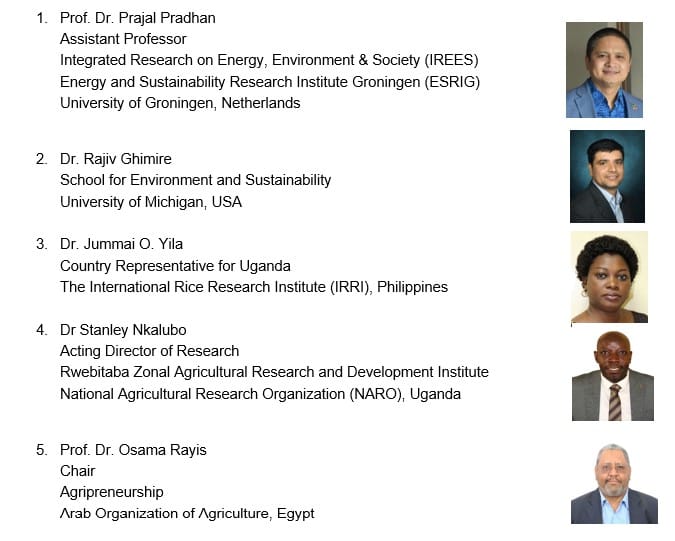
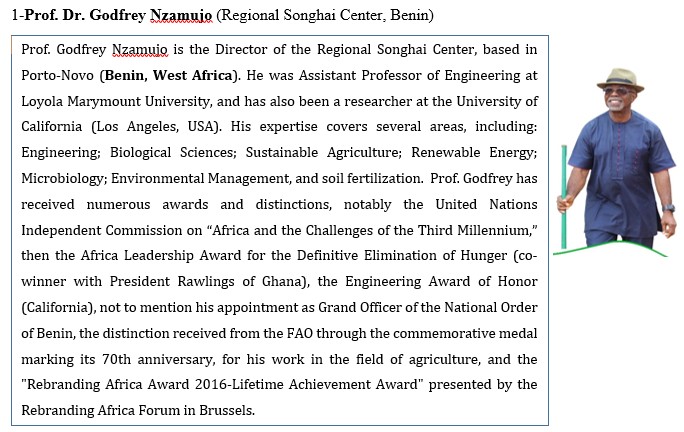
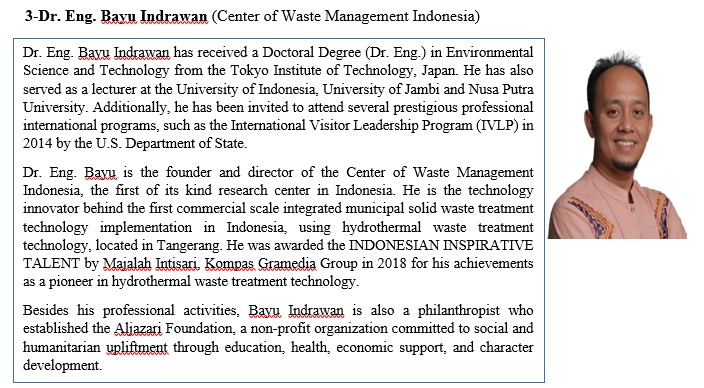
Speaker and Resource Persons of the ICTW-FSTCA 2025
The resource persons will consist of researchers, technology developers and heads of various agriculture research centers, who will deliver lectures on key areas of food system lifecycle and management.
List of Resource Persons
Local Hospitality:
Organizers will provide complete local hospitality (accommodation, meals, etc.) for international resource persons and selected international participants.
Travel Support:
Organizers will provide air travel support to resource persons and selected participants from OIC member countries travelling for the workshop.
Prof. Dr. Farhan Saif (SI, POP) Department of Electronics, Quaid-i-Azam University, Islamabad
Course Outline:
The OIC Ministerial Standing Committee on Scientific and Technological Cooperation (COMSTECH) is pleased to announce a five-day scholarly webinar series based on the internationally recognized book “Optical Forces on Atoms”, authored by Prof. Dr. Farhan Saif (Quaid-I-Azam University, Islamabad) and Prof. Shinichi Watanabe (University of Electro-Communications, Tokyo), and published by IOP Publishers (UK).
This series aims to introduce participants to the fundamental and advanced concepts of light–matter interaction, optical forces, dynamical characteristics of atoms and macroscopic quantum systems, and experimental advancements. The sessions will guide participants from the historical foundations of quantum theory to the latest developments in quantum control, and quantum tecchnologies.
Drawing upon the authors’ decades of research experience and pedagogical insight, the course combines conceptual depth with theoretical clarity to help participants develop a coherent understanding of this rapidly evolving field.
Learning Objectives:
By the end of this course, participants will be able to:
Develop a systematic understanding of optical fields and forces, ultracold atoms, and the quantum charateristics of the atoms in electromagnetic radiation.
Discuss experimentally available optical models relevant to ultra-cold atoms and light–matter coupling.
Understand quantum duality, coherence, and energy-band formation in controlling matter waves.
Explore applications of quantum and atom optics, complex dynamics, and their impact on emerging quantum technologies.
Strengthen research capacity in OIC member states through exposure to cutting-edge trends in quantum optics and nano-photonics.
This course is open to:
Graduate and postgraduate students in Electronics, Physics, Chemistry, Atom Optics, Quantum Optics, Nanoscience and Quantum Technology
Researchers, faculty, and professionals from academia, R&D laboratories, and high-tech industries
Research students and early-career scientists, and technologists
Policy and program officers involved in promoting advanced science and technology within OIC member countries
Course Modules:
Day 1: Historical Foundations and Quantum Field States
Evolution of quantum mechanics and quantum radiation
Introduction to field quantization and state types
Foundations of quantum radiation and field theory
Interaction of atoms and electromagnetic waves
Day 2: Optical Forces and Atomic Cooling
Mechanical action of light and optical trapping principles
Entanglement, scattering and cooling of ultra-low atoms
Atomic dynamics in optical gratings, and optical crystals
In a global context marked by environmental urgency, waste management has become a major strategic issue. Faced with the continuous increase in the volume of waste generated by human activity, new approaches are emerging, based on innovative transformations. Indeed, the difficulty of waste management stems in part from a combination of economic, technical, social, and environmental criteria, most of which are sensitive to the political and cultural contexts of the place and time.
However, far from being perceived simply as a burden, waste can now be considered a valuable resource that can fuel sustainable economic sectors. Thanks to technological advances such as chemical recycling, advanced methanization, and smart energy recovery, it is now possible to convert residual materials into energy, secondary raw materials, or high value-added products. Given that several countries have already successfully tested concrete examples; industrial waste recovery is a crucial issue for the least developed OIC member countries. Furthermore, innovation in waste processing is emerging as a key driver of a circular economy, combining environmental performance and economic dynamism by developing green industrial sectors and strengthening competitiveness through creativity.
Objectifs
List the difficulties associated with waste management and transformation in OIC member countries;
Discuss the strategies used by certain industrialized countries (with examples) for waste transformation;
Create a network of experts in industrial innovation for solid and liquid waste;
Provide recommendations for developing the waste transformation sector in OIC member states.
Target audiences:
Academics/researchers: Professors; PhD scholars and students in the field;
Industry professionals: plastic processing industries; agribusiness; natural gas production, etc;
Governments/Ministries of the Environment;
International organizations working in the domain of environment,
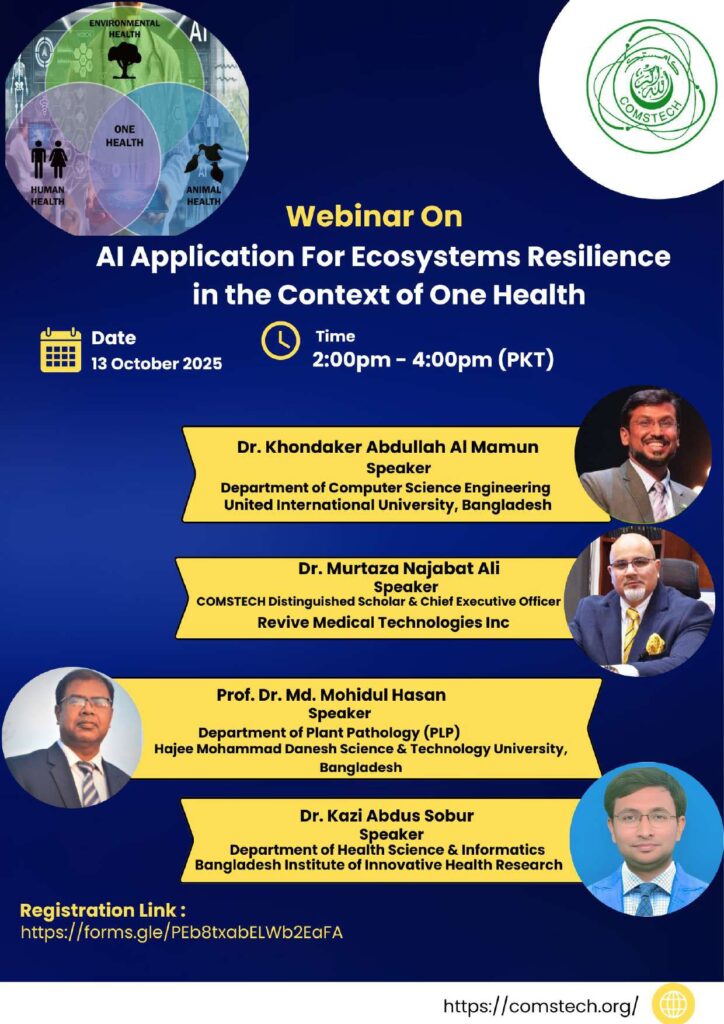
Abstract: Ecosystem degradation caused by unsustainable agricultural practices poses urgent risks to food security, biodiversity, and public health. The One Health framework recognizes the interconnectedness of human, animal, and environmental health, and Artificial Intelligence (AI) is emerging as a transformative tool to strengthen this approach. AI-driven applications from precision monitoring of soil and crop health to predictive models of climate risks offer practical solutions to reduce chemical inputs, enhance productivity, and safeguard ecological balance. Artificial Intelligence (AI) is increasingly becoming a transformative force in addressing the challenges of unsustainable agricultural practices, environmental degradation, and public health risks. This webinar will explore how AI-driven solutions can advance the One Health approach by integrating human, animal, and environmental health for a sustainable and resilient future. Webinar Objectives • Explore AI-driven approaches for ecosystem preservation and resilience • Initiate knowledge-sharing and dialogue with experts and participants • Promote collaboration among OIC member states in One Health innovation • Build capacity for AI literacy and adoption in agricultural and health practices Target audiences: Young Scholars, Health Sciences, PhD students, Ecosystems Sciences, and Environmental sciences, Policymakers, and scientists with expertise in data analysis, including NGO, to strengthen evidence-based solutions across the OIC member states.
Distinguished Speakers: Prof. Dr. Khondaker A. Mamun Professor, Department of CSE Director, MSCSE Program & IRIIC United International University, Bangladesh
Profile: Prof. Dr. Khondaker A. Mamun is a renowned professor, innovator, and entrepreneur specializing in computer and biomedical engineering. He earned his Ph.D. from the University of Southampton, UK, and later worked as a Postdoctoral Research Fellow at the University of Toronto and Bloorview Research Institute in Canada. Since 2014, he has been serving as a Professor of Computer Science & Engineering at United International University (UIU), Bangladesh. He is the Founder and Director of the Advanced Intelligent Multidisciplinary Systems Lab (AIMS Lab), where his team focuses on applying AI, big data, IoT, and brain-computer interfaces in healthcare, disabilities, and education. He has published over 130 international journal and conference papers and holds several patents for digital healthcare innovations. Prof. Mamun is also the Founder of CMED Health, a pioneering digital health startup serving more than 3 million people in Bangladesh and working toward SDG 3: Universal Health Coverage. His innovations, including Autism Barta and Bolte Chai, have won prestigious awards such as the National ICT Award, APICTA Award, Bangladesh Business Innovation Award, DBS-NUS Social Innovation Award, and SeedStars Global Innovation Award. Prof. Mamun research and innovations have been featured internationally in media such as BBC and New Scientist, cementing his reputation as a global leader in health technology and sustainable innovation.
Dr. Murtaza Najabat Ali Chief Executive Officer Revive Medical Technologies Inc, Pakistan.
Profile: Dr. Murtaza Najabat Ali is a renowned biomedical engineer, entrepreneur, and academic leader with over two decades of contributions to healthcare innovation. He currently serves as CEO of Revive Medical Technologies Inc. (USA) and Professor & Head of Biomedical Engineering at Riphah International University, Islamabad. After earning his Ph.D. and postdoctoral training at the University of Sheffield, UK, he returned to Pakistan with a mission to build the country’s first indigenous medical device industry. In 2007, with support from the Ministry of Science and Technology, he established a pilot facility that launched Pakistan into local cardiovascular device production. He later founded N-ovative Health Technologies (NHT), the country’s first state-owned medical device industry, licensed by DRAP and ISO 13485-certified. As Executive Director of the Medical Devices Development Centre (MDDC) at NUST, he led the development of four DRAP-approved cardiovascular products, reducing costs compared to imported devices. During the COVID-19 crisis, he pioneered Pakistan’s first indigenous ventilators and localized production of critical manufacturing equipment. In academia, he founded the Department of Biomedical Engineering & Sciences at NUST, establishing advanced labs and transferring technologies to industry. His portfolio includes 27 patents, 50+ international publications, and over 30 medical device prototypes. Dr. Ali’s leadership also extends to training engineers and researchers in specialized equipment and production technologies. His global recognition includes the Presidential Award, National Development Award, PEC Excellence Award, and the COMSTECH Distinguished Scholar Award. He has been instrumental in advancing research, innovation, and capacity building across OIC member states through the OIC-COMSTECH initiatives.
Dr. Md. Mohidul Hasan Professor, Department of Plant Pathology (PLP) Faculty of Agriculture, Hajee Mohammad Danesh Science & Technology University, Bangladesh
Profile: Dr. Md. Mohidul Hasan is a distinguished Professor in the Department of Plant Pathology at Hajee Mohammad Danesh Science & Technology University, Dinajpur, Bangladesh. He has made significant contributions to plant pathology and biotechnology through both teaching and research. Dr. Hasan earned his PhD in Biotechnology from Yeungnam University, Republic of Korea, in 2014. He also holds an MS in Plant Pathology (2004) and a B.Sc. in Agriculture (2000) from Bangladesh Agricultural University. His research focuses on molecular plant–microbe interactions and the formulation of biocontrol agents, aiming to advance sustainable agriculture. He has published 50 research works, including journal articles, conference papers, book chapters, and posters. He is actively involved in professional societies, serving on the Executive Committee of the Bangladesh Phytopathological Society and Bangladesh Society for Safe Food (2023–2025). He is a review editor for Frontiers in Microbiology and an editorial board member for the Universal Journal of Agricultural Research. Dr. Hasan holds life memberships in the Bangladesh Phytopathological Society and Bangladesh Society for Safe Food, demonstrating his long-standing commitment to research and professional development in plant pathology.
Dr. Kazi Abdus Sobur Department of Health Science & Informatics Bangladesh Institute of Innovative Health Research
Profile: Dr. Kazi Abdus Sobur is a distinguished professional whose career bridges microbiology, veterinary medicine, public health, and education. He holds an MS in Microbiology from Bangladesh Agricultural University and a Doctor of Veterinary Medicine (DVM) from Sher-e-Bangla Agricultural University. His expertise lies in zoonotic diseases, antimicrobial resistance, and vaccine development, reflecting his deep commitment to advancing One Health. Dr. Sobur has published 32 peer-reviewed research papers and contributed to projects at the Bangladesh Agricultural University Research System (BAURES), including the development of a Brucella vaccine. Currently, he is working as a Value Chain Facilitator in the Rural Micrometeorites Transforming Project, funded by IFAD and DANIDA, and hosted by Wave Foundation. He is also engaged as a researcher at Bangladesh Institute of Innovative Health Research (BIIHR). A member of the American Society for Microbiology (ASM) and the Bangladesh Science Society, Dr. Sobur combines scientific research with science communication, writing for platforms such as Somewhere in blog, Zero to Infinity, and Quora. His ability to make complex science accessible underscores his role as both a researcher and communicator, advancing knowledge in microbiology, veterinary medicine, and public health. Why Join? • Learn from pioneering researchers applying AI in agriculture, healthcare, and food safety • Understand how AI can address ecosystem degradation and global health threats • Engage in a multidisciplinary One Health dialogue with international experts • Network and collaborate with professionals across OIC member states
Zoom Link will be shared with the participants 1-2 days before the webinar. Website: https://comstech.org/ Be part of shaping AI-powered solutions for a healthier planet and resilient ecosystems!