Past Events

  • COMSTECH Webinar series; “Decreased morbidity and mortality due to Covid 19 pandemic in a BCG vaccinated Pakistani population. Implications for SARS COV2 vaccination strategies”

    Delivered by:

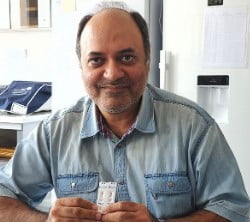
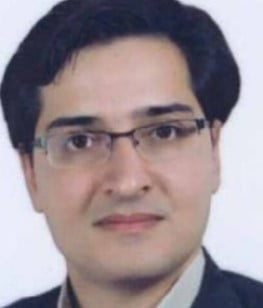
    Prof. Dr. Rabia Hussain PhD, FRC Path
    Professor and former Head of Microbiology Aga Khan University

    Date: 16th May 2023
    Time: 03:00 pm Pakistan Standard Time

    Introduction to the talk

    This talk will focus on BCG stimulated recall responses in the innate cellular network as well as detection of cross reactive antibodies to SARS COV 2 pre-pandemic in young Pakistani adults, the possibility of a link to the decreased mortality and disease severity observed in the Pakistani population, particularly in the young adult population. Such recognition of conserved epitopes may be used to develop a pan-vaccine strategy to combat future emergence of variant strains of COVID 19.

    Target Audience

    The webinar is open to students, researchers, young scientists, and academicians from the OIC member states and other countries with relevant background.

    Profile of the Speaker:

    Rabia Hussain is Ghulamali Hirji professor and former head of department of microbiology, Aga Khan University (AKU) in Karachi, Pakistan. She obtained her BSc (hons.) in 1966, MSc (microbiology) in 1967 at Karachi University, and PhD (immunology) at the University of Western Ontario, Canada, in 1973. She worked on characterization of Ascaris and Shistosoma allergens and then moved to human pollen allergies when she joined Johns Hopkins University. She subsequently moved to NIH as a senior staff fellow in Dr Eric Ottesen laboratory and did seminal work in identifying blocking antibodies to IgE responses in filariasis. Her paper on IgE responses in filariasis was declared the best paper by American Society of Nuclear Medicine. She was recruited to AKU to set up a State-of-the-Art-Immunology Laboratory and develop a program in Immunology of Infectious disease, a first in Pakistan in 1986, where she did outstanding work on Immunology of Mycobacterial disease. Her work has led to the early diagnosis and pathogenesis of leprosy and tuberculosis for which she received TWAS prize in Basic Medical Sciences, Research Excellence award by AKU, and has received National Civil Honours, Tamghe-i-Imtiaz and Sitara-e-Imtiaz. She was appointed National Distinguished Professor by the Higher Education Commission of Pakistan. She was elected life Patron of Pakistan Society of Immunology.  She is an elected fellow of The Royal College of Pathologist, The World Academy of Sciences, The Pakistan Academy of Sciences and The Islamic World Academy of Sciences. She is an elected council member of The International Leprosy Association, member the British Society of Immunology and the International Society of Infectious Diseases. She was also elected TWAS Council member and later Vice President, South and Central Asia, and ranked among the top ten Women Scientist in the Muslim world by the OIC, and top fifty in Asia by AAASA. She was recently appointed Professor Emeritus at The Aga Khan University. Currently her citation Index=7378, h-Index=50 and iL10=129.

    Flyer of webinar:  Link

    Abstract of the talk: Link 

    Register at: https://forms.gle/wQxhoZpsBCmgBLup7

    Zoom link for participation will be shared selected participants.

    For more information please contact;
    Email: Khazima@comstech.org ; maham.yamin@comstech.org

    Phone No: 92 51 9220681-3

  • COMSTECH Distinguished Scholar Webinar: “Publication in High Impact Journals”

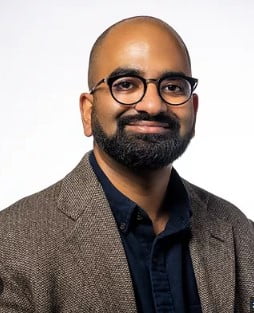
    By Prof Dr Corina Joseph, Professor, Faculty of Accountancy, Universiti Teknologi MARA Cawangan Sarawak, Sarawak, Malaysia.

    Date: 25-05-2023
    Time: 3:00 PM Pakistan Standard Time; 6:00PM Malaysia Time

    Abstract:

    The webinar aims to share the speaker’s experiences publishing in high-impact factor journals. At the end of this webinar, participants are expected to:

    • Understand the submission process
    • Identify the publication outlets
    • Comprehend the paper structure
    • Prepare the paper
    • Deal with the review process
    • Familiar with the online submission system

    For Registration: https://forms.gle/2AjoiVEChgZV2Ev69

    E-certificates will be issued upon complete participation.

    Profile of Speaker:

    For any queries:

    Muhammad Haseeb Ahmad
    Program Officer
    COMSTECH
    Haseeb.ahmad@comstech.org

  • The Sino – COMSTECH Collaboration Initiative

    Flyer: Click Here

    Date: Thursday, 27th April 2023 (Hybrid event)
    Time: 1100 hours (Pakistan Standard Time)

    A high level delegation of Chinese scientists and Industrialists will be visiting COMSTECH secretariat to sign a Memorandum of Understanding to promote cooperation for research and development in the fields of natural products, biotechnology, molecular and cell biology and traditional medicine through institutional and industrial linkages. The MoU will help strengthen academic and research initiatives between the People’s Republic of China and the OIC member states.

    This signing ceremony shall be accompanied by series of key talks on the subject by scientists, and representatives of pharmaceutical industries in China. 

    Who Should Attend?

    Early stage researchers, relevant personnel from the research Laboratories and industries.

    Travel & Local Hospitality:

    No TA/DA applicable for this event

    Event Program: link

    Registration link: https://forms.gle/QETKDZME1EssXKMN8

  • COMSTECH-SMIIC Training Courses on “OIC/SMIIC Halal Products Standards and Testing”

    Jointly Organized by COMSTECH and
    The Standards and Metrology Institute for Islamic Countries (SMIIC) in collaboration with Islamic University of Technology (IUT), Bangladesh.
    Venue: Islamic University of Technology (IUT), Bangladesh
    Date:25-29 September, 2023

    Introduction

    In view of the diversity of several products, including processed food and other items of daily use in the present day, authentication and confirmation of their Halal nature is a growing challenge globally. Beside the environmental contaminants, both biological and chemical, addition of non-halal ingredients, which is prohibited for Muslims, are a matter of concern.  In recent years, awareness about Halal food and products has increased due to the cross contamination of several industrial products in our daily life. However, with increasing globalization, many Islamic countries import these products (or ingredients) from places which do not observe the Islamic religious laws. It is therefore, imperative for the Muslim countries to establish Halal testing laboratories which will ensure the ‘Halal’ status of the consumer products.

    COMSTECH, SMIIC and other OIC institutions/organizations have been mandated by the Abu Dhabi Declaration (Second OIC Summit on Science & Technology, June 2021) to develop the capacity of Least Developed Countries of the OIC relevant to Halal (Clause # 32).

    Course Objectives

    The objective of this training courses is to encourage the harmonization of Halal Standards used in the OIC Countries and internationally by aiding in the adoption and use of the OIC/SMIIC Halal Standards. The training course is designed to train the participants from regarding the procedures for adoption, implementation and use of the OIC/SMIIC Halal Food Standards, mainly:

    1. OIC/SMIIC 1:2019 – General Requirements for Halal Food
    2. Auditing of Testing Labs in line with OIC/SMIIC 35 – Conformity Assessment – General Requirements for the Competence of Laboratories Performing Halal Testing.
    3. the Testing Procedures standards such as Test Method for detection of porcine in Food Products (meat, processed food and gelatin) which are being chosen at SMIIC TC1 Technical Committee for Halal food issues.

    The aim is to transfer knowledge and skills, and to develop the human capital, while bridging the knowledge gap and enlightening the compliance requirements set forth by the regulatory bodies in the OIC Countries.

    Practical session: The first 3 days will consist of lectures which will can also be attended via zoom. This will be followed by a practical session of 2 days which will be conducted for a limited number of selected participants to transfer hands-on knowledge in halal laboratory testing methods. 

    In regards to the practical training program, participants should fulfill the following criteria:

    • Chemists, Researchers and Test Specialists high level, no beginners
    • At least 3 years of practical experience in Real-Time PCR
    • Able to converse and write in the English language
    • Hold a permanent position at their institute
    • Daily work with the measuring equipment
    • Good knowledge in GLP.
    • Age between 27 – 45 years old
    • Had not previously participated in any course under SMIIC and COMSTECH
    • Number of participants is limited and selection is based on the relevancy of the applicant’s job scope to the objective of the programme.

    Who Should Attend?

    The training course is designed to address the interest of scientists, research scholars, government officials, statutory policymakers, enforcement officers, and food safety auditors in OIC/SMIIC Halal Products Standards and Testing.

    Travel & Local Hospitality:

    COMSTECH will arrange local hospitality for all selected participants. Travel support may be provided to limited number of international participants.

    Registration Process:

    1. For physical participation register at the following link: Registration Closed.
    2. For virtual participation register at the following link: https://forms.gle/c7PrQH5S5LT6FfYGA
    3. Read instructions in the application form carefully and submit a properly filled form along with your CV. Foreign participants must submit a scanned copy of passport.
    4.  Selected candidates will be notified through email; hence, applicants are required to check their emails regularly.

    Workshop Coordinators:

    Muhammad Haris Akram
    Program Manager
    COMSTECH, Islamabad.
    Email: haris@comstech.org
    Phone: +92 51 9220681

    Muhammad Haseeb Ahmad
    Program Officer
    COMSTECH, Islamabad.
    Email: Haseeb.ahmad@comstech.org
    Phone: +92 51 9220681

  • International Training Workshop on “Addressing Challenges of Food Security in the Sahel”

    Date:  15-19 May 2023.
    Venue: AGRHYMET Regional Centre, Niamey, Niger

    Organized by COMSTECH in collaboration with CILSS, ICESCO, and IoFS

    The Workshop is organized by the Ministerial Standing Committee for Scientific and Technological Cooperation (COMSTECH) of the Organization of Islamic Organization (OIC), in collaboration with Permanent Interstate Committee for Drought Control in the Sahel (CILSS), Islamic World Islamic World Educational, Scientific and Cultural Organization (ICESCO), and Islamic Organization of Food Security (IoFS).

    Convened by: COMSTECH Forum for Environment and Ecosystem Restoration (CFEER)

    Introduction

    Global demand for food continues to grow as world population is rising. Meanwhile, according to the Food and Agriculture Organization (FAO) more than 820 million people across the world are suffering from hunger as of 2021. This is against the backdrop of the drastic impacts on agricultural lands. IPCC estimates that agricultural land productivity has decreased by 21% due to high temperatures and extreme rainfalls.

    Climate change impacts have adversely impacted the agriculture sector. Food insecurity is increasing. It is important that there should be greater focus on the need to enhance agricultural productivity, develop resilient agriculture, reduce food loss and waste and undertake measures to find solutions for promoting sustained food security.

    Food Crisis in the Sahel

    Sahel region of West Africa is currently facing an unprecedented food and nutrition crisis. Sahel has cycled into periods of famine from unstable agriculture caused by drought. If appropriate measures are not taken, hunger and malnutrition could affect more than 38 million people.

    Deteriorating food situation is caused by multiple factors including climate change, land degradation, conflict, and impacts of COVID-19 pandemic. High food prices, conflict and displacement have driven millions of people into acute hunger and malnutrition. Border areas of central Sahel and Lake Chad are most affected. Largest number of people facing emergency levels of food shortages are in -Burkina Faso, Chad, Mali and Niger- according to the UN.

    Food security crisis in the Sahel is expected to be a protracted one. Over 60 percent of the population in the Sahel is aged 25 or younger, making it is critical to address the region’s food crisis, so that the next generation can survive and thrive.

    The unprecedented food crisis in the Sahel offers the opportunity to address the root causes of food insecurity and to develop food and agricultural systems that are less dependent on external shocks by strengthening local agriculture to be more productive. Hence, it is imperative to improve food systems and resilience to prevent recurrence of food insecurity episodes.

    Potential Solutions

    Potential solutions to combat food insecurity include actions that are generating jobs and raising incomes in food systems; building effective early warning systems, and capacity for prevention of crop and livestock pests and diseases; and improving agricultural markets and natural resource management.

    Climate-Smart Agriculture activities include increasing food production and enhancing food system resilience to climate change. Additional measures could include adoption of sustainable land and water management practices, agricultural technologies to drought tolerant crop varieties, improving post-harvest management practices, adoption of resilient agricultural technologies and drought-tolerant crop varieties.

    Objectives of the Training

    The objective of the training is to focus on sustainable solutions to combat food insecurity and malnutrition. Major challenges of food security will be addressed for concerted efforts to establish sustainable food systems. It will empower policy makers to make better decisions on adopting agro-ecological practices and sustainable actions to improve agricultural productivity.

    Deliverables of the Workshop

    The training modules will include:

    • Sustainable Use of Water Resources
    • Enhanced Agriculture Productivity
    • New Breeding Technologies
    • Climate Smart Agriculture

    Outcomes

    Sahel region is suffering from decreased yields and weather events such as drought and desertification. The workshop aims to enhance resilience of small-scale food producers shift to climate resilient agriculture, adoption of native resilient crops, achieve higher productivity, minimize waste across the agricultural value chain, adoption of technological solutions to have higher productivity of crops and reduce reliance on imported food.

    Target Audience

    The workshop will target trainees from OIC member countries of CILSS dealing with agricultural matters, and members of farming communities.

    Workshop is proposed for five days. Three days of lectures, hands on training and interactive sessions followed by two days of consultations and field visits.

    Training workshop is an imitative of COMSTECH Forum for Environment and Ecosystem Restoration (CFEER) to foster knowledge and experience sharing, good, practices develop partnerships among scientist, academics, researchers and capacity building programs on issues relating to climate change and ecosystem restoration.

    List of OIC Member Countries of CILSS

    1. Benin
    2. Burkina Faso
    3. Chad
    4. Ivory Coast
    5. Gambia
    6. Guinea
    7. Guinea – Bissau
    8. Mali
    9. Mauritania
    10. Niger
    11. Senegal
    12. Togo

    Travel & Local Hospitality

    The organizers will provide accommodation and meals for selected participants from OIC member countries of CILSS. Travel grants are not available. Airport pick- and- drop service on arrival and departure will be provided to all international participants upon prior information.

    Registration Process

    Step 1: Open online registration form: https://forms.gle/Wp2wV5ugwC4SPZ6p8

    Step 2: Open Physical registration form: https://forms.gle/RfN8XVy4s5q6ZTwe9

    Step 3: Read instructions in the application form carefully and submit a properly filled form along with your CV. Foreign participants must submit a scanned copy of passport.

    Step 4: Selected candidates will be notified through email; hence, applicants are required to check their emails regularly.

    Workshop Coordinator 
    Mr. Muhammad Haris Akram
    Programme Manager, COMSTECH             
    Email: haris@comstech.org

  • COMSTECH – THE UNIVERSITY OF JORDAN TRAINING WORKSHOP II

    Cancer Genetics and Signal Transduction Workshop
    15-16 March 2023
    University of Jordan Hallaiqa Hall / Chemistry Department

    Introduction of the Speaker : Click Here

    Program Details: Click Here

    For Registration: Click Here

    The Cancer Genetics and Signal Transduction Workshop is a two-day event that will provide attendees with a comprehensive overview of two key areas of cancer research.


    Day-1-Morning: The first day of the workshop will focus on Cancer Genetics, and the morning session will begin with a three-hour session covering an introduction to the topic. This will include an overview of the basic principles of cancer genetics, including the classification of cancers, oncogenes, tumor suppressor genes, epigenetics, and miRNA. Attendees will gain a thorough understanding of the genetic basis of cancer and the mechanisms that lead to the development of the disease.


    Day-1 Afternoon: The afternoon session of the first day will be a two-hour session dedicated to the relationship between diet and cancer gene regulation. This session will explore the impact of nutrition on gene expression and how dietary factors can influence cancer development. The session will be interactive, with attendees invited to ask questions and participate in discussions.


    Day-2 Morning: The second day of the workshop will be dedicated to Signal Transduction, a key area of cancer research that focuses on the processes by which signals are transmitted within cells. Attendees will learn about the different types of receptors, including G-protein receptors, tyrosine kinase receptors, and non-tyrosine kinase receptors. The session will also cover second messengers, such as cAMP, G=GMP, Ca2+, IP3, and DAG, and transducers, including kinases, STAT, JAK pathways, and transcriptional factors. This comprehensive overview of signal transduction will provide attendees with the knowledge needed to understand the complex cellular signaling pathways that contribute to cancer development.


    Day -2 Afternoon: The afternoon session of the second day will be dedicated to tissue culture. Attendees will learn about primary cell lines, cancer cell lines, adherent cancer cells, and non-adherence cells. The session will cover the basics of cell culture, including the techniques and tools used to maintain cell lines in the laboratory. Attendees will have the opportunity to practice the techniques and learn from experienced researchers in the field.
    The Cancer Genetics and Signal Transduction Workshop is an ideal opportunity for researchers, clinicians, and students to gain a comprehensive understanding of two key areas of cancer research. Attendees will learn from experienced researchers, participate in interactive discussions. By the end of the workshop, attendees will have the knowledge and skills needed to contribute to cutting-edge research in the field of cancer biology.

    KEY OBJECTIVES:
    ➢ To provide attendees with a comprehensive overview of the basic principles of cancer genetics, including the classification of cancers, oncogenes, tumor suppressor genes, epigenetics, and miRNA.
    ➢ To help attendees understand the relationship between diet and cancer gene regulation, including how dietary factors can influence cancer development.
    ➢ To provide attendees with a comprehensive overview of signal transduction, including the different types of receptors, second messengers, and transducers.
    ➢ To provide attendees with hands-on experience in tissue culture techniques, including the maintenance of primary cell lines, cancer cell lines, adherent cancer cells, and non-adherence cells.
    ➢ To encourage discussions and interactive sessions among attendees, where they can ask questions and share their insights.
    ➢ To help attendees gain a deeper understanding of the complexities of cancer biology and the latest research trends in the field.
    ➢ To enable attendees to develop new skills and knowledge that they can apply to their research, clinical work, or studies in the field of cancer biology.
    Overall, the objectives of the Cancer Genetics and Signal Transduction Workshop are to provide attendees with a comprehensive and interactive learning experience that equips them with the knowledge and skills needed to contribute to cutting-edge research in the field of cancer biology.
    TARGET AUDIENCE:
    The Cancer Genetics and Signal Transduction Workshop is designed for a range of professionals, researchers, and students in the field of cancer biology, including:
    ➢ Researchers: The workshop will provide researchers with a comprehensive overview of cancer genetics and signal transduction.
    ➢ Clinicians: Clinicians who specialize in cancer treatment will benefit from a deeper understanding of cancer genetics and signal transduction, which can help inform their treatment decisions.
    ➢ Graduate Students: Graduate students who are studying cancer biology or related fields will benefit from the comprehensive overview of cancer genetics and signal transduction. The workshop will also provide them with hands-on experience in tissue culture techniques, which can be useful for their research projects.
    Overall, the target audience for the Cancer Genetics and Signal Transduction Workshop includes anyone who is interested in learning about the latest research trends and techniques in the field of cancer biology, including researchers, clinicians, and students.

  • COMSTECH Course on“Science Diplomacy and Sustainability”

    Date:- Monday 6, March 2023 09:00 am (PKT)
    Venue:- COMSTECH Secretariat Islamabad

    Introduction of the SpeakerClick Here

    Course Introduction: Click Here

    Program Details: Click Here

    For Registration:

    https://forms.gle/CP5Gz7KFVFEXsePu5

    1- Physical Registration (RWP/ISB Only: No Accommodation/ Transport will be provided): (Closed)

    2- Online Participants Registration (Open)

    3- Read instructions in the application form carefully and submit a properly filled form.

    4- Selected candidates will be notified through email; hence, applicants are required to check their emails.

    Mr. Muhammad Ameen Kalroo
    Executive Secretary
    COMSTECH, Islamabad.
    ameen@comstech.org

    Muhammad Jamil
    Personal Secretary
    COMSTECH, Islamabad.
    mjamil@comstech.org

  • COMSTECH Public Lecture on Precision Oncology: Fact or Fiction?

    Date: March 09, 2023 Time: 2:00 PM (PKT)
    Venue: COMSTECH Secretariat, Islamabad. (Hybrid Event)

    Abstract of the talk : Click Here

    For Registration:

    1- Virtual Registration: https://forms.gle/89fupCRf6Xsp4Mhd8

    2- Physical Registration (RWP/ISB Only: No Accommodation will be provided): https://forms.gle/fxocaK81iCqhfDfc6

    3- Read instructions in the application form carefully and submit a properly filled form.

    4- Selected candidates will be notified through email; hence, applicants are required to check their emails.

    For Any Queries:

    Muhammad Haseeb Ahmad
    Program Officer
    COMSTECH, Islamabad.
    haseeb.ahmad@comstech.org

  • International Workshop on “Laboratory Safety & Security Management”

    Organized by University of Sargodha in Collaboration with COMSTECH
    and International Center for Chemical and Biological Sciences (ICCBS), Karachi

    15-16 March 2023
    Venue: MFKNBS-Hall, University of Sargodha
    Deadline for Applications: March 01, 2023

    Program Flyer: Click Here

    Introduction

    The Islamic world is very diverse, comprising of many developing countries, which are still in need of awareness and knowledge regarding the latest scientific research techniques. The current scientific research topics touch many fields of expertise requiring interdisciplinary expertise. In this scenario, researchers, scientists working in all fields of natural sciences have to indulge themselves in research techniques from other disciplines to produce authentic and reliable research.

    The work carried out in laboratories around the globe continues to enable important advances in science and engineering. The laboratories have become the center for acquiring knowledge and developing new materials for future use, as well as for monitoring and controlling those chemicals currently used routinely in thousands of commercial processes. The chemicals and equipment used today are beneficial, but simultaneously have the potential to damage human health, the environment, equipment, and the property.

    A new culture of safety and security consciousness, accountability, has developed in organizations, and educational institutions around the world. Particularly, the laboratories of the chemical industry, government, and academia have developed special procedures and equipment for handling and managing chemicals and equipment safely and securely.Realizing the importance of Laboratory Safety & Security Management, a one-day program has been planned focusing on the subject.

    Objective

    The program focuses on lectures being delivered by expert, eminent scholars/researchers in the area of Laboratory Safety & Security Management, aimed at building concepts, enhancing critical thinking, and developing understanding of the subject at undergraduate, graduate, and post-graduate levels.

    Laboratory Safety & Security Management has critical role for staff, faculty, researchers and students working in a Chemical Laboratory. The program is designed aimed to get understanding on how to protect their health including laboratory assess and environment, enhancing efficiency and productivity.

    Target Audience:
    Scientists, Researchers, Lab supervisors, from the OIC countries.

    Key Contents:
    The workshop will cover the following topics:

    • Behavior Based Safety
    • Role of Communication in Safety
    • Good Lab. Practices (GLP)
    • Selection and Use of Personal Protective Equipment (PPE)
    • Importance and Understanding Safety Data Sheets Importance
    • Lab. Waste Management& Safe disposal
    • Emergency Response Planning
    • Emergency Response Planning
    • Laboratory Security
    • Training of Trainers program

    About the Speaker

    Mr. Khalid Latif is a dynamic executive with over 35 years of experience in multi-national companies. He earned Master’s Degree in In-organic Chemistry from University of Karachi.

    Participated in various professional training courses and medium-term assignments/ project from manufacturing facilities of parent companies in Europe and Asia Pacific countries.

    During his professional career, he achieved success in following

    • Lowering cost and improving delivery of products to the customer using moderns supply chain concepts
    • Vendor development and evaluation on the basis of their cost and efficiency
    • Quality. Safety and Manufacturing Excellence projects.

    Under Academia-Industry interaction seminar series, he delivers lectures on various Technical, HSE, and Soft Skills Development in various Universities in Pakistan.

    Currently Mr. Khalid Latif is working an Entrepreneur and Associate Consultant with:

    • Fonder & Director at KL- Technical | HSE Consultants (Self-Employee)
    • Senior Trainer & Consultant at OSHES Pakistan (Associate Partner)
    • Technical Consultant at Optimum Advisory (Associate Partner)
    • HSE Consultant at Right End Consulting (Associate Partner)

    Registration Process:

    Step 1: For Virtual registration: https://forms.gle/AWdu2Yj1ut2VoGQ26

    Step 2: Read instructions in the application form carefully and submit

    Step 3: Selected candidates will be notified through email; hence, applicants are required to check their emails regularly.

    Venue:

    The workshop will be held at the University of Sargodha. Sargodha is the 12th largest city of Pakistan and known for largest kinnow-producing district of the world. It produces oranges that are considered high-quality, and supplies them to the different parts of the country. These oranges are also exported to other countries.

    Technical Focal Persons

    Professor Dr. Zaheer Ul-Haq
    In charge Safety and Security
    Dr. Panjwani Center for Molecular Medicine and Drug Research
    International Center for Chemical and Biological Sciences
    University of Karachi

    Workshop Coordinators

    • Dr Yasir Nawaz Manj
      Associate Professor/Focal Person
      International Collaboration/Global Engagement
    • Muhammad Haris Akram
      Programme Manager
      COMSTECH
  • COMSTECH-NAPRECA; Webinar on Recent Advances in Nuclear Magnetic Resonance Spectroscopy

    Date: 20th February 2023

    Time:
    9:00-10:30 (Cairo Local Time),
    12:00-13:30 (Karachi Local Time),
    16:00-17:30 (Tokyo Local Time)

    Nuclear magnetic resonance spectroscopy is a technique that detects the chemical environment of atomic nuclei by the absorption of radio-frequency electromagnetic radiation when in the presence of a high magnetic field. NMR is used in chemistry and related fields for high-resolution molecular structure determination and the study of molecular dynamics. Apart from determining the molecular structure, NMR spectroscopy can also determine phase changes, conformational and configurational alterations, solubility, and diffusion potential

    NMR spectroscopy has undergone a remarkable development in the past few decades, and has several important applications. Medical practitioners, for example, employ magnetic resonance imaging (MRI), a multidimensional NMR imaging technique, for diagnostic purposes. Similarly, NMR is useful in drug discovery due to its ability to directly observe chemical compounds and target biomolecules, and can be used for ligand-based and protein-based approaches.

    With this background, COMSTECH in collaboration with the NAPRECA is organizing a one-day webinar on “Recent Advances in Nuclear Magnetic Resonance Spectroscopy”

    Target Audience: Professionals/Early stage researchers with relevant background,NMR scientists especially those working in natural product chemistry.

    Webinar Program: Click here

    Registration Link: Click Here

    Speakers Biography: Click Here

    Mode of lecture: Online only (through Zoom link)

    Registration outcome will be shared through email, therefore, please give your valid email address. Participants will receive E-certificates.

    Contact persons:

    Ms. Khazima Muazim, Programme Manager, khazima@comstech.org
    Ms. Maham Yamin, Programme Officer, maham.yamin@gmail.com
    Dr Sameh AbouZid, Professor of Pharmacognosy, Heliopolis University, sameh.fekry@hu.edu.eg

Back to top button