webinar

  • COMSTECH Webinar on Hemicalide, a complex marine natural product with strong biological activity: structure and synthesis

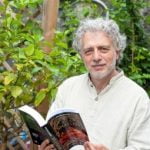
    Prof. Dr. Georges Massiot
    Emeritus Research Director
    Université de Reims Champagne-Ardenne,
    France

    Date: 29th November, 2021
    Time: 03.00 pm (Pakistan Standard Time)

    Abstract

    Hemicalide is a complex marine natural product, rich of 21 asymmetric centers with high biological activity. It is cytotoxic at a subnanomolar level with an original mode of action. Usual structural elucidation techniques (MS and NMR) allowed to propose a flat formula for hemicalide but it remained to decide which of the 1 million+ isomers best fitted the structure. This could only be approached by synthesis of fragments, many of which required original solutions. The story of hemicalide spans over more than 10 years and was made possible by the dedication of several groups of biologists and chemists from academy and industry. The lecture will give an account of this enterprise pointing out difficulties and benefits.

    Target Audience

    The webinar is open to students, researchers, young scientists, and academicians  from the OIC member states and other countries.

    Profile of the Speaker:

    • Graduated from the Ecole nationale Supérieure de Chimie de Paris 1970
    •  PhD Thesis at the institut de chimie des substances naturelles, Gif /Yvette, under the direction of Pr Henri-Philippe Husson, 1975.
    • postdoctoral position at the University of Wisconsin, Madison, 1975-1977 under Pr B. M. Trost.
    • CNRS positions from 1977 to 1998, Faculty of Pharmacy-Reims.
    •  Deputy director of the CNRS Department of Chemical Sciences, Paris, from 1992 to 1998
    •  Directeur of the Centre de Recherche sur les Substances Naturelles (natural products research center), Pierre Fabre from 1998 to 2010.
    • Emeritus research director at the university of Reims Champagne Ardennes since 2013
    • Fields of interest : natural products, separation, structural elucidation, nuclear magnetic resonance, partial and total chemical synthesis.
    • Alkaloids, terpenes, saponins, sugars
    • Author and co-author  of 225 scientific publications, 5 patents and 5 book chapters.
    • Promotor of 15 PhD theses
    • Miscellaneous : member of the board and of the scientific council of the University of Reims (1980-1992)
    • Chairman of the scientific council of the faculty of pharmacy of Reims (1985, 1990)
    • Chairman of the board of administrators of the Ecole Nationale Supeieure de Chimie de Paris
    • Knight in the National Order of Merit (1997).

    Flyer of webinar:  Attached

    Registration Link: https://forms.gle/TcuYTgoXoS8dtBuZ7

    Procedure to join:

    Zoom link for participation will be shared selected participants.

    Address: COMSTECH Secretariat, 33-Constitution Avenue, G-5/2, Islamabad 
    Phone No. : 92 51 9220681-3
    Email: Khazima@comstech.org ; comstech@comstech.org
  • COMSTECH Webinar on “Technological Trends For Beyond 5G Networks”

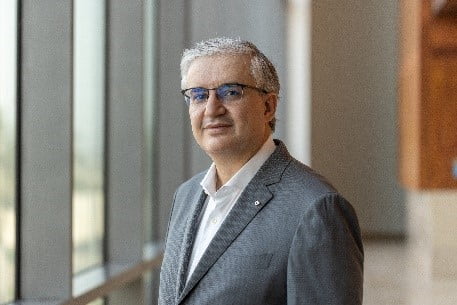
    Prof. Dr. Mohamed-Slim Alouini
    Distinguished Professor
    Electrical and Computer Engineering
    King Abdullah University of Science and Technology (KAUST),
    The Kingdom of Saudi Arabia.

    Date and Time: December 9, 2021 from 15:00-16:30 (Pakistan Standard Time)

    Overview:

    It goes without saying that there is a huge dissymmetry in global internet connectivity. Around half of the world’s population (or about 4 billion people) does not have boroadband connectivity, and it is expected that 5G (in it current initial deployment stages) will further accentuate this “global connectivity divide”.

    Furthermore, the Covid-19 pandemic has highlighted the fact that the “global connectivity divide” is in a way becoming one of the modern faces of inequality by deepening the economic and social unbalances between the ‘Haves’ and ‘Have Nots’ in a digital context. Hence, to achieve digital inclusiveness, there is a need of developing and deploying new technological solutions that help in connecting the unconnected/under-connected in an affordable manner.

    In this context, this webinar aims to:

    • Provide an envisioned picture of 6G
    • Serve as a research guideline in the beyond 5G era
    • Go over the recently proposed solutions to provide high-speed connectivity in under-covered areas in order to serve and contribute to the development of far-flung regions.

    Target Audience:

    The webinar is open to students, researchers, young scientists, and academicians  from the OIC member states, and other countries.

    For Registration please visit: https://forms.gle/D9HUsLxQMEro6KAg9

    Procedure to Join:  Zoom link will be shared with selected participants via email.

    Profile of Speaker:

    Prof. Dr. Mohamed-Slim Alouini was born in Tunis, Tunisia. He received the Ph.D. degree in Electrical Engineering from the California Institute of Technology (Caltech), USA, in 1998.

    He served as a faculty member at the University of Minnesota then in the Texas A&M University at Qatar before joining the King Abdullah University of Science and Technology (KAUST) in 2009, where he is now a Distinguished Professor of Electrical and Computer Engineering.

    Prof. Alouini is a Fellow of the IEEE and of the OSA. He is currently particularly interested in addressing the technical challenges associated with the uneven distribution, access to, and use of information and communication technologies in far-flung, rural, low-density populations, low-income, and/or hard-to-reach areas.

    Webinar Coordinator:

    Muhammad Haseeb Ahmad
    Program Officer
    COMSTECH, Islamabad.
    Email: Haseeb.ahmad@comstech.org
    Phone: +92 51 9220681

  • COMSTECH Webinar on “Escherichia coli as a Model Organism”

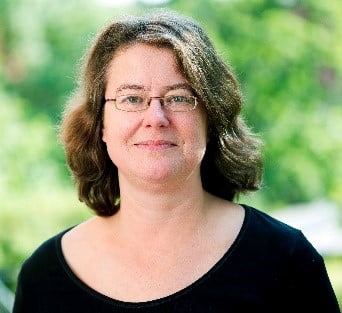
    Prof. Dr. Ute Römling
    Professor
    Department of Microbiology, Tumor and Cell Biology Karolinska Institutet, Stockholm, Sweden

    Date and Time: November  11, 2021 from 15:00-17:00 (Pakistan Standard Time)

    Overview:

    The bacterium Escherichia coli is one of the most well-investigated bacteria due to its occurrence in almost every human, along with being one of the major pathogens for humans. However, little is known about E. coli as a commensal, despite the fact that E. coli K-12 is a laboratory model organism. In this Webinar, Prof. Römling will analyze her research finding of a recent E. coli K-12 clonal member in post-industrial human beings.

    Target Audience:

    The webinar is open to students, researchers, young scientists, and academicians  from the OIC member states and other countries.

    For Registration please visit:  https://forms.gle/bwzKk8XC1623aqHt6

    Procedure to Join:  Zoom link will be shared with selected participants

    Profile of Speaker:

    Prof. Dr. Ute Römling is Professor of Medical Microbial Physiology at the world famous Karolinska Institutet in Stockholm, Sweden. Her research focuses on the molecular mechanisms of biofilm formation mainly in Enterobacteria such as Salmonella typhimurium and persistence mechanisms of Pseudomonas aeruginosa world-wide spread clone C.

    Prof. Romling has 129 publications, 43 peer-reviewed reviews, 2 peer-reviewed protocols, 10 popular-scientific publications, 15 book chapters and 1 book editorial. Among others, she has received research grants from the Swedish Research Council, ALF Foundation, European Commission and the German Research Foundation.

    In 2000, she received the Young Investigator Award for Research in Clinical Microbiology and Infectious Diseases from the ESCMID (European Society of Clinical Microbiology and Infectious Diseases). Furthermore, Prof. Romling has been an Associate faculty at the International Center for Chemical Biology and Sciences, University of Karachi, Pakistan since 2016. She is a member of The European Academy of Microbiology since 2017, has been selected for AcademiaNet in 2016 and is a Member of USERN since 2020.

    Webinar Coordinator:

    Muhammad Haseeb Ahmad
    Program Officer
    COMSTECH, Islamabad.
    Email: Haseeb.ahmad@comstech.org
    Phone: +92 51 9220681

  • COMSTECH BASIC SCIENCES PROGRAMME: Webinar on “EUHFORIA 2.0: European Heliospheric Forecasting Information Asset”

    Prof. Dr. Stefaan Poedts
    Professor/Chair
    Department of Mathematics KU-Leuven University, Belgium.

    Date & Time: 16 November, 2021 at 15:30 – 17:00 Hrs. (Pakistan Standard Time)

    Overview:-

    The EU Horizon 2020 project “EUHFORIA 2.0” aims at developing an advanced space weather forecasting tool, combining the MHD solar wind and CME evolution model EUHFORIA with the Solar Energetic Particle (SEP) transport and acceleration model PARADISE.

    This webinar will first introduce EUHFORIA and PARADISE and then elaborate on the plans of the EUHFORIA 2.0 project which will address the geo-effectiveness of impacts and mitigation to avoid (part of the) damage, including that of extreme events, related to solar eruptions, solar wind streams, and SEPs, with particular emphasis on its application to forecast Geomagnetically Induced Currents (GICs) and radiation on geospace.

    The EUHFORIA 2.0 project started on 1st December, 2019, and yielded some results. These concern alternative coronal models, the application of adaptive mesh refinement techniques in the heliospheric part of EUHFORIA, alternative flux-rope CME models, evaluation of data-assimilation based on Karman filtering for the solar wind modelling, and a feasibility study of the integration of SEP models. The novel tool will be accessible by the whole space weather community via the ESA Space Weather Service Network as it will be integrated in the Virtual Space Weather Modelling Centre (VSWMC), which is part of that network.

    Target Audience

    The webinar is open to students, researchers, young scientists, and academicians from the OIC member states, and other countries.

    For Registration please visit  https://forms.gle/Ui82NU5LyT8bsoBk7

    Procedure to Join:  Zoom link will be shared with selected participants

    Profile of Speaker

    Professor Stefaan Poedts is Full Professor (Gewoon Hoogleraar) and is Chair of the Department of Mathematics at KU-Leuven University, Belgium. He has been conducting research in several areas of solar physics and plasma dynamics, including space weather, coronal heating, coronal mass ejection, solar wind, computational MHD, dusty plasmas, inhomogeneous flows in plasmas, waves and instabilities etc. He has published 379 research papers in reputed international journals with h-index 38 and more than 6000 citations. He has won several awards and honors. He has co-authored three books on plasma physics. He is the Principal Investigator of the project EUropean Heliospheric FORecasting Information Asset (EUHFORIA 2.0).

    Webinar Coordinators

    Muhammad Haris Akram
    Program Manager
    COMSTECH, Islamabad.
    Email: haris@comstech.org
    Phone: +92 51 9220681

    Muhammad Haseeb Ahmad
    Program Officer
    COMSTECH, Islamabad.
    Email: Haseeb.ahmad@comstech.org
    Phone: +92 51 9220681

  • COMSTECH Webinar on “Bioactivities of Secondary Metabolites From Turkish Medicinal Plants”

    By
    Prof. Dr. Bilge SENER 
    Department of Pharmacognosy,
    Faculty of Pharmacy, Gazi University, Ankara-Turkey. 
    Adjunct Professor, H.E.J. Research Institute of Chemistry,
    ICCBS, University of Karachi, Pakistan.

    Date and Time: November 23, 2021, at 14:00 (Pakistan Standard Time)

    Overview:

    Medicinal plants have a combination of naturally occurring secondary metabolites that possess a number of significant therapeutic benefits for human health. These phytoconstituents have been reported to play an important role in the drug discovery process.  In addition, medicinal plants have been considered for many years as an essential source of drugs for the treatment of several diseases. With recent advancements in science and technology, the natural products are still  popular among researchers focussing on discovery of novel bioactive compounds. This webinar will analyze the research focused on the determination of bioactive secondary metabolites from Turkish medicinal plants along with geophytes as therapeutic agents for dementia – as a drug candidate for brain diseases.

    Target Audience:

    The webinar is open to students, researchers, young scientists, and academicians  from the OIC member states and other countries.

    For Registration please visit:  https://forms.gle/FYgMCJJ8Yz2LgAwNA

    Procedure to Join:  Zoom link will be shared with selected participants via email.

    Profile of Speaker:

    Prof. Dr. Bilge Sener graduated from Ankara University, Faculty of Pharmacy in 1974 and completed her Ph.D. (awarded by TUBITAK) at the Dept. of Pharmacognosy, Ankara University, in 1977.  In 1981, she became an Assoc. Prof. at the same department and became a full Professor in 1988. Furthermore, she was a researcher at the Department of Chemistry, The Pennsylvania State University (USA) between 1986 and 1988 as Visiting scientist awarded by NSF (National Science Foundation).

    Prof. Sener is also involved in several administrative tasks (Dean, Co-Director, delegate etc.) at Gazi University and as a Turkish delegate at the European Pharmacopoeia Commission by the Ministry of Health. She has also served as a member of the Bioorganic Committee of the IUPAC (International Union of Pure and Applied Chemistry).

    Her main research field is development of bioactive compounds from Turkish medicinal plants and evaluation of herbal medicines alongwith nutraceuticals for their quality control. She has won 21 awards from national and international institutions. In addition, she has completed 48 projects supported by NATO, NSF, IUPAC, Soctrates-Grundtvig, TUBITAK and University Research Funds. She has authored/co-authored 16 books, 106 chapters and 719 research articles published in leading peer reviewed international journals. She has also given 71 conferences and 358 plenary and invited lectures. Lastly, she has supervised 22 Ph.D. thesis at Gazi University, and as co-advisor of 16 Ph.D. scholars at the University of Karachi.

    Webinar Coordinator:
    Muhammad Haseeb Ahmad
    Program Officer
    COMSTECH, Islamabad.
    Email: Haseeb.ahmad@comstech.org
    Phone: +92 51 9220681

  • COMSTECH BASIC SCIENCES PROGRAMME Webinar on “Introduction and Update on Inertial Confinement Fusion”

    Prof. Dr. Dimitri Batani
    Professor
    CELIA –  Centre Lasers Intenses et Applications
    University of Bordeaux, France

    Date & Time: October 12, 2021 at 1500 – 1630 Hrs. (Pakistan Standard Time)

    Overview

    Inertial Confinement Fusion is an approach to Controlled thermonuclear fusion, which is based on the idea of compressing a deuterium-tritium target to very high-density using laser beams. Compression also produces a temperature increase in the core of the target which should be enough to trigger nuclear fusion reaction of deuterium and tritium ions (releasing an α – particle, a neutron, and a large amount of energy).

    Recently, experiments conducted at the National Ignition Facility at LLNL in the US, have released 1.3 MJ of fusion energy with less than  2 MJ of laser energy. This result brings us very close to the demonstration of ignition in the laboratory, i.e. the point at which the energy for nuclear fusion reactions equals the drive energy. This will be a scientific result of tremendous importance, however still much work will be needed to obtain higher gains and a net production of energy. In this webinar, the principles of inertial confinement fusion, the main obstacles to progress in the field, the novel approach of “Shock Ignition” of fusion targets and, finally the perspective for future research work towards higher gains will be taught.

    Target Audience

    The webinar is open to students, researchers, young scientists, and academicians from the OIC member states.

    For Registration please visit  https://forms.gle/Hmiui9jNZHwZKT6E9

    Procedure to Join:  Zoom link will be shared with selected participants

    Profile of Speaker

    Prof. Dr. Dimitri Batani has been working as full Professor at University of Bordeaux, France (CELIA – Centre Lasers Intenses Applications) since 2011. He has performed pioneering works in several fields related to the physics of laser-produced plasmas, High Energy Density (HED) physics, laser-driven sources of radiation and particles, development of plasma diagnostics and, physics of inertial confinement fusion.

    He has published 612 research papers with h-index 47 and more than 8000 citations. He is Member of the European Academy of Sciences (EURASC) and has been awarded the Friedel-Volterra Prize 2017, jointly by the Italian Physical Society (SIF) and, the French Physical Society for his outstanding contributions in the study of laser plasma interactions related to inertial confinement fusion. He has several honors and awards and has served at many teaching and research positions.

    Webinar Coordinators

    Muhammad Haris Akram
    Program Manager
    COMSTECH, Islamabad.
    Email: haris@comstech.org
    Phone: +92 51 9220681

    Muhammad Haseeb Ahmad
    Program Officer
    COMSTECH, Islamabad.
    Email: Haseeb.ahmad@comstech.org
    Phone: +92 51 9220681

  • COMSTECH Webinar On “How To Build A Successful Academic Career?”

    Prof. Dr. Mohamed Ali Farag

    Alexander von Humboldt Fellow/TWAS Fellow
    Professor and Program Director
    American University in Cairo, Egypt

    Date and Time: October 28, 2021 at 15:00 PKT (Pakistan Standard Time)
    Deadline for Registration: October 25, 2021

    Overview:

    One of the unspoken rules in research is that a successful career in science is only possible with one or more papers with an impact factor above 10 or higher. This belief creates a lot of peer pressure among young scientists and may be even one of the causes of increasing numbers of scientific fraud cases. But is it true?

    To answer this question, it is crucial to get a very clear idea what “a successful career in science” means for you. It is very simple: If you want to work and succeed in an academic environment you must be prepared. Here, Prof. Farag will provide unvarnished advice for young scientists on the difficulties that lie ahead and on how to escape the bottle necks most researchers go through in their career to succeed. Opinion presented in this talk is based on Prof. Farag’s 27 years of experience in academia and to cover issues related to how to think scientifically, present & publish in an upmost level.

    Target Audience:
    The webinar is open to students, researchers, young scientists, and academicians  from the OIC member states.

    For Registration please visit:  https://forms.gle/nKKUBZBDEWLWnd5r5

    Procedure to Join:  Zoom link will be shared with selected participants via email.

    Profile of Speaker:
    Prof. Farag completed his PhD at Texas Tech University, USA, in 2003. In 2005, after spending time as a postdoctoral fellow at The Samuel Noble Foundation, USA, and the James Graham Brown Cancer Center, USA, he became assistant professor at the Faculty of Pharmacy, Cairo University, Egypt.

    Currently, Prof. Farag works as a Professor at the Chemistry Department, American University in Cairo (AUC) where his research work focuses primarily around applying innovative biochemical technologies (metabolomics) to help answer complex biological questions in medicine, herbal drugs analysis and agriculture.   

    Furthermore, Prof. Farag works as a Visiting Professor at the Technical University of Munich, Germany, to participate in teaching plant metabolomics and chemomterics modelling for master students, and in 2009–2010 he held the Alexander von Humboldt Fellowship in Germany.

    Prof. Farag has been recognized with several awards, including Abd el Hameed Shoman award (2016), Egypt Higher State Incentive Award (2012), Cairo University Incentive Award (2009), TWAS award in Science Diplomacy (2014), and the Mass Spectroscopy Performance Award, TTU, USA (2004).  For his highly cited publications with close to 8000 citations and an H index of 40, Prof. Farag was selected as a top researcher in the field of plant biology in Africa by the American society of plant biology, USA.  Prof. Farag is also a TWAS Fellow in Agriculture from Egypt.

    Webinar Coordinator:
    Muhammad Haseeb Ahmad
    Program Officer
    COMSTECH, Islamabad.
    Email: Haseeb.ahmad@comstech.org
    Phone: +92 51 9220681

  • Acquisition, Conservation, Exchange and Safety Duplication of Plant Genetic Resources in OIC Member Countries – ASIA Chapter

    July 13-14, 2021

    COMSTECH conducted an international training webinar entitled “Acquisition, Conservation, Exchange, and Safety Duplication of Plant Genetic Resources in OIC Member Countries – ASIA Chapter” on July 13-14, 2021 in collaboration with the Bio-resources Conservation Institute (BCI) of Pakistan Agricultural Research Centre (PARC) and the OIC Islamic Organization for Food Security (IOFS). The training webinar was a continuation of COMSTECH efforts to build member states’ capacity for management of plant genebanks, and the preservation and expansion of biodiversity. Prior to this, COMSTECH has constituted a multi-country Working Group on Plant Genetic Resources (PGR) and conducted several physical training workshops and consultative meetings in Islamabad (Pakistan) and Baku (Azerbaijan).

    The present workshop was a follows up of the online Workshop on Development of National Gene Banks, organized by IOFS and COMSTECH during July 5-6, 2020. It was the first workshop of a 3-part series of regional workshops for the Asia, Africa and Middle East-North Africa (MENA) regions.

    The objectives of this series of webinars are to build the capacity of OIC Member countries in the maintenance and operations of gene banks (collection of genetic materials, conservation, germplasm exchange policies), and to train the participants with international and national laws and policies on the subject. The webinar was also aimed to enhance networking among national gene banks of different countries, as effective international collaboration will help preserve biodiversity and ensure long-term agricultural sustainability and food security worldwide.

    The opening session of the Workshop was addressed by the Coordinator General of COMSTECH Prof. M. Iqbal Choudhary and Director-General of IOFS Dr. Yerlan Baidaulet. Both the organisational Heads emphasized the importance of preservation of plant genetic resources in ensuring the food security of member states. It was observed that some of OIC member states were more developed than others in this field, and it was very important that the capacity of all states is developed by mutual cooperation.

    The senior experts who contributed their experience and knowledge to this activity represented various leading PGR research institutions from Pakistan, Turkey, Kazakhstan, Tunisia, Oman, Malaysia, and Azerbaijan. The list of participating institutions included: the National Agricultural Research Centre (NARC), the National Genebank of Pakistan, the Kazakh Research Institute of Agriculture and Plant growing, the Natural and Medical Sciences Research Center at the University of Nizwa, Oman, the Biodiversity and Genetic Resources Department at the Ministry of Agriculture and Forestry of Turkey, the Malaysian Agricultural Research and Development Institute (MARDI), the Azerbaijan National Academy of Sciences (ANAS), and the National Genebank of Tunisia.

    This event will be followed by similar training sessions for Africa and MENA region during the July-November 2021 period. Due to the COVID-19 restrictions, the events are expected to be online. The other training sessions would also be organized as a joint activity of COMSTECH, IOFS, and PARC. It is worth noting that IOFS and COMSTECH signed a Memorandum of Understanding and adopted a Joint Action Plan to implement joint activities and projects for July-November 2021 period.


    After the training webinars for Asia, Africa and Mena will have taken place, there are plans to organize a conclusive session for specialists from all of these regions to consolidate the outcomes and cement the newly formed partnerships between the genetic banks.

  • COMSTECH Webinar: In Search of Improving Outcomes Across the Continuum of Ovarian Cancer

    By Dr. Ikram Burney

    Senior Consultant in Medical Oncology at the Sultan Qaboos University Hospital, Muscat, Oman, and a Visiting Faculty at the Panjwani Center for Molecular Medicine and Drug Research, International Center for Chemical and Biological Sciences, Karachi University, Pakistan

    30th July 2021 (03:00 PM, PKT)

    Abstract: In this presentation, The Speaker will discuss different areas across the continuum of ovarian cancer management, from early detection to overcoming resistance to cisplatin treatment. Data on markers of early diagnosis, such as transcription factor E2F5, FAT tumor suppressing homolog 4 (FAT4) gene, SOC2 gene will be presented. Also, the role of naturally occurring compounds, such as Frankincense extract Acetyl-keto-beta boswellic acid (AKBA), and natural marine products e.g, Hymenialdisine, Gallic acid and Malformin A1, will be discussed

    Target Audience: This webinar is open to academicians, scientists, and general public from all the member OIC states and beyond.

    Profile of the Speaker:

    Dr Ikram Burney is a Senior Consultant in Medical Oncology at the Sultan Qaboos University Hospital, Muscat, Oman, and a Visiting Faculty at the Panjwani Center for Molecular Medicine and Drug Research, International Center for Chemical and Biological Sciences, Karachi University, Pakistan. He graduated from Liaquat Medical College, University of Sindh, Pakistan and received his training in Medicine and Medical oncology at the Hammersmith Hospital London, the Aga Khan University Hospital, Karachi, and Southampton University Hospitals Trust in the UK. He worked as a Consultant Oncologist at the Aga Khan University Hospital in Karachi, Pakistan. Since 2003, he has been working at the SQUH, as a Senior Consultant in Medical Oncology. Areas of clinical and research interest: Lymphoproliferative disorders, Gynecological malignancies, Sarcoma, Supportive care in Oncology, and more recently Medical education. He chairs the curriculum committee at the College of Medicine and Health Sciences at SQU.

    Poster of webinar:  Attached

    Register at : https://forms.gle/voGtzuycvP6f4Lp28

    Procedure to join:

    Zoom link for participation will be shared selected participants.

    Address: COMSTECH Secretariat, 33-Constitution Avenue, G-5/2, Islamabad 
    Phone No. : 92 51 9220681-3
    Email: Khazima@comstech.org ; comstech@comstech.org
  • COMSTECH Webinar on “Polypill and Life Style for Primary Prevention of Cardiovascular Disease”

    Deadline for Registration: August 1, 2021

    Abstract:

    Cardiovascular diseases are major causes of mortality worldwide. A fixed-dose combination therapy—the so-called polypill—was proposed more than 15 years ago as an acceptable and cost-saving approach to reduce cardiovascular disease risk. Since then, different formulations of polypill have been used in several studies worldwide.

    The research work of Prof. Reza (PolyIran Study) proposes a fixed-dose combination therapy (polypill strategy) as an approach to reduce the burden of cardiovascular disease, especially in low-income and middle-income countries (LMICs). The PolyIran study aimed to assess the effectiveness and safety of a four-component polypill including aspirin, atorvastatin, hydrochlorothiazide, and either enalapril or valsartan for primary and secondary prevention of cardiovascular disease. This study is the first large-scale, long-term, pragmatic randomized trial to investigate the effects of a fixed-dose combination therapy on primary or secondary prevention of cardiovascular disease

    Target Audience:

    The webinar is open to researchers, academicians, scientists and healthcare professionals from the OIC member states.

    For Registration please visit: Click here

    Procedure to Join: Zoom link will be shared with selected participants

    Profile of Speaker:

    Prof. Malekzadeh is a Distinguished Professor in Internal Medicine and Director, Digestive Disease Research Institute in Tehran University of Medical Sciences. He obtained his MD, specialty board of medicine and subspecialty board of gastroenterology from Shiraz University of Medical Sciences, Iran. He has worked in various capacities in Iranian medical education and research system. In Addition, he was chancellor of Shiraz University; Minister of Health and Medical Education (MOHME) and secretary of Iranian Academy of Medical Sciences.

    Moreover, he is a member of 18 national and international academies and scientific societies. He has published 729+ papers in scientific international journals with 99191+ citations and is among the top 1% world highly cited scientists in clinical Medicine based on Essential Science Indicators. His h-index is 104 in Scopus. Prof. Reza has also established the Golestan Cohort and Persian cohort study in Iran.

    Furthermore, Prof. Malekzadeh has received 14 national awards including Razi, Avicenna, Yalda, Hadavi, Tabatabaei and Iranian Science awards. He has been awarded the Medal of Honor from International Agency for Research on cancer (IARC/WHO) for outstanding contribution in research on cancer (2018).

    Webinar Coordinator:

    Muhammad Haseeb Ahmad

    Program Officer

    COMSTECH, Islamabad.

    Email: Haseeb.ahmad@comstech.org

    Phone: +92 51 9220681

Back to top button