Past Events

  • COMSTECH Webinar:Management of Drinking Water, Dams, and Lake Basins Depending on The Changing Climate

    By Dr. Assoc. Prof. Dr. Kemal Güneş

    TUBITAK ,Marmara Research Center

    13th March, 2025 (01:30 PM, Pakistan Standard Time)

    Abstract: 

    Although climate change has begun to show its effects in recent years, according to climate change scenarios, its main impact is expected to become more pronounced within the next decade. Freshwater resources are among the most vulnerable resources to a changing climate. As is well known, drinking water sources are prioritized in water allocation. Therefore, it is inevitable that pressures on these strategic resources will increase in the future. Drinking water sources not only serve as water supply points in their respective basins but also support biodiversity, agriculture, livestock farming, and, when sufficient, various industrial sectors. For this reason, the management of drinking water sources and their basins involves multidimensional protection and utilization strategies. These strategies can be categorized as follows: the impact of climate change scenarios on the studied lake or reservoir, determination of lake and reservoir water quality, surface runoff and pollution transport in the lake basin, hydrogeological studies, population projections within the basin, agricultural and livestock activities, industrial status, etc. By evaluating all these key aspects, scientifically grounded regulations are established for the management of the drinking water basin.

    Keywords; Climate change, drinking water, basin management, protection plan

    Target Audience:

    This webinar is open to academicians, scientists, and general public from all the member OIC states and beyond.

    Profile of the Speaker:

     Kemal Gunes graduated from Ankara University Faculty of Agriculture in 1988. He completed his MSc in 1992 at the same university with a study on “The Quality of Surface Waters in the Sakarya Delta” and his PhD in 2000 with research titled “Testing Natural Treatment Technologies for Recycling Domestic Wastewater in Agriculture under Turkey’s Conditions.” In 2003, he completed his postdoctoral research at the Florida State University College of Civil and Environmental Engineering on “Landfill Methane Reduction.” In the following years, he implemented numerous pilot-scale and full-scale projects on the treatment of domestic and agricultural return flows using constructed wetland technologies. Additionally, he managed dozens of projects focused on preparing plans for the protection of drinking water basins. He also worked on the recovery of valuable chemicals and continues his research on the impacts of climate change on water resources.

    Poster of webinar:  Attached

    Register at: Click Here

    Procedure to join:

    Zoom link for participation will be shared selected participants.

    Address: COMSTECH Secretariat, 33-Constitution Avenue, G-5/2, Islamabad 
    Phone No. : 92 51 9220681-3
    Email: Khazima@comstech.org ; comstech@comstech.org

  • “Workshop on Evaluating the Potential of Membrane Technologies for Desalination and Wastewater Recycling in OIC Countries”

    On February 26th, 2025

    Venue:  COMSTECH Secretariat, Islamabad, Pakistan.
    Organized by:   COMSTECH Secretariat,

    • Focal Person:                   
    • Mr. Abdul Haleem Asghar, Sr. Director, Awards and Programs (Africa), COMSTECH
    • Dr.  Hifza Rasheed, Director General, Pakistan Council of Research in Water Resources, (PCRWR)
    • Workshop coordinator:  
    • Mr. Umer Ali, Programme Officer

    Workshop on Evaluating the Potential of Membrane Technologies for Desalination and Wastewater Recycling in OIC Countries


    Background

    Water scarcity is a critical challenge facing many Organization of Islamic Cooperation (OIC) member states, particularly those in arid and semi-arid regions. With rapid population growth, urbanization, climate change, and increasing water demand, several OIC countries are struggling to meet their freshwater needs. Conventional freshwater resources, including surface water and groundwater, are under severe stress, leading to reliance on alternative solutions such as seawater desalination.

    Seawater desalination has emerged as a viable technology for addressing water shortages, particularly in coastal regions. However, despite its potential, desalination comes with economic, environmental, and technological challenges, including high energy consumption, operational costs, environmental impacts from brine disposal, and limited institutional capacities. Many OIC countries, while possessing abundant seawater resources, have yet to fully leverage desalination due to these constraints.

    Recognizing the urgent need for collaboration and knowledge exchange, this workshop aims to bring together policymakers, researchers, industry leaders, and development partners to assess the current status of desalination technologies in OIC countries, discuss challenges, and explore opportunities for sustainable implementation. Therefore, the workshop aims to facilitate a high-level dialogue on seawater desalination as a strategic solution to water scarcity in OIC countries, emphasizing sustainable, cost-effective, and environmentally friendly approaches.

    Thematic Areas of the Workshop

    This one-day workshop will focus on key thematic areas, including:

    • Advancements in Membrane Technologies for Water Treatment
    • Desalination in OIC Countries: Challenges and Opportunities
    • Wastewater Recycling and Reuse Strategies
    • Energy Efficiency and Sustainability in Membrane-Based Water Treatment
    • Policy, Regulation, and Investment in Water Security
    • Capacity Building and Regional Collaboration in Water Management

    This workshop will serve as a platform for policymakers, researchers, industry experts, and stakeholders to discuss the latest advancements in membrane technologies and their potential role in addressing water security challenges in OIC countries. By fostering collaboration and knowledge exchange, this initiative aims to drive sustainable water management practices and promote the adoption of innovative solutions for desalination and wastewater recycling.

    Flyer: Click Here
    Concept Note: Click Here

    Mr. Abdul Haleem Asghar
    Senior Director, Awards & Programs (Africa), COMSTECH
    COMSTECH Secretariat, 33-Constitution Avenue, G-5/2, Islamabad, Pakistan

    Tel: +92-51-9220681-3
    Email: abdulhaleem@comstech.org

    Mr. Umer Ali
    Programme Officer
    Phone No. : 92 51 9220681-3
    COMSTECH Secretariat, 33-Constitution Avenue, G-5/2, Islamabad, Pakistan
    Email: umerali@comstech.org

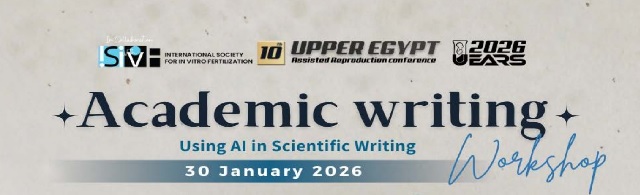
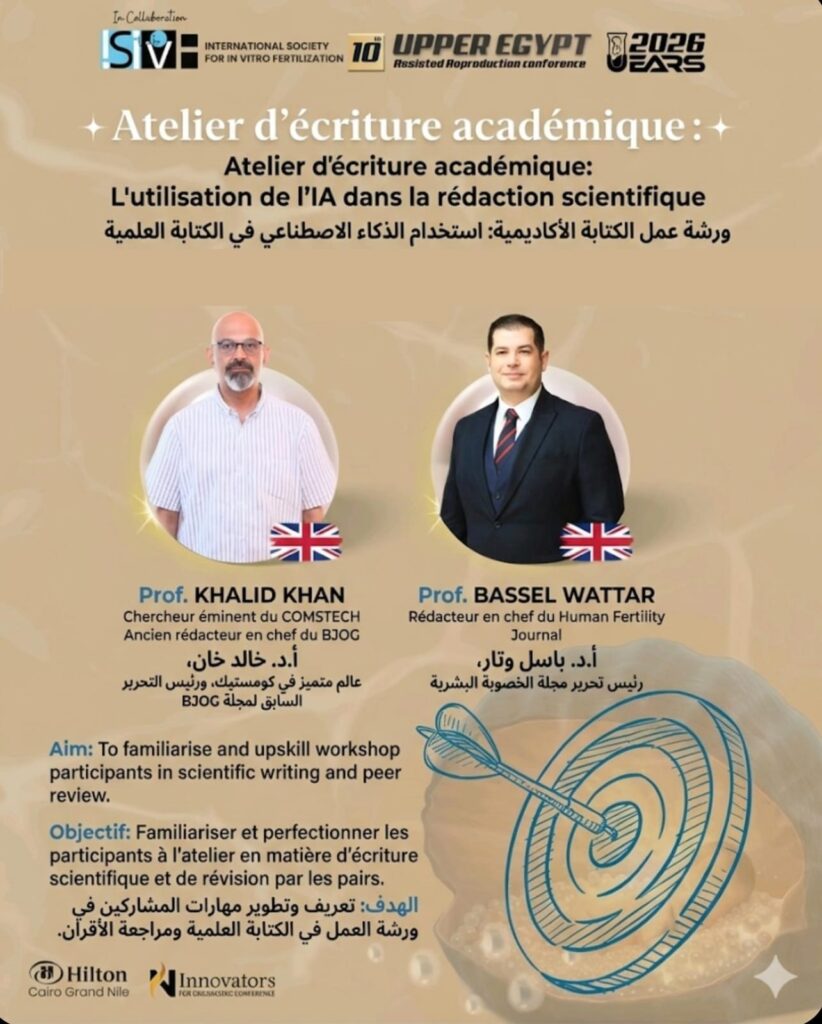
  • Academic Writing Workshop: Using AI in Scientific Writing

    Introduction

    The landscape of scholarly publishing is evolving rapidly with the integration of artificial intelligence. This specialized workshop, titled “Academic Writing: Using AI in Scientific Writing,” is designed to bridge the gap between traditional research methodologies and modern technological tools. By focusing on the practical application of AI in academic research, the program aims to provide researchers with a competitive edge in manuscript preparation and peer review.

    Objectives:

    In an era of information overflow, the ability to produce high-impact, evidence-based research is critical. This workshop is vital for participants who seek to:

    • Navigate Journal Metrics: Understand how to select the right journal and engage with editorial assessments.
    • Master Reporting Guidelines: Develop a structured approach using standards like CONSORT, ACCORD, and PRIOR to ensure research transparency.
    • Improve Publication Success: Learn to think like an editor to avoid common rejection pitfalls and handle complex peer-review revisions.
    • Leverage Technology: Gain insights into the role of AI in academic research to streamline the writing process without compromising ethical standards.

    Resource Persons

    The workshop features distinguished experts with extensive experience in international journal editorship:

    • Prof. Dr. Khalid Khan: COMSTECH Distinguished Scholar and former Chief Editor of BJOG.
    • Prof. Dr. Bassel Wattar: Chief Editor of the Human Fertility Journal.

    Registration:
    For virtual participation, please register at: https://us06web.zoom.us/meeting/register/MR1ZPZ0bQ_q1QJwrXORCGA

    For any queries, please email at workshops@comstech.org

  • International Conference on Health“Transforming GlobalHealth: Tackling Neglected Diseases Through Training and Research”

    Date: February 17-19, 2025

    Venue: Rabat, Morocco

    Program: Click Here

    Introduction:

    The global health landscape demands innovative approaches to address neglected diseases, which continue to disproportionately affect millions in underprivileged regions. At COMSTECH, we are
    committed to empowering nations through collaborative research, capacity building, and strategic interventions. This three-day conference and training workshop (February 17-19, 2025) will bring together leading scientists, healthcare professionals, policy-makers, and young researchers to:

    1. Foster collaboration by sharing the latest advancements and best practices in the prevention, diagnosis, and treatment of neglected diseases.
    2. Equip participants with cutting-edge research methodologies and practical tools for addressing health inequities.
    3. Build networks that enable sustained partnerships to tackle global health challenges effectively.
      Through panel discussions, hands-on training sessions, and expert keynotes, the event aims to serve as a catalyst for transformative change in global health. Together, we can chart a path toward eradicating neglected diseases and ensuring equitable access to health for all.

    Background:

    Neglected Tropical Diseases (NTDs) are a group of parasitic, bacterial, and viral infections that disproportionately affect impoverished and marginalized populations, especially in tropical and subtropical regions. These diseases are often overlooked in global health priorities, yet they have profound social and economic consequences. NTDs (Neglected Tropical Diseases) are a major health and economic burden in the COMSTECH member states. In the context of South Asia and the Middle East and North Africa (MENA) regions, addressing NTDs is critically important due to their widespread impact on health, productivity, and socioeconomic development. The South Asia and MENA region particularly is characterized by vulnerable, creating conditions ripe for NTDs due to overcrowded refugee camps, poor sanitation, and inadequate healthcare infrastructure. Diseases such as leishmaniasis (cutaneous and visceral), schistosomiasis, and trachoma are prevalent in parts of the region, particularly in areas with
    limited access to clean water and healthcare services. The arid climate, coupled with water scarcity and urban slums, increases vulnerability to diseases such as leishmaniasis and dengue. Both
    regions struggle with underfunded healthcare systems, making it difficult to provide widespread diagnosis, treatment, and preventive care. The control and elimination of NTDs require a
    scale-up and integration of global mass treatment programmes,along with new technologies and drugs to diagnose and treat these diseases. There is a need to raise public awareness, primary health care, vector control, effective use of current treatments and development of new technologies and drugs.

    Partners:

    A Global Network for Neglected Tropical Diseases (NTD), UK (https://ntd-network.org/ ), COMSTECH, ICESCO, & Centre de Virologie de Maladies Infectieuses et Tropicales CVMIT.

    Suggested No. of participants for this training session:

    50 Participants (25 international participants, 25 local participants). Participants from North Africa (Morocco, Tunisia,Algeria, and Libya and other COMSTECH member states) will be invited.

    Expected outcomes:

    • Young scientists will be trained on recent advances in NTD diseases.
    • Researchers from MENA region and other COMSTECH member states will interact with each other in the training.
    • Multinational interactions will lead to the development of international collaborations, research possibilities and publications.

    Registration Link:

    Click here for registration.

    Zoom:

    https://us02web.zoom.us/webinar/register/WN_kG1dtCfgR0So_WfZp6eTMg
    https://icesco-accelerator.org/cansat/

    Contact Information: 

    Address: COMSTECH Secretariat, 33-Constitution Avenue, G-5/2, Islamabad 
    Phone No. : 92 51 9220681-3
    Fax : 92 51 9211115, 9220265, 9205264
    Email: Khazima@comstech.org

  • COMSTECH Workshop on Blue Biotechnology for Health and Environment

    Deadline for Application: January 15th, 2026
    Mode: Hybrid (Physical + Online)
    Dates: 20 January, 2026
    Venue: COMSTECH Secretariat, Islamabad, Pakistan

    Flyer: Click Here

    Registration Link: Click Here

    Blue biotechnology harnesses marine bioresources for innovative solutions in health, medicine, and environmental sustainability. With oceans representing a vast and largely untapped reservoir of biological diversity, marine-derived compounds offer significant potential for pharmaceutical development, environmental remediation, and sustainable aquaculture.

    This workshop aims to highlight recent advances in blue biotechnology, focusing on marine bioactive compounds, sustainable utilization of marine resources, and their role in addressing pressing public health and environmental challenges. By bringing together leading international and national experts, the workshop will provide a platform for knowledge exchange, capacity building, and fostering collaborations among academia, industry, and policymakers, particularly within OIC Member States.

    Objectives

    The workshop aims to:

    1. Identify marine bioresources with applications in health, medicine, and environmental management.
    2. Promote research and innovation in marine-derived bioactive compounds and their commercialization.
    3. Facilitate knowledge sharing on sustainable aquaculture and marine conservation practices.
    4. Raise awareness about the role of blue biotechnology in addressing environmental and public health challenges.
    5. Encourage collaborations among scientists, industry stakeholders, and policymakers for sustainable blue biotechnology initiatives.

    Target Audience

    The workshop is intended for:

    • Researchers and scientists
    • Faculty members and professionals
    • PhD scholars
    • BS and Master’s students in:
      • Biotechnology and Molecular Biology
    • Professionals from analytical, industrial, and applied research laboratories

    Participants from OIC Member States are particularly encouraged to apply.

    Profile of Speakers:

    Dr. Stéphanie BORDENAVE-JUCHEREAU
    Director of the Biotechnology Teaching Department and
    Director of the Biotechnology Master
    La Rochelle University, France

    Dr. Stéphanie BORDENAVE-JUCHEREAU, BIOTECHNOLOGIST at La Rochelle University. Director of the Biotechnology Teaching Department and Director of the Biotechnology Master. Biochemist in UMR CNRS-7266 LIENSs BCBS team (Biochemistry and Chemistry of Bioresources for Health applications)

    She holds a Ph. D in Biochemistry, University of La Rochelle since 2000 and « Habilitation à Diriger des Recherche’s » University of La Rochelle entitled “Upgrading of protein through the production of crypt ides extracted from co-and by product generated from Agri-Resources after enzymatic hydrolysis” since 2009. As research projects, she is involved in demonstration of various biological activities interesting human health (metabolic syndrome pathologies: hypertension, diabetes and obesity) and biotechnological upgrade of aquaculture wastes. She is actually working on new methods of actives protection by copolymerization of vegetal hydrocolloids.

    Coordinator of the EU project financed by the “Implementation of the European Maritime and Fisheries Fund Work Program 2016 Action 1.2.1.2 Blue Careers in Europe, A Blue Biotechnology Master for a Blue Career, Proposal N°EASME/EMFF/2016/1.2.1.201/SI2.749359) 2017-2020. Partner of MarENet project that aims to strengthen cooperation between maritime business and academia to enhance the visibility of training and professional opportunities in the Blue Economy sector in Europe “. November 2019 October 2021. EASME/EMFF-2018-1.2.1.7- Blue Careers in Europe. La Rochelle University leader of the Joint Master Program in Marine Biotechnology, selected by the Erasmus+ programme Erasmus Mundus Joint Masters (2022-2027, Project No. 101050597 – JMPMB). This joint Masters programme in Marine Biotechnology is an integrated multidisciplinary programme offered within the framework of one of the first

    transnational European universities: EU-CONEXUS.

    Dr Gary Caldwell
    Senior Lecturer in Applied Marine Biology
    School of Natural and Environmental Sciences Newcastle
    University, UK

    Dr Gary Caldwell is a Senior Lecturer in Applied Marine Biology at Newcastle University and Chair of the Board of Studies for Biology and Marine Science undergraduate programs. He holds a First Class BSc (Hons) from the University of Wales, Bangor, and a PhD from Newcastle University. With over 20 years of academic and research experience, he has held positions including Marine Biology Teaching Fellow, Research Associate, and NSERC Postdoctoral Fellow at the University of Calgary and Environment Canada. His research spans algae biotechnology, chemical ecology, and ecotoxicology. He develops micro- and macroalgae for biofuels, bioactive products, CO₂ capture, and wastewater remediation, often through innovative living bio composite systems in collaboration with industry partners. He also studies chemically mediated interactions in aquatic ecosystems and organismal responses to pollutants and marine venoms under multiple stressors. Dr Caldwell has supervised numerous PhD and MPhil students and contributes to the scientific community as an Associate Editor and Editorial Board member of leading journals in marine and algal sciences.

    Dr. Muhammad Ali
    Associate Professor
    Department of Biotechnology,
    Quaid-i-Azam University (QAU), Islamabad, Pakistan.

    Dr. Muhammad Ali, PhD is an Associate Professor in the Department of Biotechnology at Quaid-i-Azam University (QAU), Islamabad. He is an elected member of the Pakistan Academy of Sciences and serves as Co-Chapter Head of the Pakistan Biological Safety Association (PBSA-ICT).

    Dr. Ali leads the Infectious Diseases and Molecular Pathology Laboratory (IDMPL), managing a BSL-II facility focused on the detection and characterization of emerging pathogens. His research integrates infectious diseases, molecular pathology, immunoinformatic, virology, epidemiology, and antimicrobial discovery to address key public health challenges.

    He earned his PhD in Molecular and Cell Biology/Biotechnology from the University of Roma Tre, Italy, and has published over 100 peer-reviewed articles with 34,499+  citations. His work appears in leading journals, including The Lancet Global Health and Cytokine & Growth Factor Reviews.

    Dr. Ali has secured five competitive research grants, holds one granted patent, and received the Highly-Cited Scientist Award (QAU, 2022–23). He currently serves as Deputy Director (Coordination) at the Directorate of Student Affairs, QAU, and has supervised numerous M. Phil and PhD students.

  • COMSTECH –Webinar ‘Why GDP is the world’s most powerful formula and why it must now change’

    Delivered by: Mr. Ehsan Masood

    Senior Editor, Journal Nature & Knight Science Journalism Fellow

    Date: 23rd January 2025

    Time: 03:00 – Pakistan Standard Time

    Flyer Attached: Click Here

    Abstract:

    GDP or Gross Domestic Product is regarded as a nation’s main economic health-check. It is also an influential ranking of prosperity. Every quarter, the announcement is keenly watched by governments, financial markets and media. But GDP is also an unforgiving metric, and is not helpful for low and middle income countries. It rewards environmental degradation, prevents countries from spending on important policy priorities, and is associated with widening inequality. In this talk, science writer Ehsan Masood will describe how GDP became what he calls the ‘world’s most powerful formula’ and why it needs to be reformed.

    Target Audience:

    The webinar is open to students, researchers, young scientists, and academicians from the OIC member states and other countries.

    Profile of the Speaker:

    Ehsan Masood is a science journalist and the author of GDP: The World’s Most Powerful Formula and Why it Must Now Change (Icon Books, 2021).Heis a senior editor at the journal Nature where he has responsibility for the journal’s editorials and coverage of science news from countries in Africa and the Middle East. Ehsan was a Knight Science Journalism Fellow at the Massachusetts Institute of Technology, and previously taught international science and innovation policy at Imperial College London from 2007 to 2017. His other books, include Science and Islam: A History.

    Program:

    03:00 – 03:02 PM – Welcome of Speakers and Participants

    03:02 – 03:07 – Welcome Remarks and Introduction of speaker by H.E. Prof. Dr. M. Iqbal Choudhary, Coordinator General COMSTECH

    03:07 – 03:40 – Lecture of Invited Speaker, Mr. Ehsan Masood, Senior Editor, Journal Nature & Knight Science Journalism Fellow

    03:40 –  03:47 – Q/ Ans Session

    03:47 – 03:53 – Introduction and Overview of COMSTECH work on Science Communication and Diplomacy

    03:53 – 04:00 – Closing Remarks of H.E. Prof. Dr. M. Iqbal Choudhary, Coordinator General COMSTECH

    Register at : Click Here

    Zoom link for participation will be shared selected participants.

    Address: COMSTECH Secretariat, 33-Constitution Avenue, G-5/2, Islamabad 
    Phone No. : 92 51 9220681-3
    Email: Khazima@comstech.org

  • First Meeting of Networking of Water Centers of Excellence in OIC Member States

    Dates: February 24–25, 2025
    Venue: COMSTECH Secretariat, Islamabad, Pakistan

    Organized by:

    • OIC – COMSTECH
    • OIC – General Secretariat

    Technical partners:

    • The Statistical, Economic and Social Research and Training Centre for Islamic Countries (SESRIC)
    • Inter-Islamic Network on Water Resources Development and Management (INWRDAM)
    • Hisaar Foundation (HF)
    • Panjwani-Hisaar Water Institute (PHWI)

    Salient Points

    Introduction

    Water is crucial for life and development, and better management of water resources is a major challenge confronting the countries that comprise the Organization of Islamic Cooperation (OIC). Though many OIC Member States have made progress in water and sanitation, they still face challenges in meeting their Sustainable Development Goal (SGD) 6 commitment (“Ensure availability and sustainable management of water and sanitation for all”) by 2030 due to diverse landscapes, conflicts, widespread poverty, hunger, transboundary issues, and climate impacts exacerbating challenges with each passing year.

    The OIC Water Vision Implementation Plan provides a framework for addressing these issues through collaboration, knowledge-sharing, and joint initiatives. The first objective was achieved before the 4th Islamic Conference of Ministers Responsible for Water held in October 2018. The second objective will be taken forward in the First Meeting of Networking of Water Centers of Excellence in OIC Member States” to be held in Islamabad, Pakistan from 24 and 25th February 2025,  


    Goals and Objectives of The Meeting

    Main Goal:

    • Establish a collaborative platform for water institutions across OIC Member States, fostering knowledge exchange and coordinated action.

    Key Objectives:

    1. Facilitate Knowledge Sharing: Exchange information on policies, technologies, and strategies.
    2. Map Institutional Architecture: Build networks of water-related institutions across OIC countries.
    3. Promote Research and Development: Support water use, conservation, and sustainable practices innovations.
    4. Enhance Capacity Building: Provide training, workshops, and technical expertise.
    5. Support Policy Coordination: Foster alignment and collaboration on water-related policies.
    6. Develop Action Plans: Encourage regional and national strategies with government and multilateral support.

    Meeting Composition

    • Participants: Water research institutions, training centers, scientific organizations, and experts from OIC Member States.

    Logistics:

    • COMSTECH will provide local hospitality (boarding, lodging, airport pickup and drop off) to the selected participants.

    Request for Participation

    • Interested water centers of Excellence/ Research Institutions of OIC member states are requested to write to undersign with an official letter requesting for participation in this closed group meeting. Applications of interest will be entertained till 25th January, 2025

    H.E. Prof. Dr. M. Iqbal Choudhary
    Mustafa (PBUH) Prize Laureate, H.I., S.I., T.I.,
    Coordinator General COMSTECH

    cg@comstech.org

    with copy to comstech@comstech.org  ;  khazima@comstech.org

  • COMSTECH Webinar on “Foundations of SPSS for Master’s Students and Early-Career Researchers”

    Date: 12th-13th January, 2026 at 10:00 am-12:00 pm
    Organized by: OIC-COMSTECH

    Flyer: Click Here

    Background

    Many graduate students and emerging researchers face challenges in designing research questionnaires, coding variables, managing data, and selecting appropriate statistical tests. These challenges often weaken the quality of postgraduate theses and scientific publications.

    IBM SPSS Statistics is one of the most widely used statistical programs in health, nutrition, education, social sciences, and behavioral research.

    Purpose of the Workshop

    The purpose of this 2-day workshop is to provide participants with a solid foundation in SPSS, covering essential skills for preparing datasets, performing basic statistical analyses, and interpreting results accurately. The workshop focuses on practical application, enabling participants to apply these skills directly to their research projects and improve the quality of their theses and publications.

    Training Content

    The workshop will cover the following main modules:

    A. Research & Data Foundations:

    • Understanding types of variables (IV/DV, categorical vs continuous).
    • Levels of measurement and how they determine statistical tests.

    B. SPSS Data Management

    • Introduction to SPSS interface (Variable View & Data View).
    • Creating variables, labels, and correct coding.
    • Data cleaning: missing values, detection of errors.

    C. Descriptive Statistics & Normality

    • Frequencies, means, medians, standard deviation.
    • Normality testing (Shapiro–Wilk, Q-Q plots).

    D. Inferential Statistics

    • Chi-square
    • Correlation (Pearson& Spearman). Based on time

    Training Objectives

    By the end of the workshop, participants will be able to:

    I.  Correctly define variables and understand their levels of measurement to prepare research datasets for analysis.

    II.  Enter, code, and clean data in SPSS, including handling missing values and basic data checking.

    III.  Perform essential statistical analyses in SPSS (descriptive statistics and one inferential test such as Chi-square or correlation).

    IV.  Interpret SPSS output and write the results clearly in an appropriate academic format.

    Target Population

    The workshop is designed for:

    • Master’s students in nutrition, health sciences, psychology, education, public health, and social sciences who are beginning quantitative research.
    • Research assistants and early-career researcherswho need practical SPSS skills for data management and analysis.

    Duration

    Two days (2 hours per day), total of 3-4 hours.

    Expected Outcomes

    Participants will be able to:

    • Build clean datasets in SPSS with correct coding.
    • Perform basic descriptive statistics and one inferential test.
    • Interpret SPSS output correctly.
    • Use these skills to improve research projects or theses.

    Resource Person: Salma Abu-Saleh, M.Sc. in Nutrition Science

    Trainer – Research Methods & Statistical Analysis

    Registration Details

    • Deadline for Registration: 08th January
    • Registration Fee: None
    • Participation Mode: Virtual

    Registration Link: Click Here

    Zoom Link: Will be shared with virtual participants via email.

    Contact Person:   

    Ms. Jabbina Fawwad
    Program Officer
    Email:  pojabbina@comstech.org

  • International Conference on AI & the Future of Work: Digital Nations in the Next Decade

    Co-organized by Pathfinder CITADEL and OIC-COMSTECH
    Organized under the COMSTECH Center for Training in AI & Emerging Technologies and CITADEL Future Horizons 2026 Programme

    Venue & Date: Thursday, 8 January 2026, OIC-COMSTECH Secretariat, Islamabad

    Introduction

    The International Conference on “AI & the Future of Work: Digital Nations in the Next Decade” will convene policymakers, industry leaders, technologists, and academic experts to explore how artificial intelligence is reshaping economies, governance models, and workforce paradigms across the developing and emerging world

    As nations transition toward digital economies, AI is becoming a foundational driver of productivity, employability, financial systems, and public infrastructure. This conference provides a strategic platform to examine future-ready policy frameworks, sovereign AI capabilities, digital public infrastructure, and the transformation of workforces in the coming decade

    OIC-COMSTECH plays a pivotal role in advancing AI capacity building, policy dialogue, and cooperation among OIC Member States. Through this conference, COMSTECH reinforces its commitment to fostering indigenous innovation, strengthening human capital, and supporting evidence-based policymaking in AI and emerging technologies

    Thematic areas:

    • AI & the Future of Work
    • Digital Nations & Digital Sovereignty: Sovereign AI Infrastructure
    • AI Policy, Governance & Regulation
    • AI, FinTech & Future Finance
    • Digital Public Infrastructure & Cyber Resilience
    • Future Foresight & Emerging Technologies
    • Innovation Economy & Digital Exports

    Registration:

    For virtual Participation, please register at: Click Here

    The conference is open for virtual participation, enabling international and national experts, researchers, and stakeholders to join the sessions online and contribute to global dialogue on AI-driven digital transformation.

    For any queries, please contact at: workshops@comstech.org

    Program Details: Click Here

  • Molecular and Metabolomic Tools for Veterinary Disease Detection under the One Health Approach

    Background
    The increasing emergence of zoonotic diseases has highlighted the urgent need for advanced, rapid, and precise diagnostic tools that support the One Health agenda. This webinar focuses on the integration of molecular and metabolomic technologies to strengthen veterinary disease surveillance and early detection systems.

    Molecular diagnostics sequencing, and genomic assays play a pivotal role in identifying pathogens with high accuracy. Complementing these, metabolomic profiling provides powerful insights into host pathogen interactions, biomarkers of infection, and metabolic alterations associated with disease progression.

    Through expert lectures from leading microbiology and epidemiology professionals, participants will gain an understanding of how these technologies enhance detection capabilities, improve outbreak response, and support evidence-based interventions in both animal and human health sectors. The session will also address interdisciplinary collaboration, data integration challenges, and the role of One Health in preventing cross-species transmission of infectious diseases.

    This webinar aims to equip researchers, veterinarians, public health officers, and students with updated knowledge on modern diagnostic tools that contribute to a healthier and more resilient ecosystem.

    Speaker Profile:

    Dr. Marzia Rahman
    Department of Microbiology and Hygiene
    Faculty of Veterinary Science
    Bangladesh Agricultural University (BAU)

    Dr. Marzia Rahman is a professor in the Department of Microbiology and Hygiene, Faculty of Veterinary Science, and a distinguished researcher contributing significantly to microbiology and veterinary health. Her research expertise includes bacteriophage therapy, antimicrobial resistance (AMR), food safety, and microbial risk reduction. She has also contributed to veterinary vaccine development, including vaccines against Egg Drop Syndrome (EDS), Avi bacterium paragallinarum, Newcastle Disease (ND), and Avian Influenza (AI).

    She holds a PhD in Biomedical Science from Kyungpook National University, South Korea (2012), and both an MS in Microbiology (2004) and DVM (2001) from Bangladesh Agricultural University. With 82 scientific publications, Dr. Rahman maintains a strong research presence and continues to advance knowledge in animal health, inspiring students, researchers, and the wider scientific community.

    Dr. Wajid Ameen Mirza
    Faculty of Public Health (Epidemiology & Biostatistics)
    Health Services Academy (HSA), Islamabad


    Dr. Wajid Ameen Mirza is a public health professional and academician specializing in Epidemiology and Biostatistics. He holds a PhD in Epidemiology & Biostatistics from Zhengzhou University (China), an MSPH from the Health Services Academy (HSA), Islamabad, and a DVM from the University of Agriculture, Faisalabad.

    He serves as an Assistant Professor at HSA, where he teaches Epidemiology and Biostatistics to MSPH and PhD students, supervises research projects, and contributes to academic development and student capacity building. He also supports awareness initiatives on HIV/AIDS and regularly presents at national and international conferences. Dr. Mirza is a subject expert for HSA’s new Postgraduate Diploma in One Health and Pandemic Preparedness. Dr. Mirza has worked in public health research, IPC programming, and field coordination, including with Jhpiego (Johns Hopkins affiliate), where he contributed to multi-province IPC programs and WHO IPCAF assessments. He also has clinical experience from urgent care settings in the United States.

    His research focuses on infectious diseases, vitamin D deficiency, molecular epidemiology, and zoonotic diseases, with publications in Frontiers in Public Health, FEMS Microbiology Letters, and other international journals.

    Kindly follow the link for Registration: Click Here

    Contact Person:   

    Md. Rakibul Hasan
    Junior Program Manager
    Email:  jpmrakib@comstech.org

Back to top button